Stronger rupee should make life less expensive in India
The rupee’s recovery has eased some pressure on India’s economy. It has also left the Reserve Bank of India facing much the same problem: how to contain sharp currency falls while expensive oil and uncertain foreign investment keep demand for dollars high. For a family paying university fees abroad, a stronger rupee can mean a smaller bill. For someone earning overseas and sending money to India,…
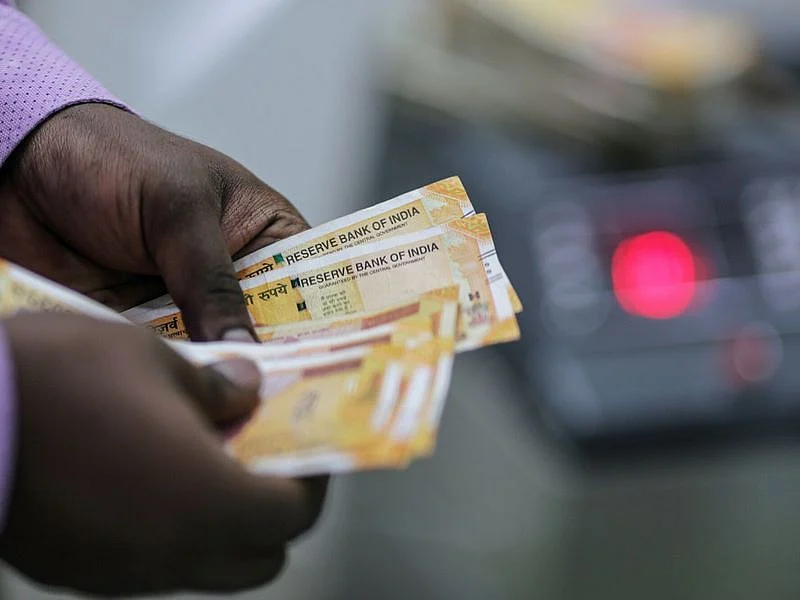
The Indian rupee has strengthened, reducing costs for many families. However, this comes with its own challenges. When the rupee strengthens, families paying overseas expenses find their bills cheaper. For instance, a $10,000 tuition fee that used to cost Rs970,000 at 97 rupees per dollar now costs Rs940,000 at 94 rupees per dollar - saving Rs30,000.
But if someone is sending money back home, they get fewer rupees for the same dollar amount, which can be a disadvantage. The main issue lies in oil prices. India spends about $10 billion monthly on crude imports, which becomes more expensive when oil prices rise and the rupee weakens. The Reserve Bank of India has tried to support the rupee by supplying dollars separately to state-run oil companies.
However, oil costs still need to be paid each month. The RBI has raised interest rates to control inflation, but this makes borrowing more expensive. This leaves families with the challenge of balancing everyday expenses and loan repayments. A stronger rupee provides some relief, but its benefits are most noticeable when managing overall household expenses.
Written by urgent.news from Gulf News's reporting — not their text. Machine-written — may contain errors; check the original before relying on it.