Städtetrip im Norden: Von Sturm und Storm: Literarische Reise ins windige Husum
Als grau empfand der Dichter Theodor Storm seine Heimatstadt. Vor Ort erfährt man, wie er lebte, was ihn inspirierte. Sein „Knecht Ruprecht“ aber, bekanntes Weihnachtsgedicht, entstand woanders.
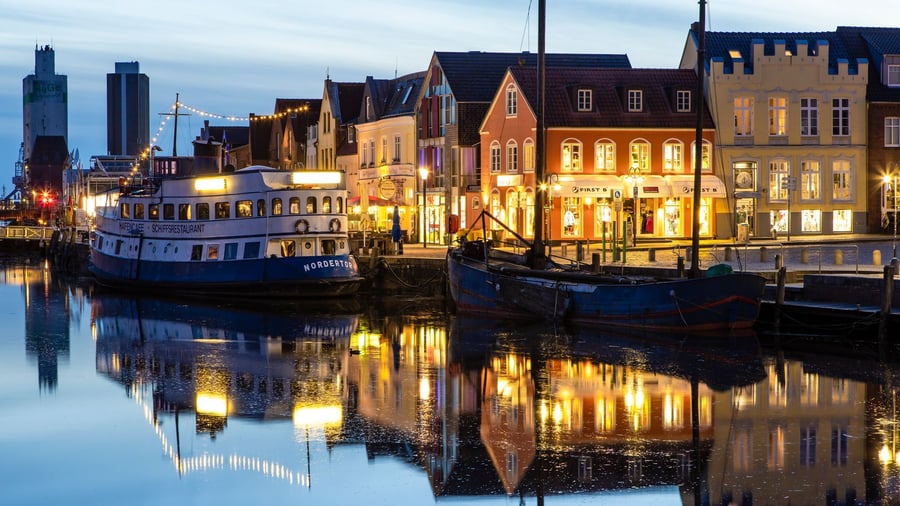
In Husum, a city located in the northern part of Germany, literature and history intertwine on a walking tour. Near Theodor Storm's birthplace at Markt 9, known as the Schlossluke kiosk, locals and visitors alike gather to discuss the city's connection to the renowned writer. Theodor Storm, who wrote under the name Hans Theodor Woldsen Storm, was born in Husum on September 14, 1817.
He spent time in Potsdam and Heiligenstadt before returning to Husum in 1864, where he worked as an official, land commissioner, and poet. Storm's works, particularly "Der Schimmelreiter," draw heavily from the city's maritime setting and the power of the wind. Today, Husum is famously known as "Die graue Stadt am Meer" (The gray city by the sea), thanks to its frequent strong winds, which average 20 days per year with gusts reaching 62 km/h or more.
A tour guide, Rainer Damschen, leads visitors through Husum's historic center, highlighting its maritime heritage and Storm's influence on the city. The tour includes visits to the Schifffahrtsmuseum Nordfriesland, Theodor-Storm-Museum, and the Theo shopping center, where over 50 independently owned shops can be found. Visitors leave with copies of Storm's works and regional fiction, as well as an appreciation for Husum's unique charm.
Written by urgent.news from Handelsblatt's reporting — not their text. Machine-written — may contain errors; check the original before relying on it.