SPOTLIGHT: El Niño is here — are KwaZulu-Natal clinics ready?
With El Niño conditions expected to bring a hotter, drier summer, Spotlight asks whether the KwaZulu-Natal government is ready to keep health services running and protect vulnerable communities during the extreme weather that may be on the way.
El Niño conditions are expected to bring a hotter, drier summer to KwaZulu-Natal, raising concerns about the readiness of the province's health clinics to protect vulnerable communities during extreme weather. Phumelele Shabalala, a 46-year-old vegetable seller, has experienced the effects of a dry spell in 2024, with streams drying up and her maize crops dying.
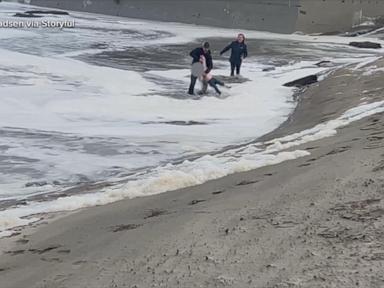
Meanwhile, Nondumiso Nokwanda Sigubudu, a 28-year-old resident, has faced damage to her home from heavy rainfall in October 2025 and again this year, leaving her family unsecured and affecting her children's health. Mobile clinics that visit rural areas like Vimbukhalo once a month for check-ups and chronic medication refills may be unable to reach residents when roads are impassable due to heavy rain, leaving them waiting for another visit or seeking alternative care.
KwaZulu-Natal has a history of droughts and floods, with 85 weather- and climate-related disasters declared between 2007 and 2021. While El Niño is a natural phenomenon, its effects can be amplified by climate change, leading to heatwaves and heavy rainfall that pose health risks for pregnant and postpartum women, young children, older people, and outdoor workers.
Reduced rainfall can also threaten water supplies and livelihoods, making it harder for farming households to maintain crops, livestock, and income.
Written by urgent.news from Daily Maverick's reporting — not their text. Machine-written — may contain errors; check the original before relying on it.