Russia’s multibillion-dollar answer to Elon Musk falls apart in space — forcing a high-stakes gamble to save its orbit
Russia is developing Rassvet-4 after losing two Rassvet-3 satellites and encountering orbital difficulties, threatening its ambitions to challenge Starlink.
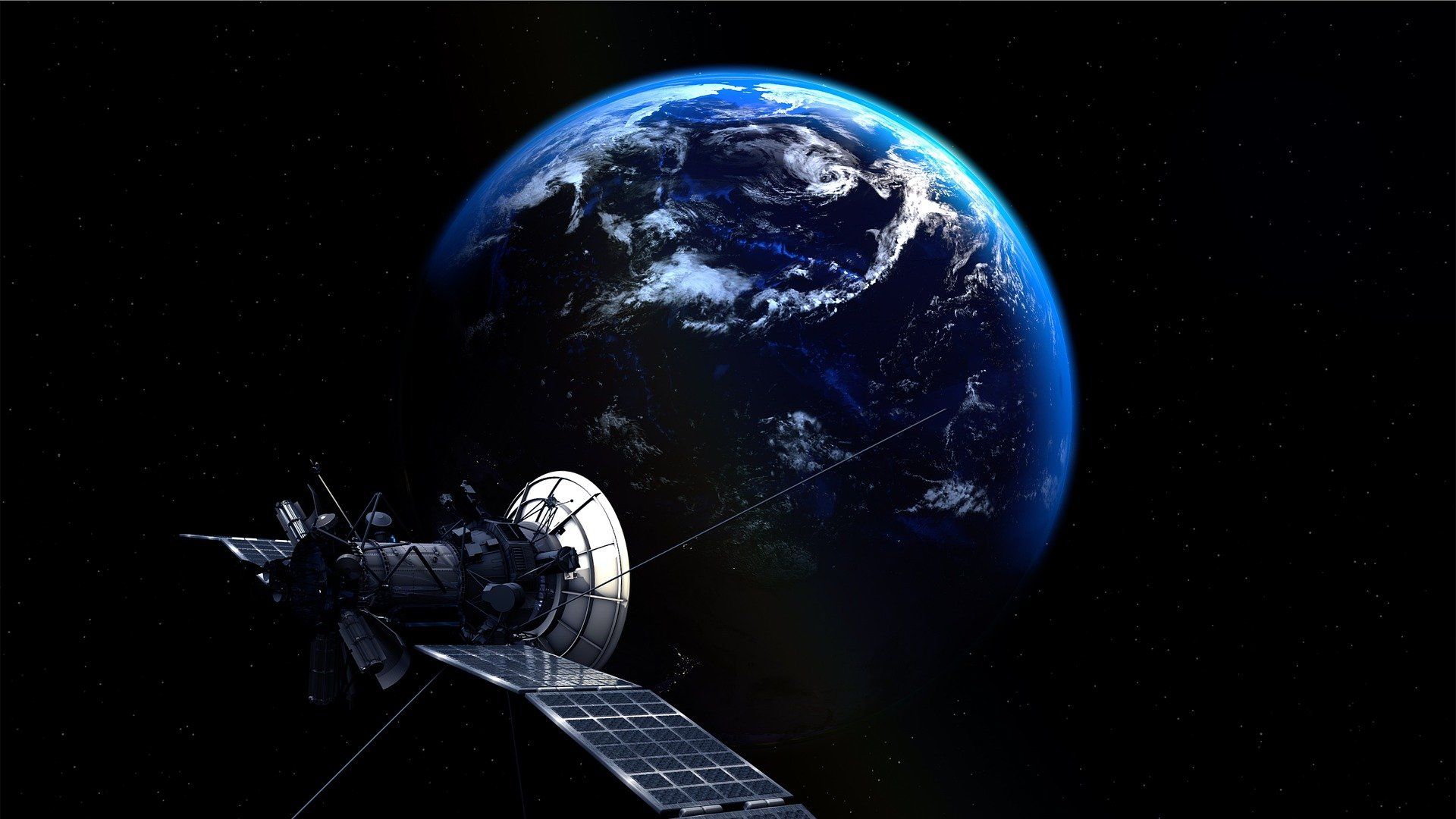
Russia's ambitious attempt to rival Elon Musk's Starlink satellite internet network is facing significant deployment challenges. The country's Starlink competitor, known as Rassvet, has struggled to place its satellites into their intended orbital positions. Moscow is now considering replacing its troubled Rassvet-3 spacecraft with an improved version called Rassvet-4, although many details remain undisclosed.
The Rassvet-3 satellites have encountered difficulties reaching their designated orbital positions. In fact, two launches in March and July 2026 delivered 32 Rassvet-3 satellites into orbit, but both launches experienced deployment issues. Several satellites failed to reach their intended altitude of 800 kilometers, with some reentering Earth's atmosphere. Currently, 30 Rassvet-3 satellites remain in orbit, although 26 have stabilized at a lower altitude of approximately 508 kilometers.
In an apparent effort to resolve these issues, Russia has submitted documentation to the International Telecommunication Union (ITU) regarding a proposed Rassvet-4 network. This future constellation would consist of 374 satellites spread across 17 orbital planes. Each spacecraft in the proposed network would feature 12 antenna beams, including seven transmission beams and five reception beams, for communications operations.
While Russian authorities have not officially announced the development of Rassvet-4, the ITU filing suggests preparations for an upgraded version of the satellite internet project. The filing indicates that Bureau 1440, the company developing Russia's Starlink competitor, has been working on an improved Rassvet-3 version since September. The improved design may incorporate technical changes resulting from the deployment difficulties experienced by the initial Rassvet-3 satellites.
The uncertainty surrounding the Rassvet-4 project adds complexity to Russia's efforts to challenge established satellite internet providers. The ITU documentation provides limited information about the communications equipment of Rassvet-4, including its operating frequencies and antenna beam configuration. Each Rassvet-4 satellite is expected to incorporate 12 antenna beams, with seven transmission beams and five reception beams for communications purposes.
Speculation surrounding the Rassvet-4 project has increased as objects resembling satellite communications terminals have reportedly appeared on Russian military drones. These drones, such as the Molniya-2 unmanned aerial vehicle, have been photographed carrying an unidentified object. While the object's identity remains uncertain, its resemblance to communications hardware has raised questions about potential military applications of the developing network.
Written by urgent.news from TechRadar's reporting — not their text. Machine-written — may contain errors; check the original before relying on it.