Researchers worried by decline in migrating humpback whales off WA
Experts say a decline in migrating humpback whales along Western Australia's coast reflects a trend across the Southern Hemisphere.
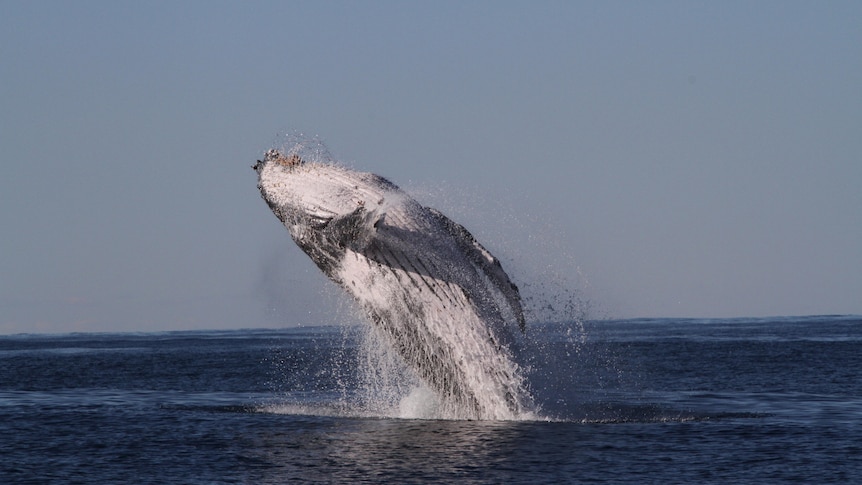
A concerning decline in humpback whale numbers during their migration along Western Australia's coastline has researchers on alert. The trend mirrors a broader drop in whale sightings and a rise in strandings across Southern Hemisphere oceans. A Broome tour operator reports a marked reduction in whale sightings, requiring tours to venture farther offshore to locate the creatures.
Researchers note a 60% decrease in humpback whales migrating from the Southern Ocean to WA's northern waters this year. Observers also documented fewer calves and an increase in strandings and entanglements along the coast. Mothers with calves were notably absent from the southern migration post-birthing off the Kimberley region.
Experts describe the 2023 season as "strange." Dr. Olaf Meynecke, a marine scientist, attributes the situation to the accelerated melting of sea ice, which reduces the whales' time in feeding areas. Simultaneously, lower food availability due to changing krill populations and phytoplankton blooms is exacerbating the issue. Dr. Meynecke observed undernourished mothers with depleted fat reserves, raising concerns about their ability to feed their calves.
Dr. Meynecke also reported a surge in whale entanglements, with 60 incidents recorded across Australia this year, a 20% increase. He worries about the survival rate and the potential for many unreported entanglements. Ongoing research is crucial, as humpback whales often serve as indicators for the health of other whale populations. If humpbacks face challenges, it could signal broader issues for larger whales.
Written by urgent.news from ABC News AU's reporting — not their text. Machine-written — may contain errors; check the original before relying on it.