Red Hat and Nvidia’s OpenShell puts AI agents on a deny-by-default leash
Prompt injection attacks and silent data exfiltration have turned AI agent security from a theoretical worry into an urgent enterprise concern. As agents move from developer laptops into data centers, companies need guardrails that don’t strip away what makes agents useful. Red Hat Inc. and Nvidia Corp. have expanded their partnership to tackle that problem […] The post Red Hat and Nvidia’s…
Prompt injection attacks and silent data exfiltration have turned AI agent security from a theoretical concern into an urgent enterprise worry. As agents transition from developer laptops to data centers, companies require guardrails that preserve agents' utility without compromising security. Red Hat Inc. and Nvidia Corp. have bolstered their collaboration to address this issue through OpenShell, an open-source project that imposes limits on agents' actions.
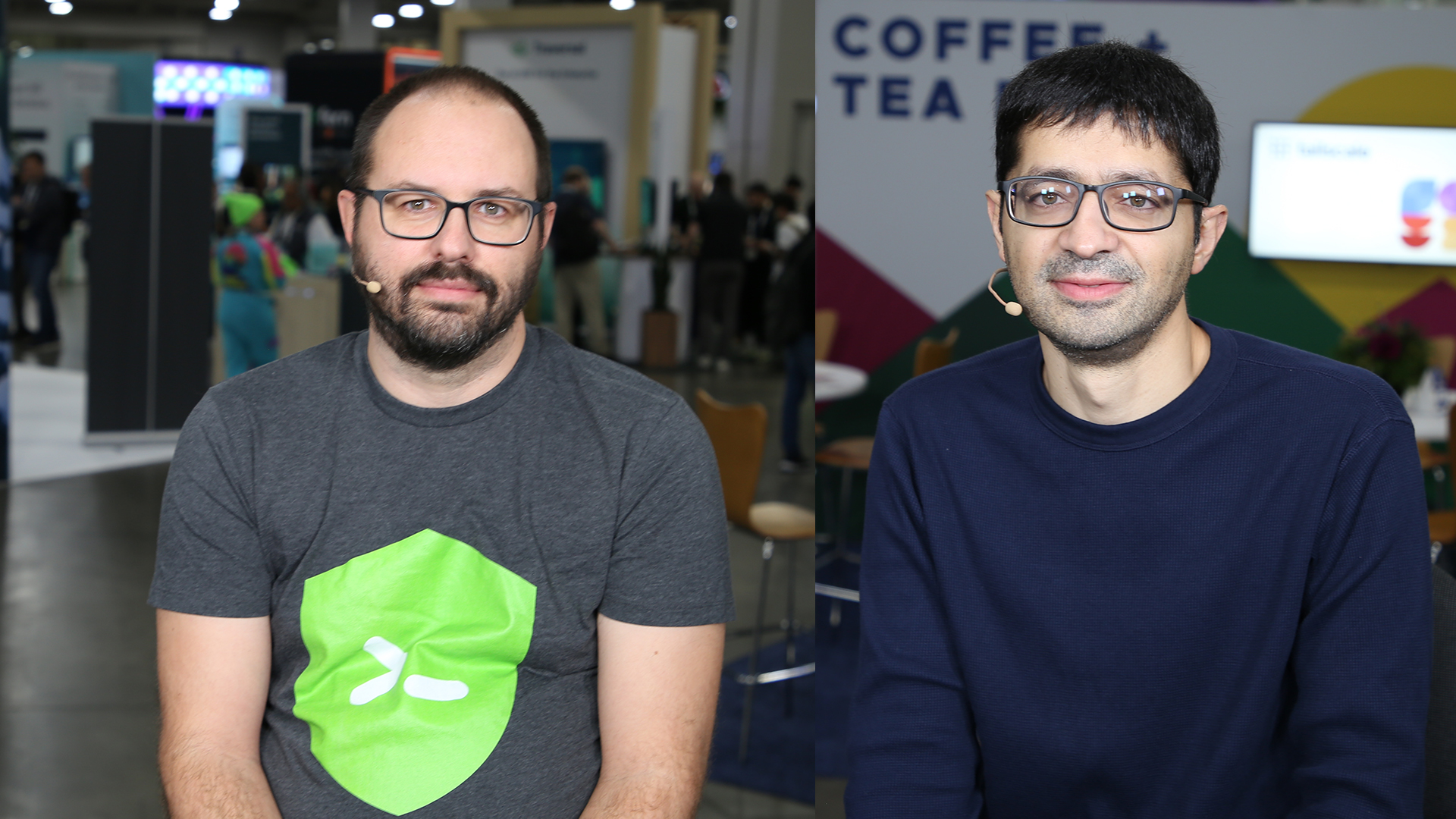
Derek Carr, a senior distinguished engineer at Red Hat, explained that the threat model for agents differs significantly from traditional software. Therefore, the industry needs a shared standard to secure them. Carr highlighted that agents should not have access to secrets, require deny-by-default networking, and benefit from a robust policy framework for tracking agent activities.
Nvidia reached out to Red Hat, recognizing the shared challenge, emphasizing the value of collaborative efforts. During an exclusive broadcast at KubeCon + CloudNativeCon NA, Carr and Mrunal Patel, a distinguished engineer at Red Hat, discussed how OpenShell assists enterprises in deploying AI agents in production with safeguards against prompt injection and data leaks.
Viral projects like OpenClaw demonstrated that agents can execute actions autonomously, generating anxiety about secret leakage and financial mismanagement. Patel explained that early warnings about prompt injection attacks and data exfiltration prompted the need for a solution. OpenShell empowers operators to grant agents access to specific endpoints while maintaining hidden credentials and endpoint-scoped permissions.
A policy advisor questions agents' justifications for blocked actions in plain language, while operators can update policies as workloads evolve. OpenShell is now governed openly within the Cloud Native Computing Foundation, following Nvidia's contribution. Red Hat aims to integrate OpenShell into OpenShift seamlessly, ensuring that prompt injection defenses are standard in the platform.
Carr noted that many companies struggle to deploy even a single agent in production, let alone thousands or millions. By providing a blueprint for enterprises, OpenShell helps them progress from conceptualizing agents to safely executing one, ten, or twenty in production.
Written by urgent.news from SiliconANGLE's reporting — not their text. Machine-written — may contain errors; check the original before relying on it.