Pakistan's solar transition gains momentum, says PM Shehbaz at COP31
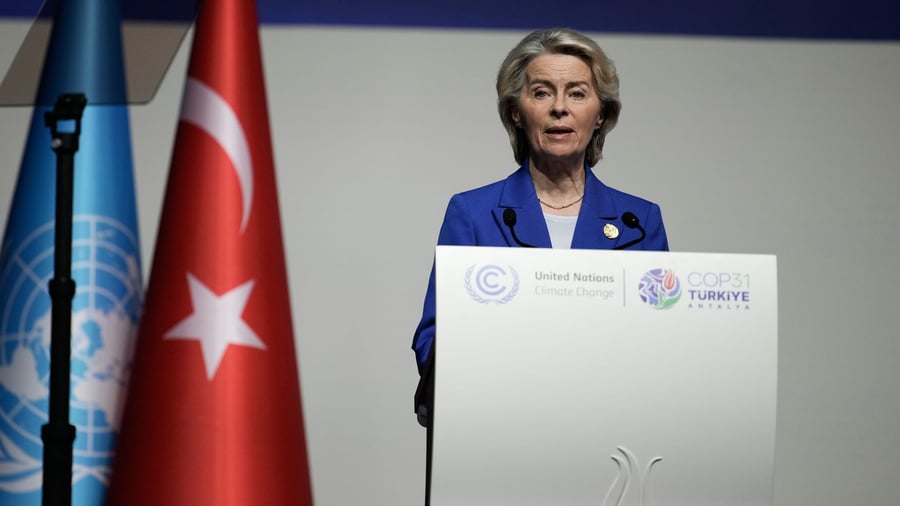
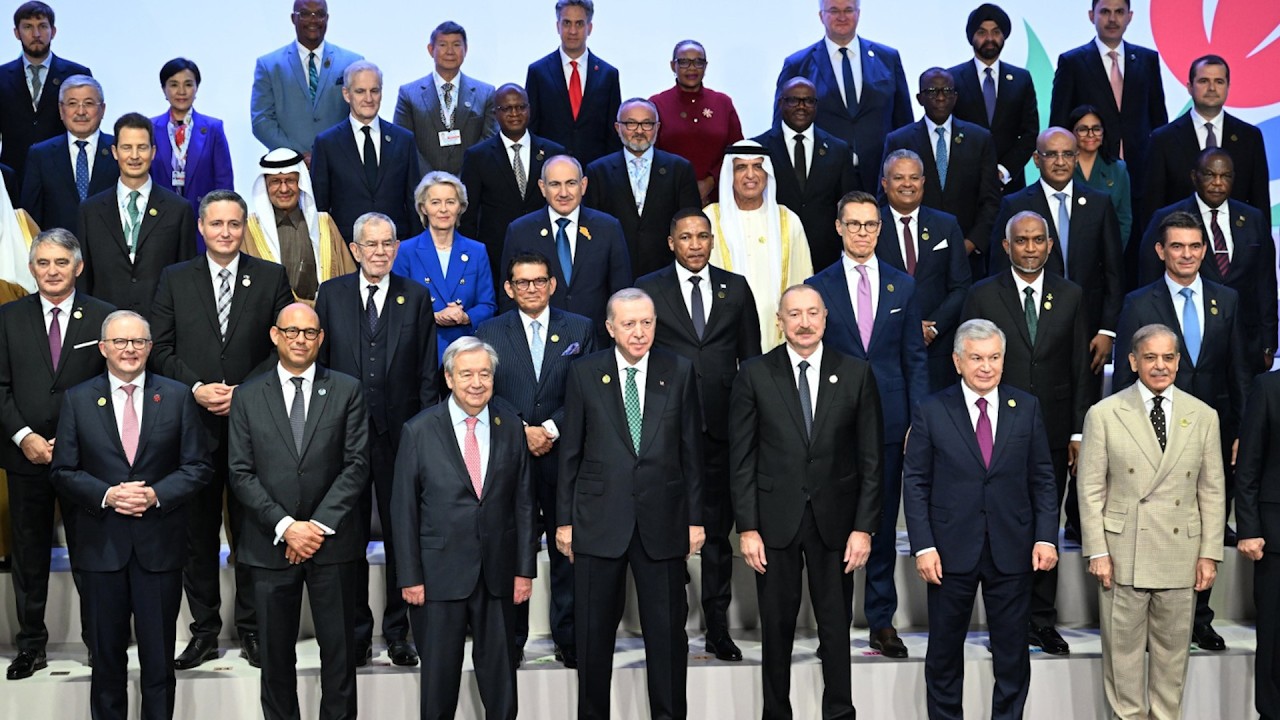
Prime Minister Shehbaz Sharif has highlighted Pakistan’s rapid solarisation, saying the country added nearly 22,000 megawatts (MW) of rooftop solar capacity in just two years as households and businesses increasingly turned to cheaper and cleaner energy. Addressing a high-level dialogue on clean energy transition at the 31st United Nations Climate Change Conference (COP31) in Antalya, Türkiye, on…
Pakistan's home appliance sector is evolving due to rising energy expenses, shifting natural gas supplies and changing household demands. Consumers are no longer solely considering initial costs when purchasing refrigerators, water heaters or cooking appliances. They now factor in ongoing operational costs, ability to cope with unpredictable power supply and durability for everyday use.
Pakistan's market, with over 240 million people and 38.3 million households, offers a significant opportunity for appliance manufacturers. However, households’ energy usage patterns are changing, necessitating manufacturers to rethink their production and processes. While seasonal demand for cooling appliances and heating devices remains relevant, households now seek appliances that save time for busy families, such as those assisting with laundry, food preparation and other domestic tasks.
The fluctuating energy landscape in Pakistan significantly impacts appliance choices. Traditionally, households relied on natural gas, but as availability shifts and utility costs increase, there’s a growing inclination towards electric and dual-fuel alternatives. As a result, power consumption, voltage tolerance and operating costs are becoming crucial factors for buyers.
Features like watt-controlled water heaters, infrared cooking and digital temperature regulation can help manage energy use. For manufacturers, this presents a challenge. Their products must adapt to local conditions while staying affordable in an increasingly cost-conscious market. The evolution of NG Appliances exemplifies how a domestic manufacturer is navigating these changes.
Founded in 1952, the business initially specialized in gas stoves and water heaters under the Nasgas brand. Post the passing of its founder in 2015, the company broadened its focus under the NG identity. Under the leadership of Malik Ahmad Tahir and Malik Khawar Tahir, NG Appliances expanded its manufacturing capabilities and product line in response to the evolving market.
These enhancements included investments in advanced manufacturing technologies and a stronger focus on product research and development, leading to a diverse portfolio of dual-fuel and instant electric geysers, room air coolers, washing machines, and kitchen appliances with touch controls and variable-power infrared cooking. Local manufacturers must contend with the challenge of developing appliances suitable for Pakistan's unique conditions, including voltage fluctuations, harsh climates, and variable energy availability.
At the same time, consumers must balance the upfront purchase price with long-term operating costs, durability, and after-sales service. As Pakistan's appliance market evolves, manufacturers' success will increasingly depend on their ability to combine local market knowledge with engineering prowess, product development, and consistent quality.
Adapting to the changing domestic energy equation is no longer a choice but a necessity for appliance manufacturers to remain relevant in the homes they've served for generations.
Written by urgent.news from Business Recorder's reporting — not their text. Machine-written — may contain errors; check the original before relying on it.
This story
This is one outlet's version. Read the fullest account.