On this day in space! Nov. 11, 1966: NASA launches Gemini 12 mission with astronaut icons Buzz Aldrin and Jim Lovell aboard
On Nov. 11, 1966, the Gemini 12 mission launched an astronaut crew into orbit and set the stage for NASA's Apollo program. Here's why it mattered.
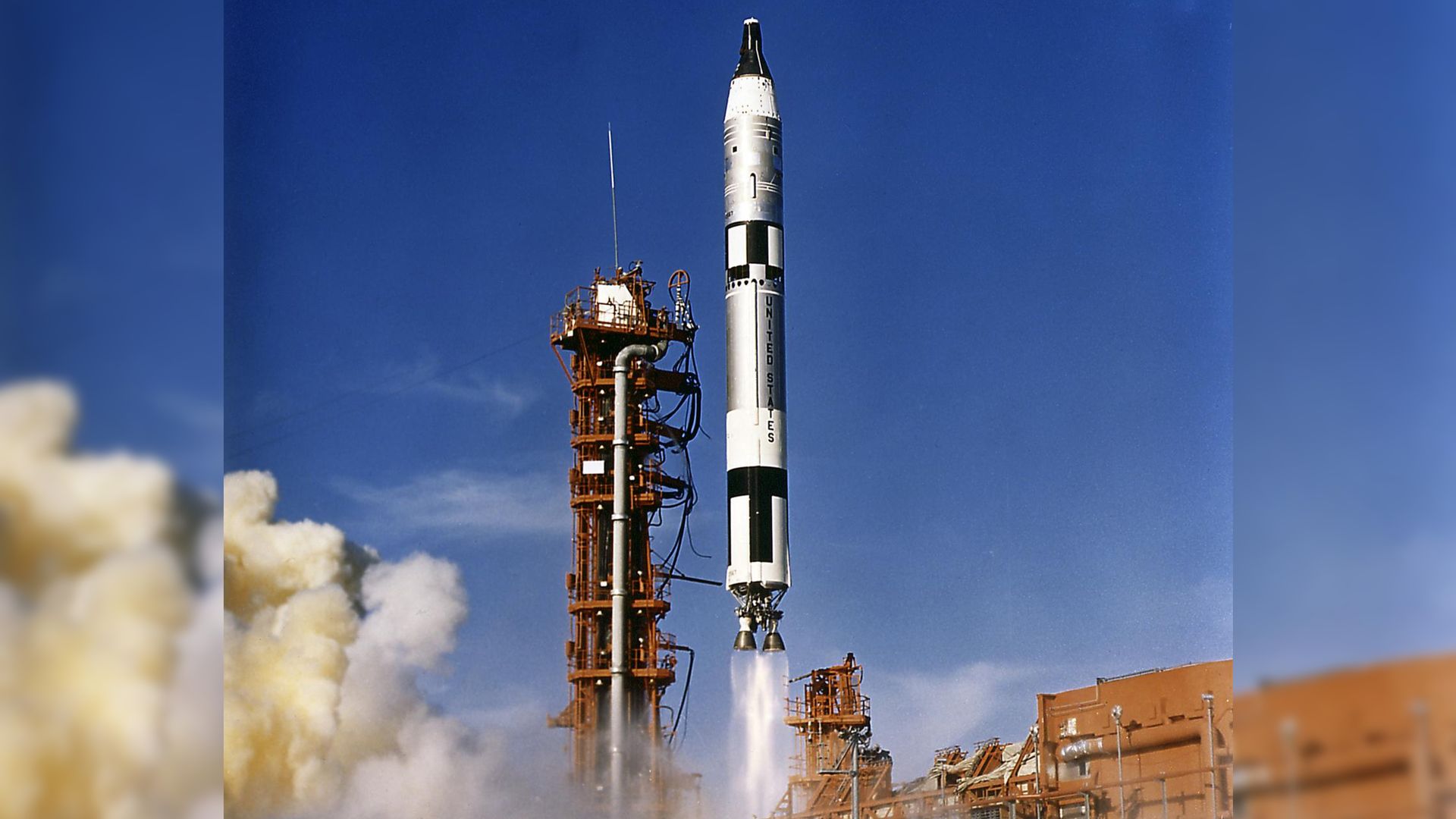
On November 11, 1966, NASA launched the Gemini 12 mission, marking the final mission of the Gemini program. The crew of the spacecraft consisted of two iconic astronauts, Buzz Aldrin and Jim Lovell. This mission was crucial in preparing for NASA's Apollo program, which aimed to land humans on the moon.
Gemini 12 focused on honing essential skills for the upcoming moon missions, particularly spacewalking and docking vehicles in space. Before this mission, astronauts found spacewalks challenging due to insufficient handholds on their spacecraft. To address this issue, NASA made significant changes for Gemini 12, enabling astronaut Aldrin to perform three successful spacewalks with minimal problems.
During the mission, Aldrin and Lovell not only performed spacewalks but also docked to an unpiloted Agena booster, which had been launched on the same day. After spending four days in orbit, the astronauts safely returned to Earth on November 15, landing just 3 miles from their intended target near the USS Wasp recovery ship in the Atlantic Ocean.
The success of Gemini 12 paved the way for the Apollo program, as it established the fundamentals of spacewalking that would be used by Apollo astronauts during their historic moonwalks. Notably, Buzz Aldrin, who was the primary spacewalker of the mission, went on to become the second person to walk on the moon during Apollo 11. Jim Lovell, on the other hand, became the commander of Apollo 13.
The innovations and techniques developed during the Gemini 12 mission have had a lasting impact on space exploration. Today, NASA's Neutral Buoyancy Laboratory in Houston, the world's largest indoor water body, is used for underwater training, which has become the primary method for training astronauts in spacewalking skills. The laboratory is equipped with mockups of major sections of the International Space Station, allowing astronauts to practice their skills in an environment that closely resembles the conditions they will encounter in space.
Written by urgent.news from Space.com's reporting — not their text. Machine-written — may contain errors; check the original before relying on it.