NASA kick-starts a fresh push to bring Mars samples home
NASA is kickstarting a new initiative for Mars Sample Return (MSR), called the Perseverance Sample Retrieval Architecture.
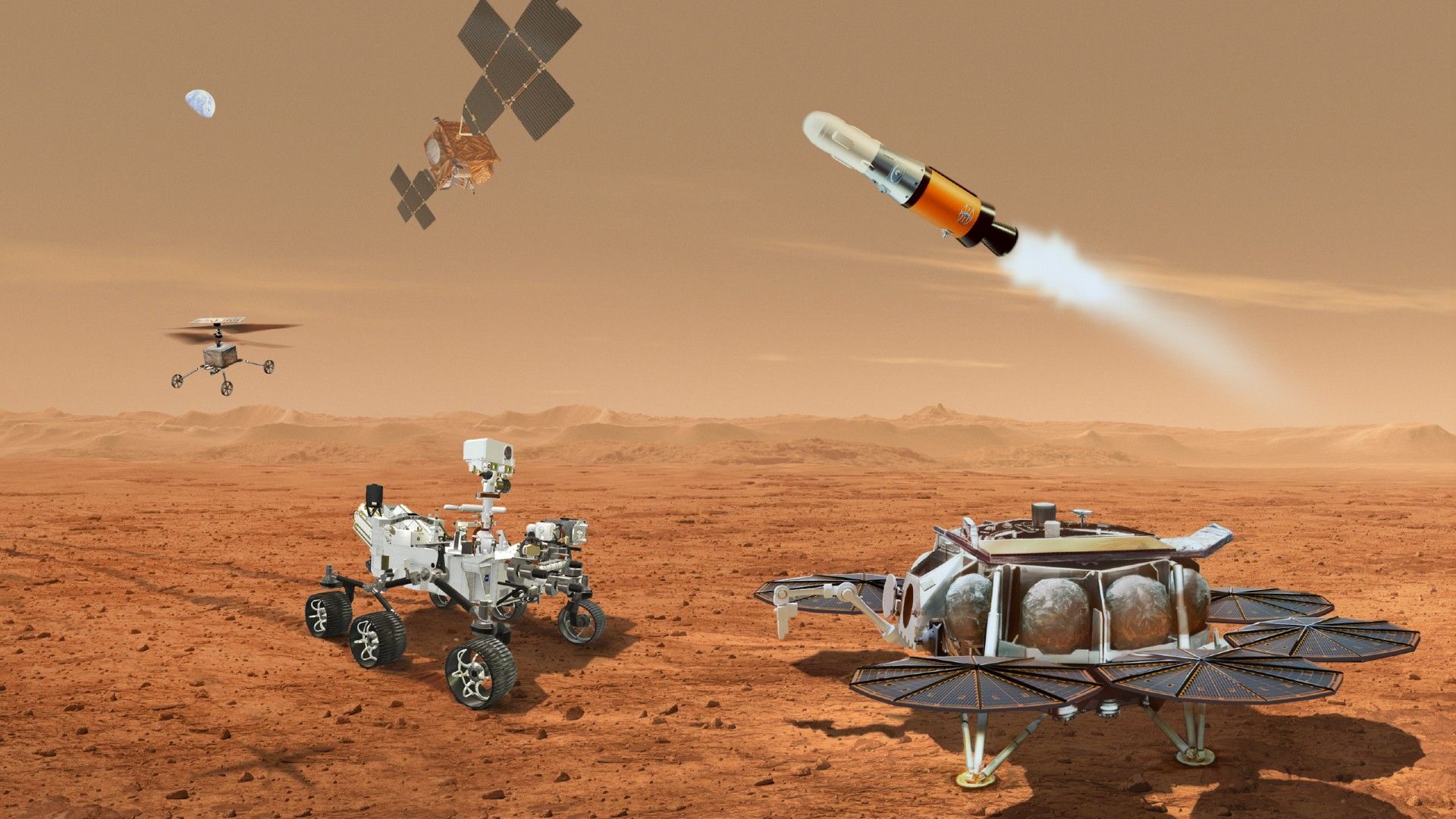
The National Aeronautics and Space Administration (NASA) is embarking on a new initiative to bring samples from Mars back to Earth. This effort, known as the Perseverance Sample Retrieval Architecture (PSRA), aims to develop impartial recommendations for retrieving Martian samples collected by the Perseverance rover and delivering them to Earth.
The PSRA strategy team will hold its kickoff in January 2027 with a final report due in winter 2027-2028. The Perseverance Mars rover, already on the Red Planet since 2021, has been gathering select specimens from across Jezero Crater. These samples, potentially holding signs of past life on Mars, are being stored and transported to Earth for rigorous examination using advanced equipment.
However, the cost of this endeavor has been a topic of concern, with multiple reviews reporting sticker shock estimates of up to $11 billion. Yet, some appraisals suggest a less costly approach, with Mars sample return potentially achievable as early as 2035 for a price tag of around $8 billion. NASA's decision to prioritize sample return prior to human missions to Mars is primarily driven by the need to understand and mitigate risks associated with hazardous chemicals and fine dust particles present in the Martian soil.
This knowledge will also enhance astronaut safety, hardware durability, and overall mission effectiveness on the Red Planet. China is also actively advancing its own Mars Sample Return mission, Tianwen-3, with the probe expected to launch around 2028 and return approximately 500 grams of Martian samples in 2031.
Written by urgent.news from Space.com's reporting — not their text. Machine-written — may contain errors; check the original before relying on it.
This story
This is one outlet's version. Read the fullest account.