Memory Chips Are Completely Distorting South Korea’s Economy
A booming tech industry is setting the country up for a potentially dramatic fall.
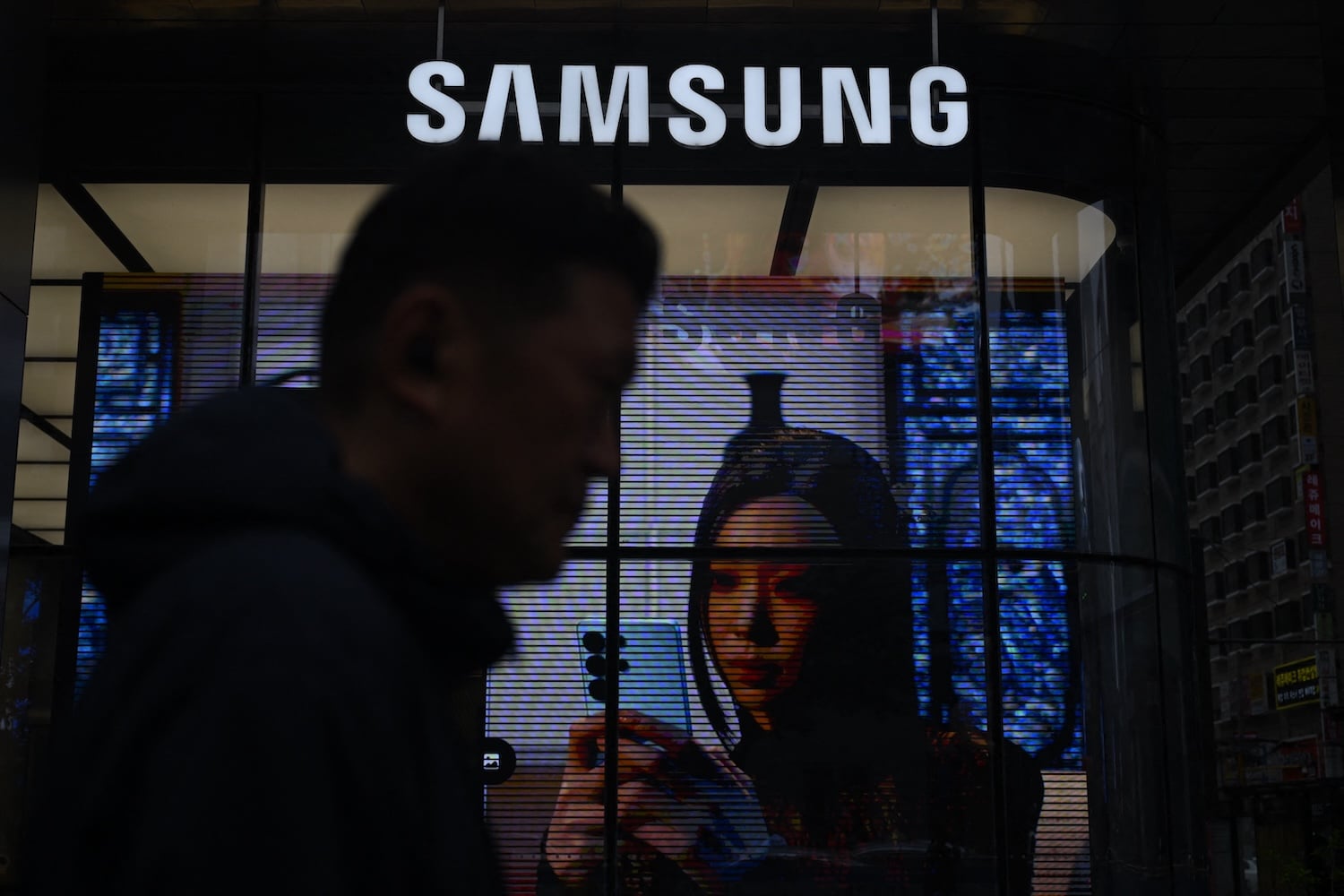
South Korea's booming semiconductor industry, particularly its memory chip sector, is distorting the nation's economy. This has led to widespread anxiety and the rise of the term "byeorak-geoji," which translates to "sudden beggar." The industry's dominance in the global artificial intelligence supply chain has driven up market capitalization, with Samsung Electronics reaching a record $1.3 trillion and SK Hynix reporting a 328% year-on-year revenue increase.
Many Koreans have taken out loans to invest in these companies, hoping for swift and significant profits. However, this has resulted in a new sense of relative deprivation among ordinary Koreans, who are struggling with high debt, rising mortgage rates, and stagnant private consumption growth. Economists warn that if the semiconductor boom eventually bursts, the consequences could be devastating for the Korean economy.
The current prosperity is fueled by high inflation and weak private consumption, with household credit reaching 2,000 trillion won ($1.49 trillion) in June, or 88.6% of GDP. The semiconductor industry's high profits are concentrated at the top, while the majority of the workforce and the service sector struggle. Additionally, South Korea's declining fertility rate and aging population compound the issue, as a shrinking workforce sustains the real estate market, which is already strained by property project-finance troubles.
The semiconductor boom masks the underlying challenges facing South Korea's economy, including Dutch disease and a historic low potential growth rate of 1.52% in 2027.
Written by urgent.news from Foreign Policy's reporting — not their text. Machine-written — may contain errors; check the original before relying on it.