Maand: Why Bengali households saved rice water and how they used it
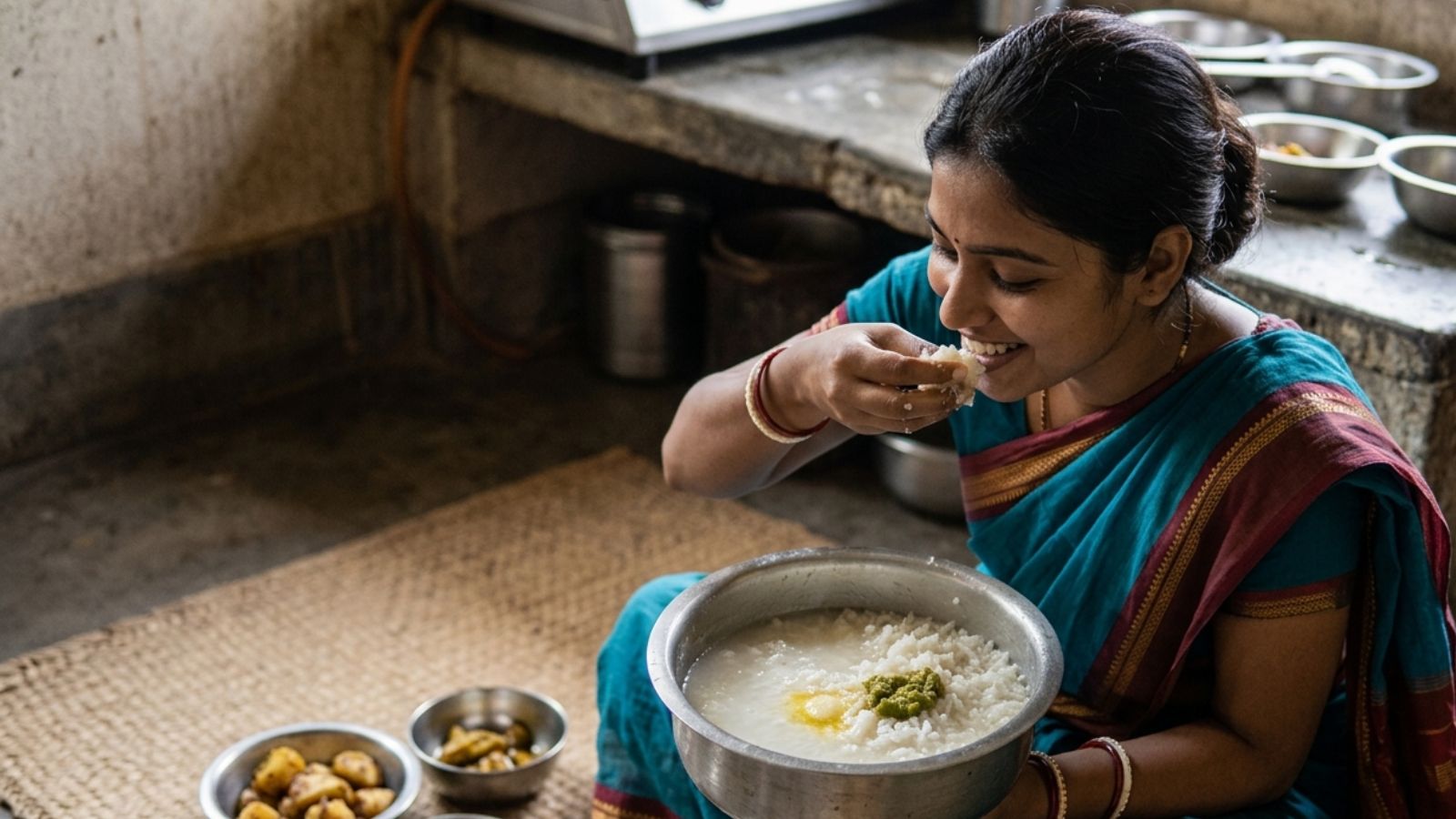
Bengali households have long practiced sustainable cooking, making use of every part of their ingredients. This includes the murky, starchy water left behind after boiling rice, known as maand. Although many might discard it, this water was once seen as more than just a byproduct.
Indrajit Lahiri, a food expert, explains that maand is not just leftover water. When rice cooks, its starch granules absorb moisture and swell, a process called gelatinisation. Some of the starch dissolves into the cooking water, creating maand's milky appearance and thicker consistency. The texture of maand varies based on rice type, water quantity, and cooking duration.
In many Bengali homes, maand was consumed warm, sometimes with salt, serving as an inexpensive and filling meal. It provided quick carbohydrates for labor-intensive work or when someone was unwell and had a poor appetite. Lahiri notes that, despite its simplicity, maand offered nutritional value depending on preparation.
Beyond consumption, maand had another practical use in cooking. Its starch could add body to liquids and gravies, creating a softer texture without needing additional thickening agents. This trick was a common practice in traditional Bengali cooking, showcasing how every component of an ingredient could be utilized.
However, there's a distinction between fresh maand and fermented rice preparations. Over time, microorganisms can alter maand's smell, acidity, and composition. While fermentation is not automatic, improperly stored rice water can become unsafe to consume. Lahiri points out that sustainable cooking was once everyday sense in Bengali kitchens, long before food waste became a global issue.
Written by urgent.news from The Indian Express - Lifestyle's reporting — not their text. Machine-written — may contain errors; check the original before relying on it.