Investitionen: Chinesische Firmen halten an Deutschland fest
Chinesische Unternehmen wollen weiter in Deutschland investieren. Doch vor allem hohe Arbeits- und Energiekosten bereiten ihnen zunehmend Sorgen.
Chinese firms remain committed to investing in Germany despite growing criticism over the country's business conditions. According to a joint survey by the China Chamber of Commerce in Germany and the accounting firm KPMG, 30 percent of surveyed companies plan to expand their investments, while 63 percent intend to maintain their current level.
However, high costs are increasingly worrying firms, with 83 percent citing labor costs and Germany's employment law as investment barriers, a ten percentage point increase from the previous year. Additionally, 65 percent complain about bureaucratic rules, and concerns about energy supply and high energy prices have surged, rising from 25 percent to 49 percent since last year.
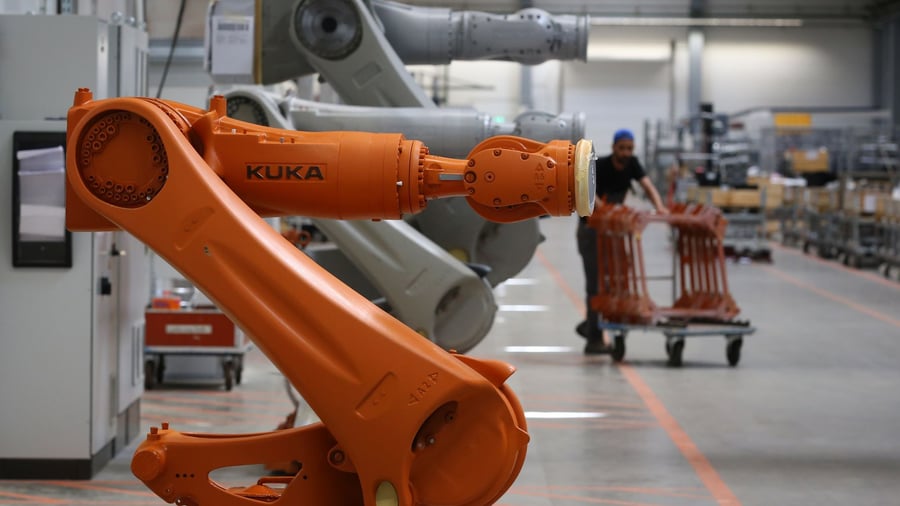
Despite these challenges, Germany remains an important location in Europe for Chinese businesses. Twenty-seven percent of respondents plan to invest in production in Germany over the next five years, up from 21 percent last year, placing Germany behind Poland, Spain, and Hungary among European countries. Specific areas of interest include battery storage systems, infrastructure, industrial robots, and service robots.
However, KPMG senior vice president Andreas Glunz emphasized that Germany must improve its regulatory framework to remain economically relevant for Chinese investors. Germany remains a significant location for European business, with 57 percent of surveyed companies using their German subsidiary as a European headquarters, up from 51 percent last year.
Companies are more cautious about future prospects, with 40 percent expecting rising revenues, down three percentage points from the previous survey. Forty-three percent intend to increase their workforce, two percentage points fewer than last year. The survey was conducted between mid-August and early September with Chinese firms operating in Germany.
Trade tensions between the EU and China have increased in recent years, with Brussels accusing Beijing of unfair competition through state subsidies. Meanwhile, the trade imbalance between the two regions has widened again. The EU now imports significantly more goods from China than it exports.
Written by urgent.news from Handelsblatt's reporting — not their text. Machine-written — may contain errors; check the original before relying on it.