Indian billionaire, doctors spar over US$900 brain blood-flow tracker Temple
A tiny, US$900 wearable device being developed by an Indian billionaire entrepreneur and showcased by some of the country’s top sportspersons has sparked criticism from doctors who say its claims of tracking blood flow to the brain are exaggerated.
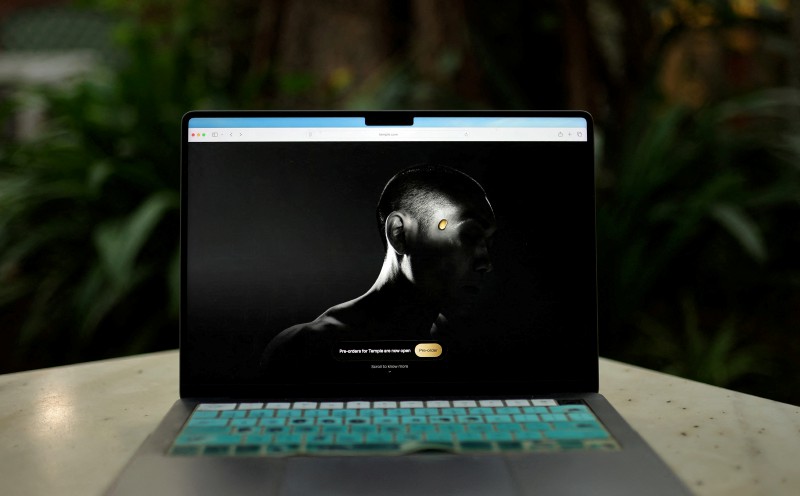
An Indian billionaire entrepreneur has faced criticism from medical professionals over a $900 wearable device called Temple, which claims to track blood flow to the brain. The device, developed by Deepinder Goyal, is smaller than 2.54 cm and weighs less than two grams, and can be attached to the side of the head. The Temple device, priced at 85,000 rupees (US$907), comes in six colours and has been endorsed by Indian sports personalities such as cricket captain Shubman Gill and Olympic badminton player P.V. Sindhu.
However, several well-known doctors have raised doubts about the device's claims. Cyriac Philips, a hepatologist known as "TheLiverDoc," has called Temple "the biggest health scam" on his X account, while pediatrician and nephrologist Sanjeev Bagai has described it as a "gimmick" without formal approval or clearance. Goyal has defended Temple, stating that it is a fitness tracker and wellness device, not a medical one, and that more research is needed to validate its metrics.
India's health ministry has not commented on the public debate surrounding Temple, and the government has yet to react to the controversy. The emergence of wearable devices with both fitness and potential health-related features has sparked a broader debate on the regulation of such technology. Some Apple Watch features, such as hypertension notifications, have received FDA clearance as software-based medical features, while the FDA has warned Fitbit (now known as Whoop) that its blood-pressure feature resembles a medical one, though the company disputes this.
Temple, which has received orders from over 62 countries since November 1, is currently in the development stage, with advisory board members from universities in Ottawa and Harvard. The company has raised $54 million at a valuation of approximately $190 million.
Written by urgent.news from New Straits Times's reporting — not their text. Machine-written — may contain errors; check the original before relying on it.