iFixit teardown shows how Apple's glowing PROLED MacBook logo works
The new laptop goes the extra mile to recreate the iconic feature.
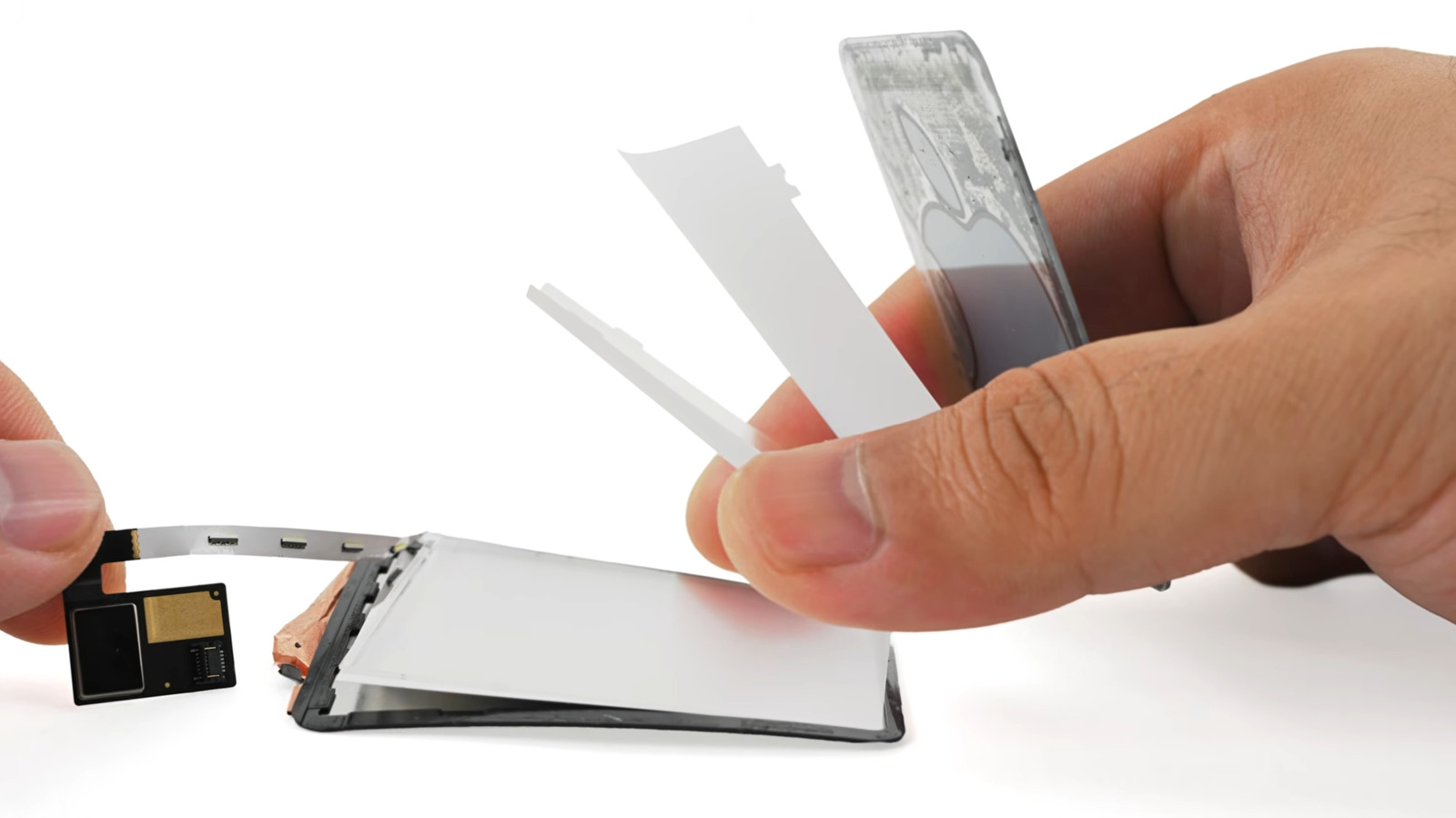
iFixit recently disassembled Apple's first touchscreen MacBook Pro, revealing the components responsible for the laptop's glowing PROLED XDR Display logo. The new lid design is one of the MacBook Pro's many appealing features, alongside its OLED display and lighter weight. Unlike older LCD MacBooks, which had a physical cutout for the logo, OLED screens require a different approach. iFixit discovered that Apple employs a light strip with four LEDs sandwiched behind the display, whose light is diffused to illuminate the logo.
The Apple logo is coated like a two-way mirror, appearing metallic and reflective when the logo is off, yet allowing light to pass when the LEDs are on.
Apple discontinued the glowing logo in 2016, so it's somewhat ironic that the company reintroduced it after abandoning backlit displays. This design element helps distinguish the expensive MacBook Pro from cheaper laptops. Apart from the logo, the MacBook Pro's lightweight design is achieved by using less aluminum in the base and lid, and incorporating a smaller trackpad.
The hinge has also been redesigned to minimize display wobble when the screen is tapped. However, despite these improvements, the laptop remains complex and challenging to repair. Disassembling the MacBook Pro requires removing the logic board to replace USB-C ports, and many other components like memory and the HDMI port are soldered in place.
Although users investing $15,000 in the laptop may not be concerned about maintenance, the sleek design comes with certain tradeoffs.
Written by urgent.news from Engadget's reporting — not their text. Machine-written — may contain errors; check the original before relying on it.
This story
This is one outlet's version. Read the fullest account.
- PROLED MacBook Pro teardown shows how the glowing Apple logo works appleinsider.com