How HMRC is set to punish tax mistakes with new stealth powers
Brits who make innocent errors on their tax returns face being treated the same way as those who deliberately evade payments, under aggressive new powers quietly introduced after the Budget. Under rules buried in the Finance Bill, which had its first reading in Parliament on Monday, HMRC will introduce a statutory ‘Duty to Correct’ regime [...]
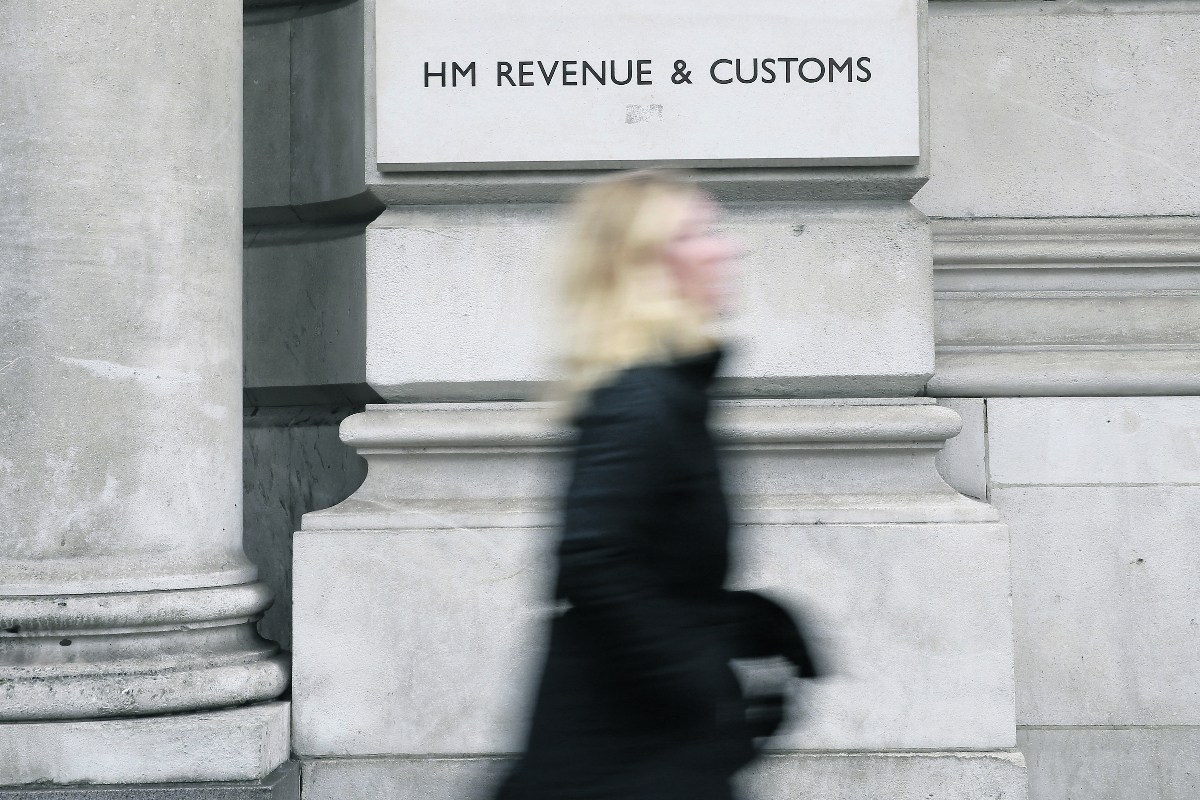
Taxpayers in the UK who inadvertently make errors on their tax returns may soon be penalised as if they intentionally evade payments, under new stealth powers introduced by HMRC following the Budget. The Finance Bill, which has just begun its first reading in Parliament, will see the implementation of a statutory 'Duty to Correct' regime from April 2028. This will legally require people to rectify mistakes on old tax returns once they become aware of them.
Under existing tax laws, an uncorrected mistake discovered after filing is deemed 'careless', resulting in a lower penalty cap of up to 30 percent of the unpaid tax, and a six-year assessment window. However, the new regime will treat taxpayers who fail to correct their mistakes as 'deliberate', which is the highest penalty tier. This carries a fine of between 70 percent and 100 percent, and allows HMRC to review taxpayers' forms dating back two decades.
This change aims to close the £59 billion tax gap and end the culture of taxpayers who spot historical errors and choose to ignore them. However, tax barristers and City figures have questioned the legislation, arguing that it blurs the line between honest mistakes and intentional fraud. Fiona Fernie, a partner at Blick Rothenberg, noted that HMRC's policy objective is clear - to close the gap in the current compliance framework.
Nonetheless, she questioned the proportionality of the proposed measure, as it risks treating similar conduct differently.
Andy Wood, a tax barrister at Tax Barrister UK, further highlighted the absence of a minimum threshold for fines, which he considered a concern. Without a threshold, taxpayers could face formal correction notices over relatively small amounts of unpaid tax, leading to unnecessary compliance costs. Moreover, the extended 20-year window for audits clashes with the standard five to six-year record-keeping rules for the self-employed, potentially leaving taxpayers unable to provide necessary documentation.
Fernie emphasized the need for clearer safeguards and a finite time limit for making corrections, as the legislation, while aiming to modernize compliance, could undermine it otherwise. HMRC was approached for comment.
Written by urgent.news from City AM's reporting — not their text. Machine-written — may contain errors; check the original before relying on it.