How companies are using AI to make you spend more money
Companies have always tried to maximize profits, but now there are a host of sophisticated tools to determine the prices of the goods and services they sell. At a time when so many Americans are frustrated with rising costs, those tools are under greater scrutiny. Economics correspondent Paul Solman explains how that technology is transforming the prices we pay.
For decades, businesses have sought to maximize their profits, but recent advancements in technology have introduced new methods for determining product and service pricing. As many Americans grapple with rising costs, these tools are now facing increased scrutiny. In this report, economics correspondent Paul Solman explains how these innovations are reshaping the prices we pay.
To illustrate, Paul Solman presents a simple experiment involving 400 shoppers who all purchased the same 20 items from the same stores using Instacart. The findings revealed that 75% of items were priced differently for each shopper, even in the same pickup location at the same time. Lindsay Owens, head of Groundwork Collaborative, discovered that Instacart conducted this experiment to test the extent to which they could charge customers without their knowledge.
The price disparities ranged up to 23%. In response to public concerns, Instacart ceased the experiment and issued an apology, stating, "Those tests raised concerns, leaving some people questioning the prices they see on Instacart. That's not OK." Despite this, Owens believes that many companies welcome variable pricing and leverage advanced technologies to adjust prices based on personal data.
This data may include location, I.P. address, purchase history, loyalty card information, and even demographic data. Walmart, for instance, has filed patents for customer tracking technology that could connect to wearables like Apple Watches to monitor factors such as heart rate and blood sugar levels, potentially influencing pricing in the ice cream aisle.
Walmart has promised not to use personal information, income, shopping history, urgency, or willingness to pay when setting individualized prices. However, the company is developing digital price tags for all U.S. stores by year-end. To demonstrate the potential of personalized pricing, Elizabeth Pancotti arranged for several individuals to order the same meal on Uber Eats at the same time from the same location.
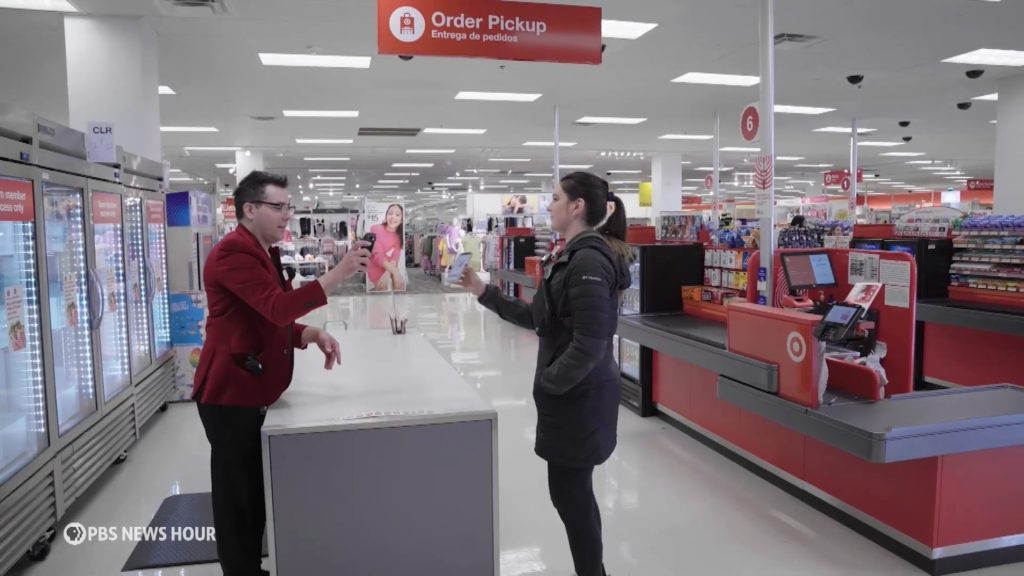
Despite the identical order, the final prices varied significantly, ranging from $18.78 to $22.55, primarily due to differences in delivery fees. Moreover, Expedia was found to charge users from the San Francisco Bay Area higher prices for the same hotel room in Manhattan compared to those from less affluent areas. Target has also been known to adjust prices in its app as customers approach a store, believing that the nearer they are, the more likely they are to make a purchase.
Written by urgent.news from PBS NewsHour's reporting — not their text. Machine-written — may contain errors; check the original before relying on it.