How AI Helps Recyclers Turn Mixed Waste Into Reusable Material
Vision AI and robotics pick what’s worth recovering out of conveyor belts of used clothing, bottles and mixed recyclables, diverting thousands of tons of materials from landfills.
World leaders gathering for COP31 in Turkey highlight the pressing need to keep materials in circulation. Currently, less than 7% of materials entering the economy are recycled or reused. Over 2 billion tons of municipal solid waste are generated annually, a figure expected to nearly double by 2050. AI and robotics are transforming this challenge by improving sorting and resource recovery, keeping valuable materials in use.
NVIDIA's Josh Parker stresses the importance of a circular economy, leveraging AI to understand waste streams and automate sorting. Four NVIDIA Inception startups apply AI to keep materials circulating.
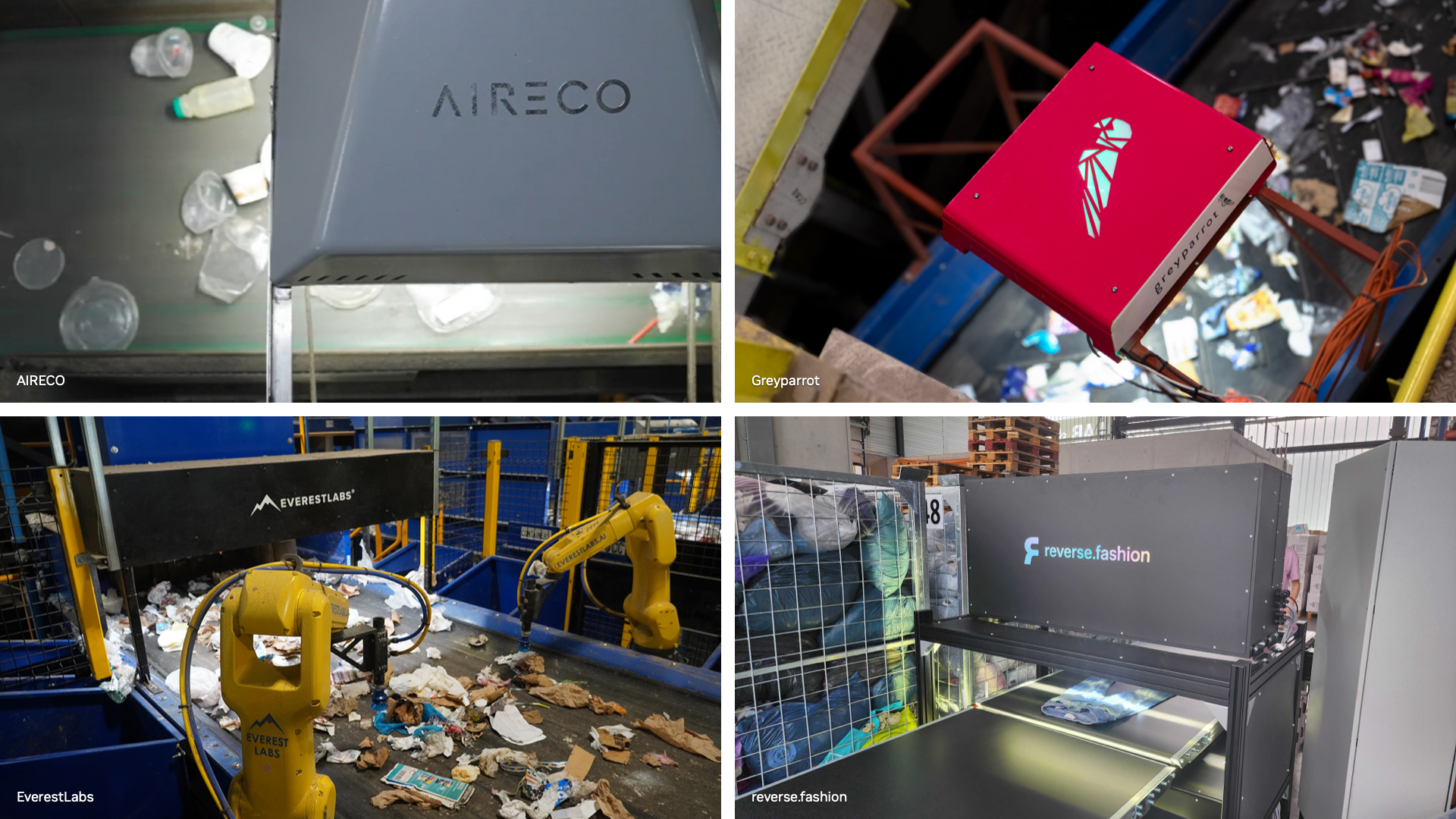
AIRECO, a Taiwan-based startup, employs vision AI to sort plastics more finely, enabling recycled items to be repurposed into new versions of the same product. Their NVIDIA Jetson Orin NX modules process waste at a pilot line in Tainan, achieving 95% recognition accuracy and aiming to triple annual waste processing capacity while cutting costs by 85%.
EverestLabs AI deploys computer vision-guided robots on sorting lines in North American and Australian material recovery facilities. Their systems have identified 40 billion objects, recycled 25,000 tons of material, and avoided 30,000 metric tons of CO2 emissions. Greyparrot, a U.K. startup, uses computer vision to identify objects and brands on conveyor belts, operating in over 20 countries and reducing manual checks to six hours per 15 tons of waste.
Automating textile sorting in Europe, reverse.fashion identifies garment attributes, enabling better recycling and value recovery.
Written by urgent.news from NVIDIA Blog's reporting — not their text. Machine-written — may contain errors; check the original before relying on it.