Here’s Why It’s So Hard to Boost a Satellite
NASA’s Swift telescope has burned up, months after a robot sent to save it failed The post Here’s Why It’s So Hard to Boost a Satellite appeared first on Nautilus .
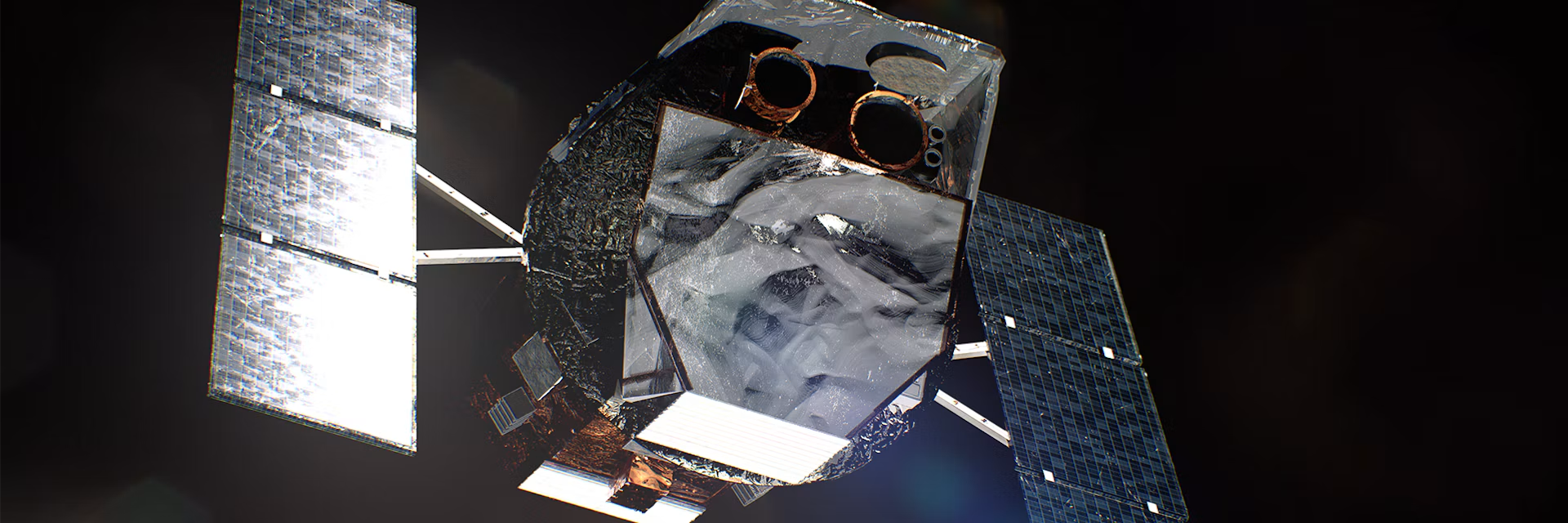
Rescuing satellites in orbit is a complex and challenging task, as evidenced by the failure of NASA's LINK robotic spacecraft to successfully boost the Swift telescope. Swift, a space telescope that observed powerful cosmic explosions, reentered Earth's atmosphere and burned up on November 4, 2026, after a failed rescue attempt by LINK.
LINK, designed to approach and capture Swift with its three robotic arms and fire its thrusters to raise the telescope to a safer orbit, lost two of its three reaction wheels in late July, which helped it turn without using fuel. This loss, combined with issues with its propulsion system, sent LINK into an uncontrolled spin, consuming more propellant with each burn.
Despite engineers' efforts to control LINK's spin, it ran out of propellant to complete its rescue mission. A servicer spacecraft like LINK requires a finite supply of propellant, allocated for reaching the target, approaching and capturing it, and moving it to a new orbit. Any unexpected events, such as a fault, deplete this fuel budget, leaving no reserve for recovery.
The compressed development timeline for LINK, due to high solar activity accelerating Swift's fall, left limited time for rigorous testing, building spare hardware, and planning recovery options. This hurried development may have contributed to LINK's failure to successfully rescue Swift. Future satellite rescue missions, such as NASA's Hubble Space Telescope boost and the European Space Agency's ClearSpace-1 debris removal mission, face similar challenges in designing servicer spacecraft that can remain stable, recover from faults, and maintain enough propellant to complete their tasks.
Written by urgent.news from Nautilus's reporting — not their text. Machine-written — may contain errors; check the original before relying on it.