Here Comes the Next Affordability Crisis
A law designed to end surprise medical billing has turned into a tool for squeezing even more money out of insurers—and raising health-insurance costs for everyone else.
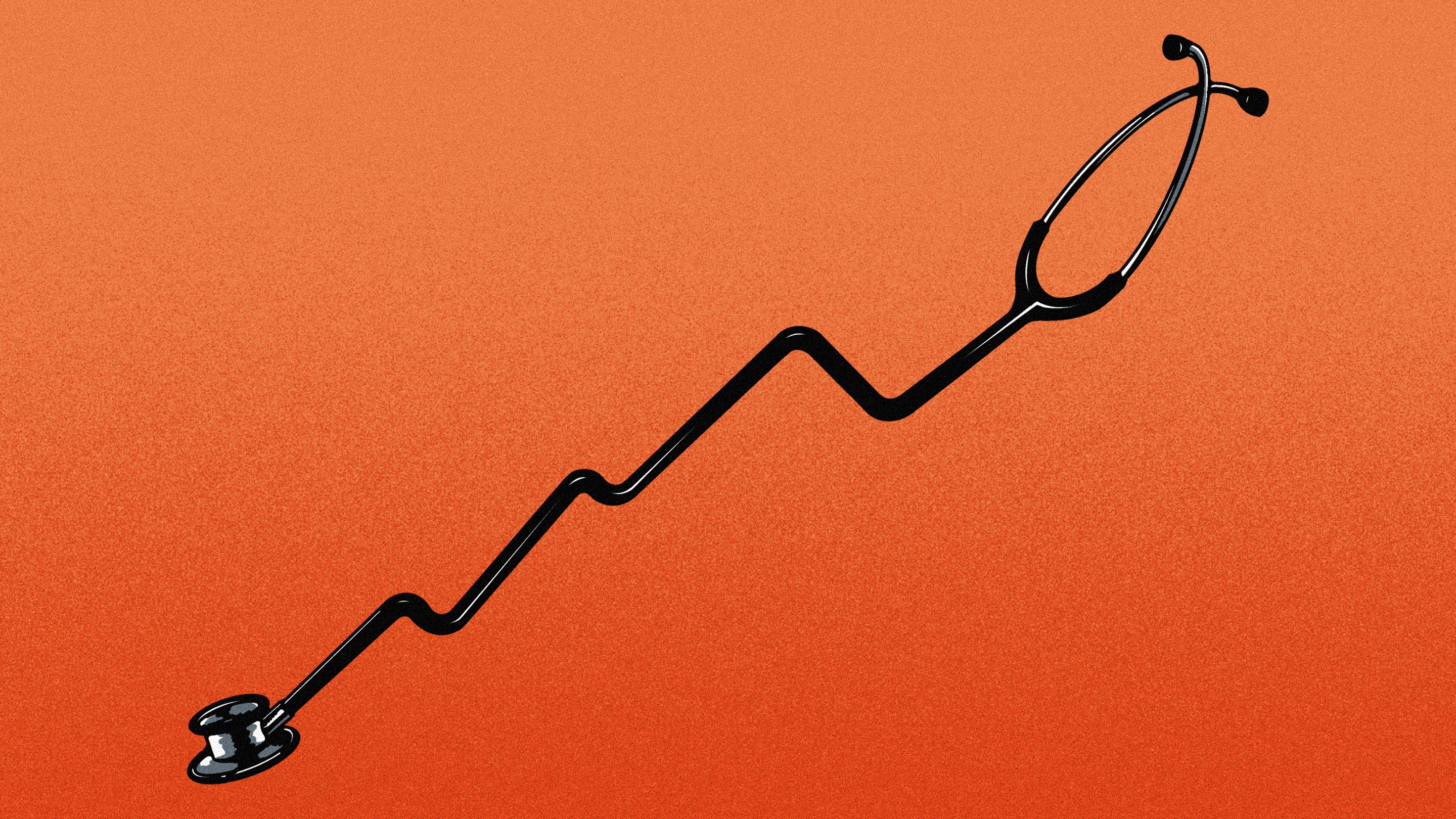
The rising cost of health insurance premiums is set to become a major concern in 2027. Employer-provided health coverage, which benefits 160 million Americans, is projected to see a cost increase of up to 11 percent, nearly double the average annual growth rate of the past decade. Ellen Kelsay, president of the Business Group on Health, believes these numbers are likely an underestimate.
The primary driver behind this increase is the mass adoption of GLP-1 drugs for weight loss, with usage surging from 2024 to 2026. The cost per patient for these drugs ranges from $7,000 to $9,000 annually, and projections suggest they could account for up to a quarter of the anticipated cost rise.
Another contributing factor is the use of AI tools that record and transcribe interactions between providers and patients. These tools aim to give doctors more time with patients and less paperwork, but they also maximize revenue by billing for additional services during appointments, such as noting chronic conditions. Companies promoting these tools openly discuss their revenue-generating capabilities.
The most surprising and contentious factor behind the cost spike is the No Surprises Act, enacted in 2020 to prevent surprise medical billing. While the law limits patients' out-of-pocket costs in certain situations, it has inadvertently led to a surge in disputes over healthcare payments. Out-of-network providers and insurers frequently submit arbitration requests to maximize their own payments, often exceeding what insurers would otherwise pay.
These disputes are predominantly initiated by a few large provider practices, such as Radiology Partners and TeamHealth, as well as a company called HaloMD, which specializes in facilitating IDR disputes. The volume of claims has doubled in the first half of 2026 compared to the same period last year, with experts forecasting continued growth next year.
Written by urgent.news from The Atlantic's reporting — not their text. Machine-written — may contain errors; check the original before relying on it.