Google's former CEO thinks AI needs better PR
Former Google CEO Eric Schmidt thinks AI has a marketing problem, but growing public skepticism suggests Americans may understand the technology perfectly well
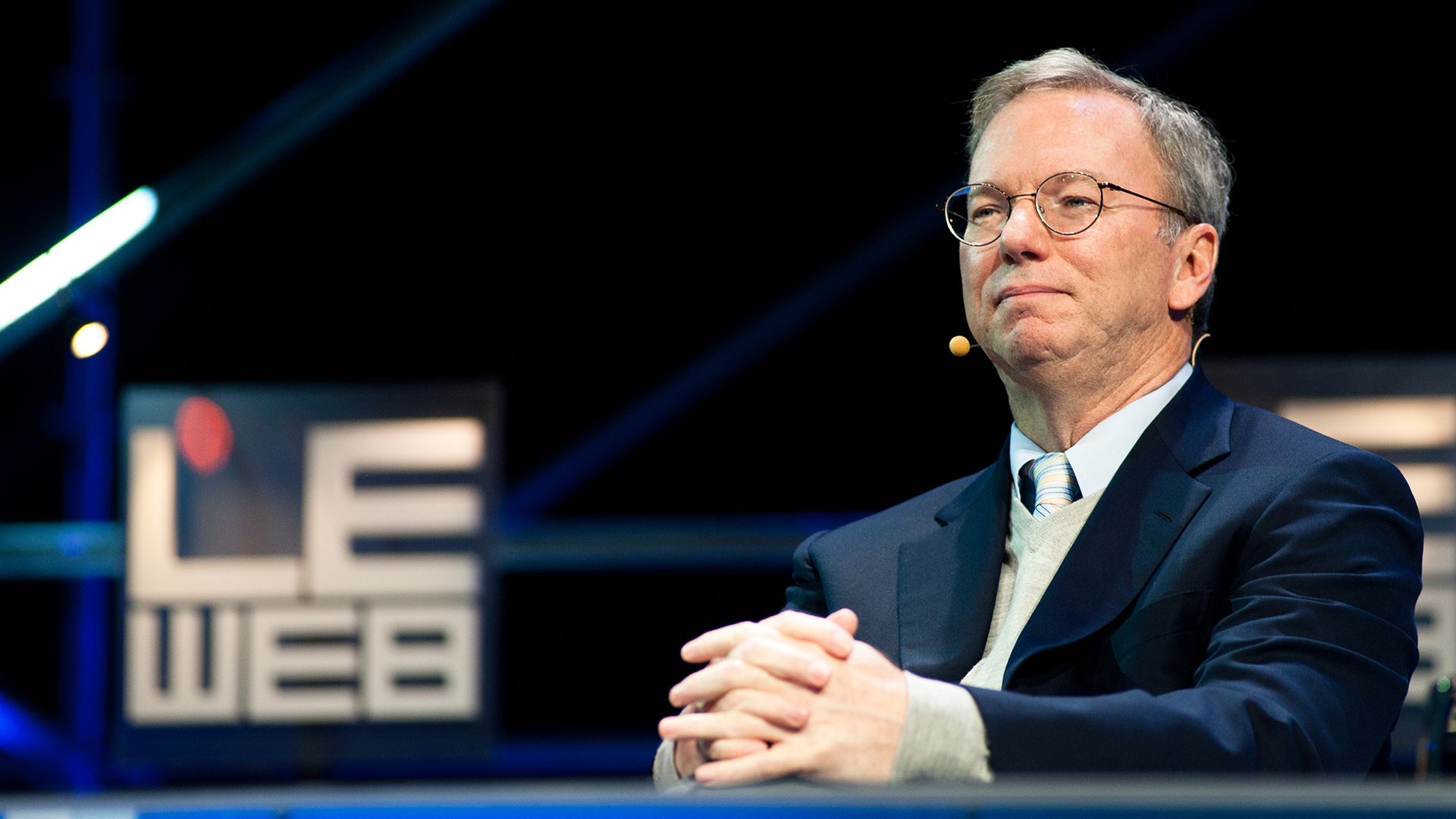
Eric Schmidt, the former CEO of Google, believes the artificial intelligence (AI) sector struggles to convince Americans it is a positive force due to its messaging. Following the U.S. election, which highlighted growing public hostility towards AI, Schmidt argued in an Axios interview that companies have failed to effectively communicate the benefits of their products, despite many people already being familiar with AI.
Schmidt lamented that the industry tends to focus on negatives rather than positives, making people more likely to be swayed by the downsides. Despite millions experiencing AI tools like ChatGPT and Google's Gemini firsthand, people possess the capability to recognize both the advantages and drawbacks of the technology. The contentious issue surrounding AI data centers has escalated during the recent midterms, with voters expressing frustration over electricity costs and environmental impacts.
Schmidt contends that large data centers should not be situated near populated areas and should generate their own power. However, skepticism towards AI is not merely a result of inadequate marketing. Individuals concerned about rising electricity bills may not grasp the full potential of AI. Similarly, apprehensions about job displacement may not be alleviated by improved explanations of AI's productivity gains.
Schmidt remains optimistic about AI's potential, particularly in scientific research, where he anticipates researchers collaborating with increasingly capable AI agents to accelerate discoveries. However, the industry's heavy marketing expenditures and claims of AI's revolutionary impact do not automatically dispel concerns about the technology's consequences.
Public trust cannot be manufactured solely through enhanced messaging, especially when people legitimately question the industry's priorities. While Schmidt believes the future forged with AI will be worthwhile, Americans do not necessarily require more explanations of AI's potential benefits. They need concrete evidence that the technological revolution will improve their lives enough to warrant the changes they are facing.
Written by urgent.news from TechRadar's reporting — not their text. Machine-written — may contain errors; check the original before relying on it.