Forschungssicherheit: Fördergeld nur noch bei Schutz vor Spionage und Wissensabfluss
Union und SPD verhandeln, wie sie Wissen schützen und Spionage verhindern wollen. Die Grünen fordern nun Gefahrenlisten. Wie andere Staaten für Sicherheit sorgen, zeigt eine Studie.
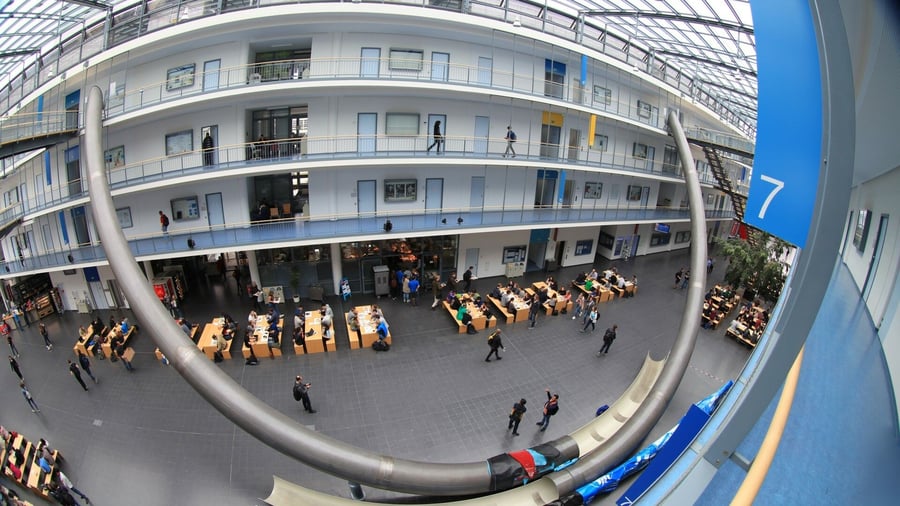
An attacker breached the TU Munich's central campus management system last Friday, stealing personal passwords and data from staff and students. The university had to take the system offline, but the extent of the damage remains unknown. Cybercrime is increasingly targeting German universities and research facilities. Moreover, espionage incidents and China-related scandals, like the one at the Helmholtz Institute for Information Security (Cispa) in Saarbrücken, are also on the rise.
The Greens, Union, and SPD parties are now pushing for improved protection against knowledge leakage, espionage, desinformation, and cyberattacks. They have drafted a ten-point plan to guide German research institutions in safeguarding their operations. Meanwhile, a study reveals that other countries are more security-conscious compared to Germany, which is still in the process of building its research security platform.
The Greens propose creating a platform that lists risk-prone institutions and technology fields critical for national security. These lists will follow the European Union's sanctions lists and those of companies ineligible for funding programs. By linking federal funding to compliance with these lists, the Greens believe they can help minimize risks for researchers and institutions. Additionally, visa applications for international researchers could be reviewed based on these lists.
The Greens argue that similar measures are already in place in countries like Canada and the European Union. While some European countries focus on risk-based approaches, China takes a more stringent stance by banning collaborations with certain countries and imposing strict data protection laws. Germany needs to prove its capability in this area by creating a reliable and effective research security platform.
Written by urgent.news from Handelsblatt's reporting — not their text. Machine-written — may contain errors; check the original before relying on it.