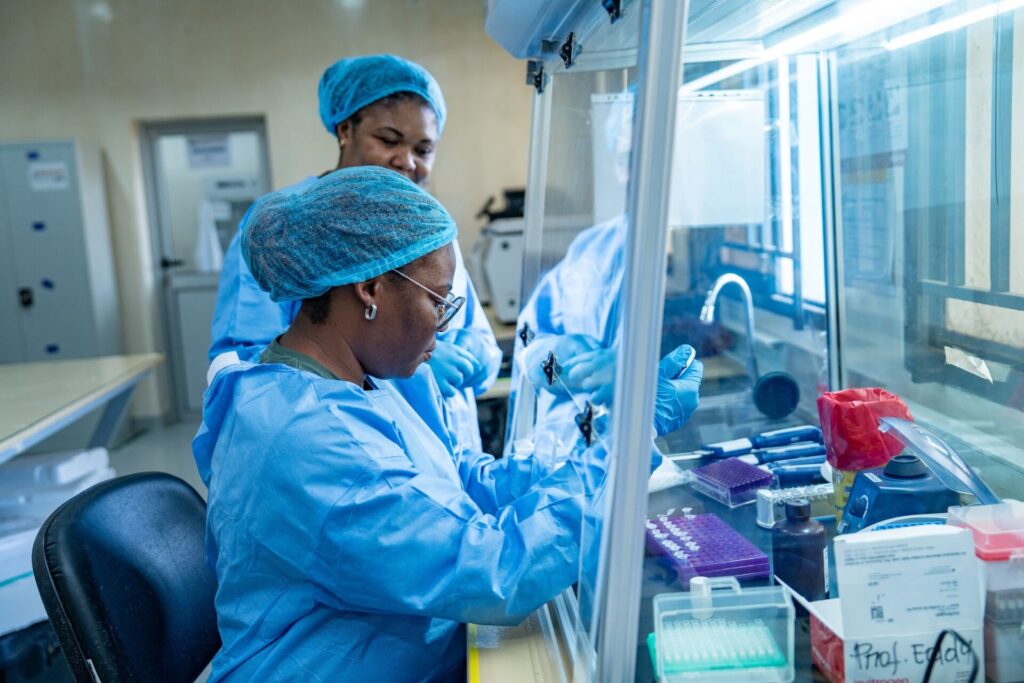
DR Congo Ebola Outbreak Surpasses 11,000 Cases, Death Toll Exceeds 5,300
The Ebola outbreak in the Democratic Republic of the Congo has surpassed 11,000 confirmed cases and claimed 5,387 lives, according to the country’s National Institute of Public Health (INSP). Its latest situation report, covering Nov. 9, recorded 11,042 infections and a 48.8% case fatality rate among confirmed cases. The epidemic, caused by the Bundibugyo species […]
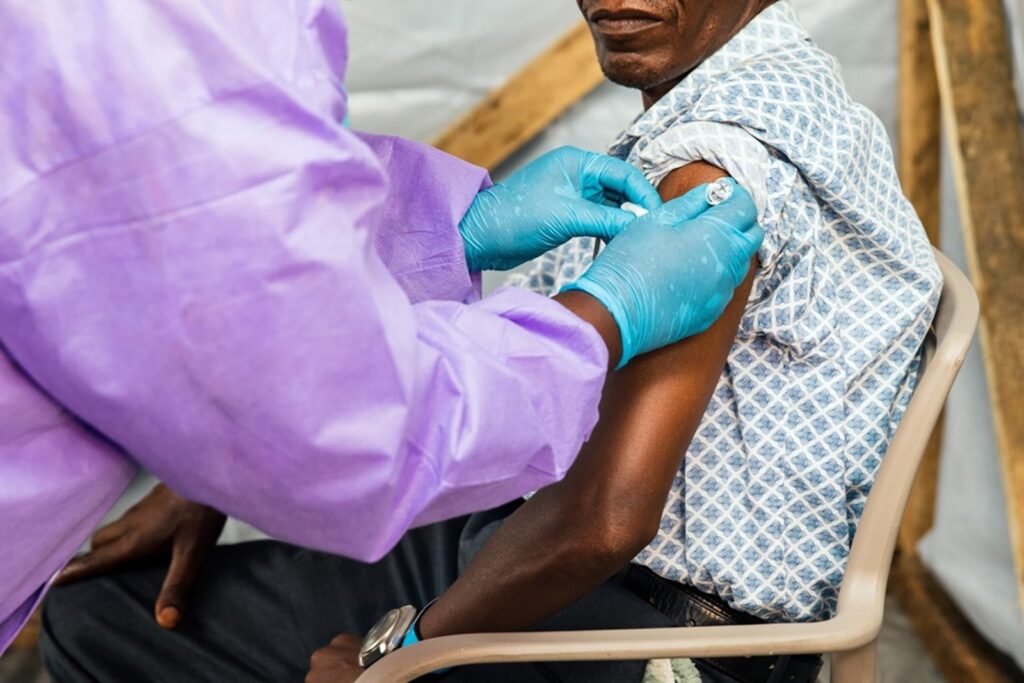
The Ebola outbreak in the Democratic Republic of the Congo (DR Congo) has reached a critical milestone, with more than 11,000 confirmed cases and over 5,300 deaths, according to the National Institute of Public Health (INSP). This is the deadliest Ebola outbreak in DR Congo's history and the second-largest worldwide, following the 2014-2016 West African outbreak.
Currently, the Bundibugyo species of the Ebola virus is causing the epidemic, which remains difficult to contain due to ongoing challenges in the public health response.
The INSP reported 52 new confirmed cases and 33 deaths on November 9, bringing the total cases to 11,042 and the case fatality rate to 48.8%. Among these, 30 new cases were recorded in Ituri province, followed by 17 in North Kivu and 5 in Haut-Uélé. Nineteen deaths occurred outside Ebola treatment centers, highlighting the difficulties in effective containment. Nineteen of the deaths occurred in communities outside Ebola treatment centers, indicating that many infected individuals are not receiving proper care.
Since the outbreak began, infections have been identified in 67 health zones across eight provinces. Ituri remains the epicenter, accounting for 69.6% of confirmed cases. Despite a recent daily total of 62 new cases, which is below the weekly average, the situation remains concerning. No new health zones were affected on November 9, suggesting that transmission may be stabilizing in key regions, but further monitoring is necessary to determine whether this trend continues.
The difficulty in containing the epidemic is exacerbated by conflict, poor road infrastructure, and attacks on healthcare workers, which limit access to affected communities, particularly in Ituri and North Kivu. Community deaths further complicate containment efforts, as people may die outside treatment centers and transmit the virus to others. Moreover, the ongoing insecurity and incomplete surveillance hamper contact tracing efforts, making it challenging to identify infected individuals and track their connections.
Written by urgent.news from Colombia One's reporting — not their text. Machine-written — may contain errors; check the original before relying on it.