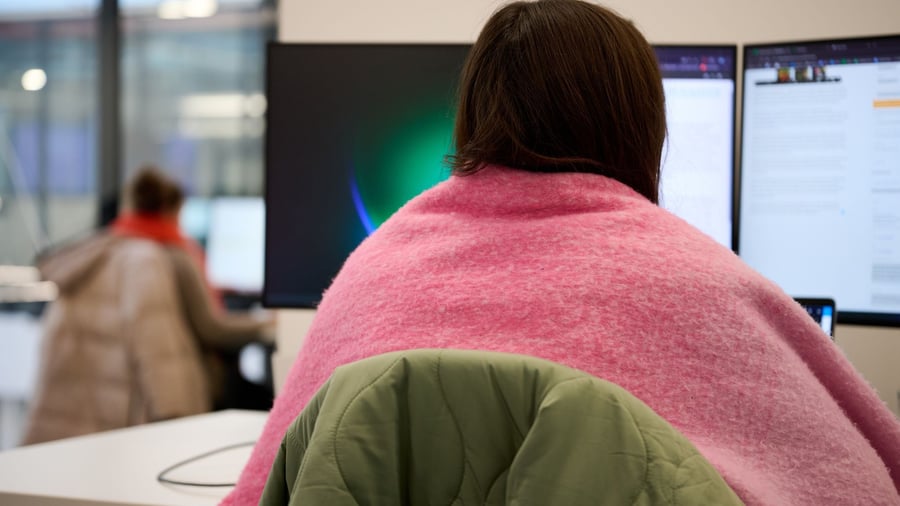
Der Winter ist da: Wie kalt darf es an Ihrem Arbeitsplatz werden?
Frieren am Arbeitsplatz? Das darf nicht sein. Welche Rechte Arbeitnehmende bei Kälte haben - ob im Büro, in Werkhallen oder im Freien. Und was zu tun ist, wenn der Arbeitgeber versagt.
The cold weather has arrived and employees are wondering how cold it can get in the workplace. Unpleasant drafts or a heater set too low can quickly cause employees to freeze, affecting their performance and health. According to Daniel Stach, a legal expert at the ver.di trade union in Berlin, employers are obligated to ensure workplaces maintain certain minimum temperatures.
This is regulated by the Workplace Ordinance, which specifies the provisions of the Occupational Safety Act. Employers must provide a health-promoting indoor temperature and take into account workplace procedures and physical demands of employees. This means that those who physically labor require a different temperature than those who sit at a desk in an office.
For light and mostly seated work, the indoor temperature must be at least 20 degrees Celsius, even if many employees find a temperature of 22 degrees Celsius more comfortable in winter. For all other seated activities, such as working at a cash register in retail or a bank or post office counter, the minimum indoor temperature is also 20 degrees Celsius.
For other light seated activities like sorting mail and packages on a high sorting table, the minimum temperature is 19 degrees Celsius. For moderately heavy and mostly seated work, such as employee in material management of a company, the minimum temperature is also 19 degrees Celsius. For moderately heavy work mostly done while standing or walking, like a nurse, the minimum temperature is 17 degrees Celsius.
For physically demanding work, such as in a furniture and package warehouse, the minimum temperature is 12 degrees Celsius. Employers must take action when indoor temperatures fall below the prescribed levels. This includes repairing malfunctioning heaters and having mobile heaters ready. Additionally, drafts in the workplace are unacceptable.
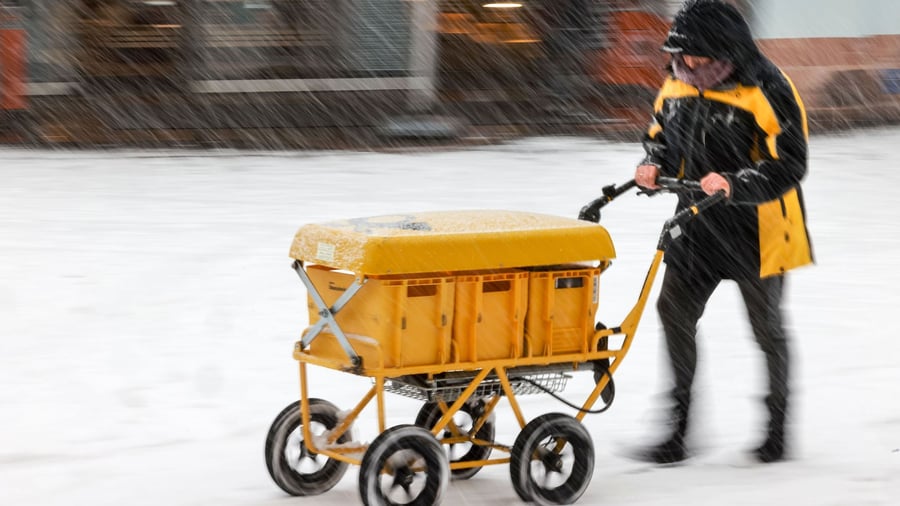
Employers must quickly address issues such as closing windows or blocking air vents from the room ventilation system. Outdoor work in winter requires employers to conduct a hazard assessment on-site. At temperatures above zero and low, there is a risk of health risks from cold. According to Kersten Bux from the Federal Institute for Occupational Safety and Occupational Medicine (BAuA), there are three cold stages: Stage 1 ranges from plus five to minus five degrees Celsius, Stage 2 ranges from minus five to minus 20 degrees Celsius, and Stage 3 is temperatures below minus 20 degrees Celsius.
From Stage 2 onwards, especially with stronger wind, employers should shorten work units and establish warming periods. Further measures include using cold protection clothing to prevent cold-related health risks. Employers must follow the TOP-principle to protect employees. The three letters stand for technical, organizational, and personal measures.
First, technical workplace measures are taken, such as warm-air radiators, heated mats, and heated vehicle cabs. If this is not enough, organizational measures like establishing warming periods are implemented. The last resort is personal measures where employers provide suitable clothing. Regardless of the workplace, if minimum temperatures are not met, employees should immediately contact their supervisors and works council. Employers must ensure the health and safety of their employees.
Written by urgent.news from Handelsblatt's reporting — not their text. Machine-written — may contain errors; check the original before relying on it.
This story
This is one outlet's version. Read the fullest account.