Could this bacteria save coral reefs from the heat?
As extreme heat destroys more coral reefs, scientists are racing to find new — and sometimes unexpected — ways to keep them alive. Some are trying to encourage corals to reproduce more, while others are testing for heat fitness using picnic coolers. A recent study has a new approach, and it comes from an unexpected […]
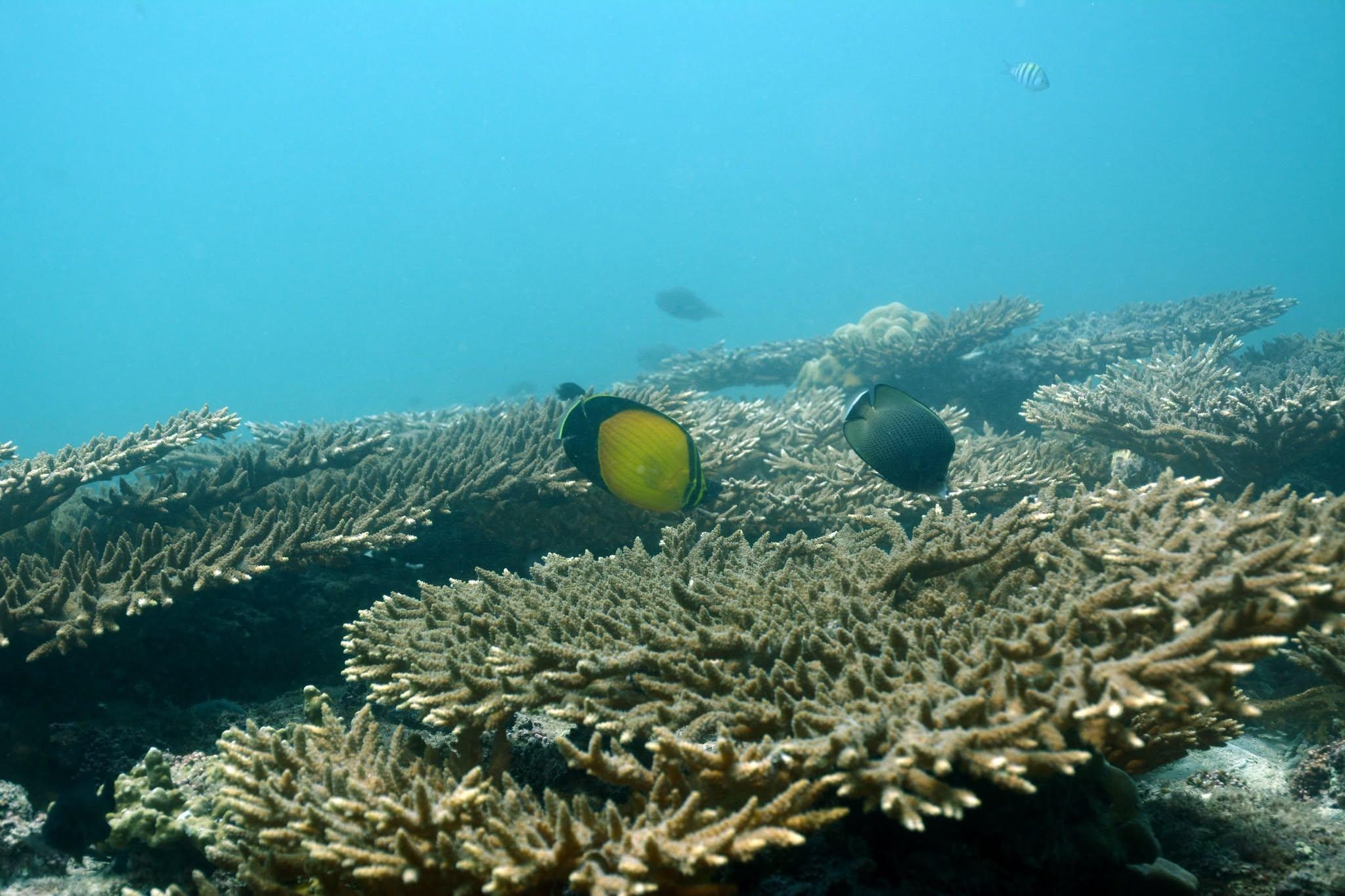
Scientists are exploring an intriguing possibility to help coral reefs withstand extreme heat: bacteria found naturally in the corals themselves. Coral reefs off the coast of Abu Dhabi are facing increasing threats from heatwaves, which cause them to bleach and die. To find a solution, researchers turned to corals' microbiome, the diverse community of bacteria living on and inside them.
While it was previously thought these microbes primarily benefited the coral by providing nutrients, a recent study published in Nature Microbiology suggests some bacteria could produce hormones that help corals cope with heat stress.
One particular bacteria type, Endozoicomonas, was found to produce hormones like testosterone and progesterone, which are not typically associated with bacteria but are essential for regulating the immune system in many other organisms. These hormones appear to keep the coral's immune system from overreacting during heat stress, preventing excessive energy consumption and ensuring the coral's survival.
This discovery could be a significant breakthrough for coral reef conservation, as healthy coral populations support a vast array of marine life, including endangered species like sea turtles, reef sharks, and clownfish.
The Persian Gulf, known for its extreme heat and saltiness, poses a particularly challenging environment for corals. During the peak summer months, temperatures can reach as high as 93.2°F (34°C). However, some coral colonies in this region showed remarkable resilience despite high temperatures, while others succumbed to bleaching. The researchers discovered that the healthy corals maintained a robust population of Endozoicomonas bacteria in their microbiomes, while the bleaching corals had lost this protective bacteria.
This study emphasizes the importance of understanding the complex interactions between corals and their microbiomes in the face of climate change. While the findings offer hope for developing new strategies to protect coral reefs, researchers must also consider potential risks, such as the possibility of increased susceptibility to opportunistic infections if the immune response is suppressed.
Nonetheless, the discovery of Endozoicomonas' hormone-producing capabilities opens up exciting possibilities for improving coral resilience and preserving these vital ecosystems for future generations.
Written by urgent.news from Vox's reporting — not their text. Machine-written — may contain errors; check the original before relying on it.