Colombia’s Traditional Dances, From Cumbia to Joropo
Colombia is a land of dance and music. Beyond worldwide and modern dances like salsa, there are numerous traditional dances deeply rooted in Colombia’s history, reflecting its indigenous, African, and Spanish influences. As Colombians celebrate their heritage through music and dance, they invite the world to join their rhythmic festivities. Cumbia: Colombia’s dance of courtship […]
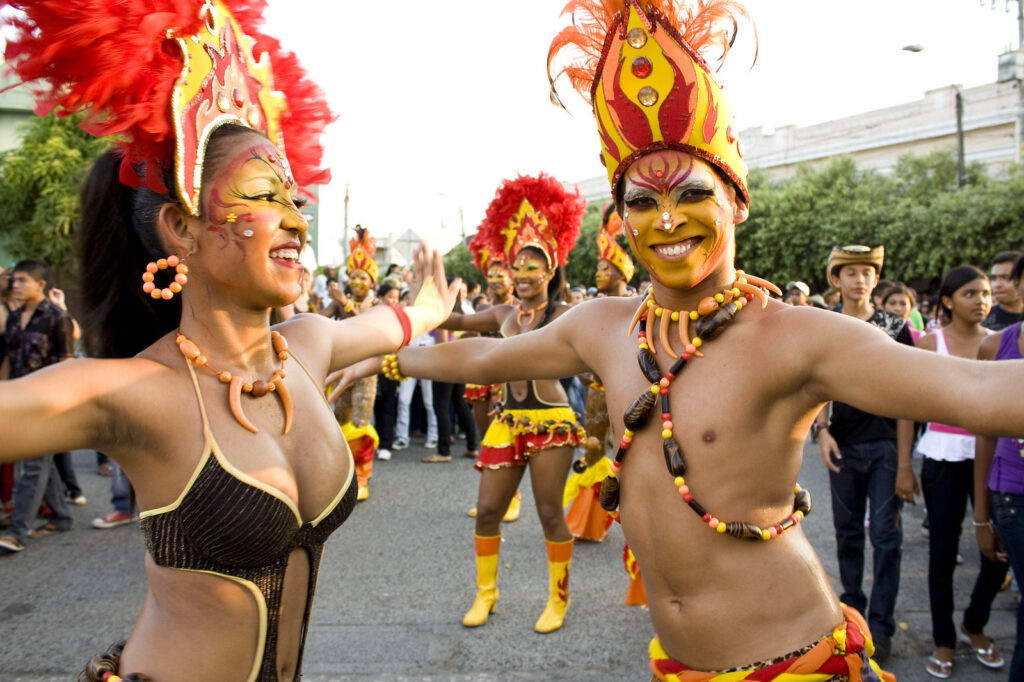
Colombia boasts a remarkable array of traditional dances, each a testament to the nation’s multicultural tapestry. While modern international dances like salsa enjoy global popularity, traditional Colombian dances carry the weight of indigenous, African, and Spanish heritage.
Cumbia stands as Colombia’s emblematic dance of courtship. Originating among indigenous communities, it showcases a dance of attraction and connection, with dancers moving in a graceful, seductive waltz. Accompanied by drums, flutes, and other traditional instruments, the rhythm of cumbia is infectious and captivating.
Mapale, a dance of Afro-Colombian origins, brings the energy and vibrancy of African culture to Colombia. High-stepping footwork and rapid hip movements characterize this dance, performed to the beat of drums and maracas. Vibrant costumes enhance the visual splendor of the performance.
Sanjuanero, named after the San Juan festivities in Huila department in 1936, epitomizes the elegance of Colombia’s Andean highlands. Dancers wear elaborate costumes reflecting the region’s cultural diversity, executing graceful footwork and intricate hand movements. Sanjuanero is often performed during festivals, particularly the San Juan Festival.
Bambuco, known as the “Dance of Love,” embodies the romantic spirit of Colombian courtship. Close embraces and sensual movements express the intimacy between partners. Bambuco’s romantic allure lies in its graceful and passionate execution.
Currulao, rooted in Colombia’s Pacific coast, reflects the region’s Afro-Colombian heritage. The dance’s strong, rhythmic movements mirror the ocean’s power and the resilience of its people. Traditional attire, including vibrant skirts and headwraps, adds to the visual impact. The percussion-driven music, featuring marimbas and drums, creates a captivating backdrop for the dance.
Joropo, the soul of Colombia’s plains, known as the Llanos, is a lively and exuberant dance. Male and female dancers showcase their agility and grace through intricate footwork. Accompanied by the harp, maracas, and cuatro (a small guitar-like instrument), the music of Joropo creates an unforgettable spectacle of energy and sound.
Written by urgent.news from Colombia One's reporting — not their text. Machine-written — may contain errors; check the original before relying on it.