Colombia’s Peace Agreement Marks 10 Years with Some Progress but Low Indicators
In November 2016, the government of Colombia and the FARC-EP guerrilla group signed a peace agreement that made it possible to end the armed conflict with this organization, which had lasted for more than half a century, and advance the disarmament of more than 14,100 people. Ten years later, although the agreement has achieved some […]
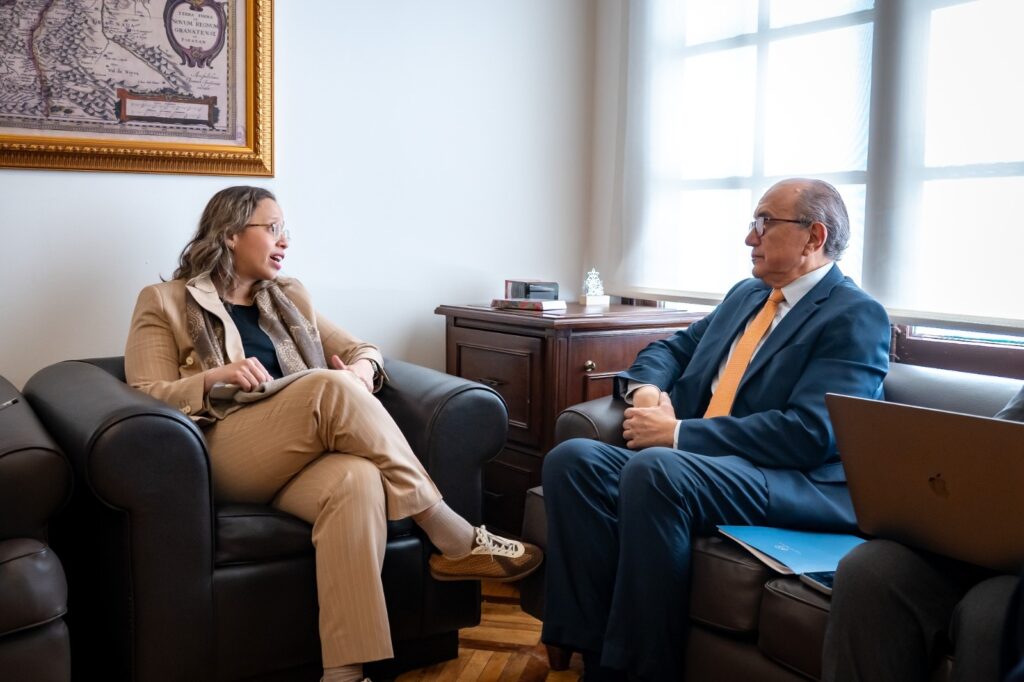
On November 11, 2026, Colombia's Ombudsman's Office released a report examining the state of the peace agreement signed between the Colombian government and the FARC-EP guerrilla group in 2016, marking the 10-year anniversary of the historic accord. While acknowledging some advancements, the report revealed ongoing challenges and threats to the peace process.
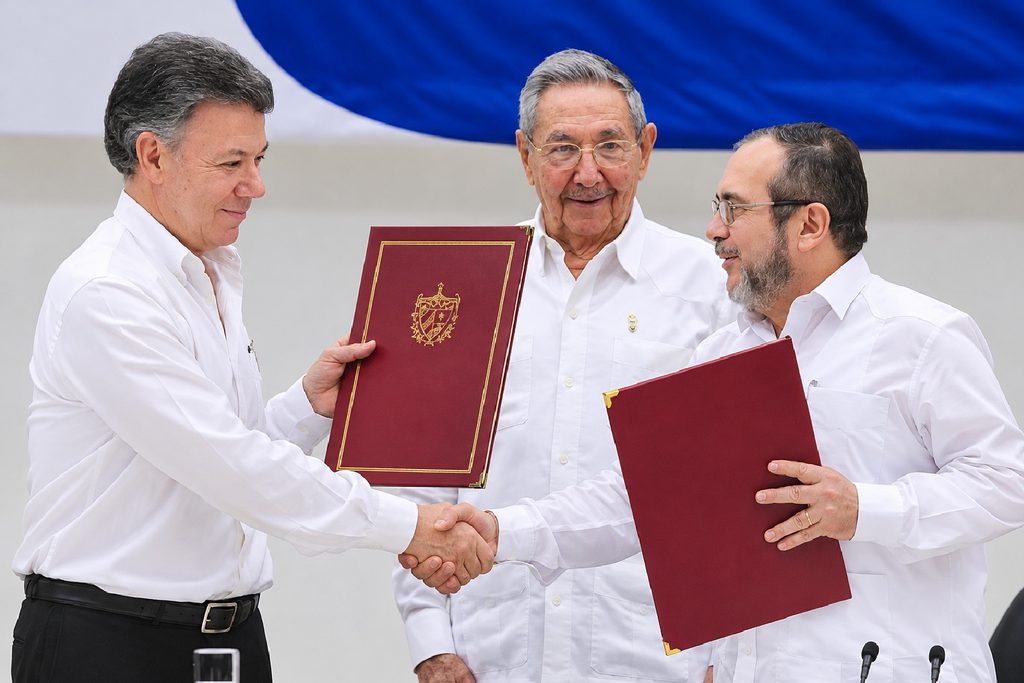
President Juan Manuel Santos and FARC leader Rodrigo Londoño signed the agreement in 2016, officially ending a conflict that had lasted for more than five decades and leading to the disarmament of over 14,100 individuals. However, the report highlighted alarming indicators, such as a high rate of murders of human rights defenders and displaced persons.
Between January 2016 and June 2026, 1,743 human rights defenders were murdered, and 521 peace agreement signatories met similar fates. The Early Warning System reported 396 municipalities and 15 Indigenous territories facing risks, with 107,924 people affected by mass displacement and 128,825 under confinement as of July 2026. The State Response Index, measuring compliance with early warning recommendations, stood at 57.14%.
Moreover, only 4.6% of recognized collective reparation subjects had completed their plans, and just 2.9% of return, relocation, and local integration plans had been fully implemented. The report also pointed out the need for stronger prevention and protection measures and effective participation of vulnerable groups in decision-making processes.
Despite these challenges, the peace agreement has seen some positive outcomes, such as 10,943 people remaining engaged in the reincorporation process, nearly 7,000 signatories completing high school, and 6,206 productive projects developed. Additionally, rural poverty reduced from 47.2% in 2018 to 26.1% in 2025, and nearly 3.35 million hectares of land have been formalized under the Development Programs with a Territorial Focus.
However, the Ombudsman's Office called for further improvements in implementing peace agreement commitments and ensuring robust protection for victims' rights.
Written by urgent.news from Colombia One's reporting — not their text. Machine-written — may contain errors; check the original before relying on it.