Brick houses are disappearing from America’s new construction: ‘Nobody got paid for how long a house would last’
Brick or brick veneer now covers just 16.8% of new homes. Real structural brick walls are rarer still, as builders trade permanence for speed.
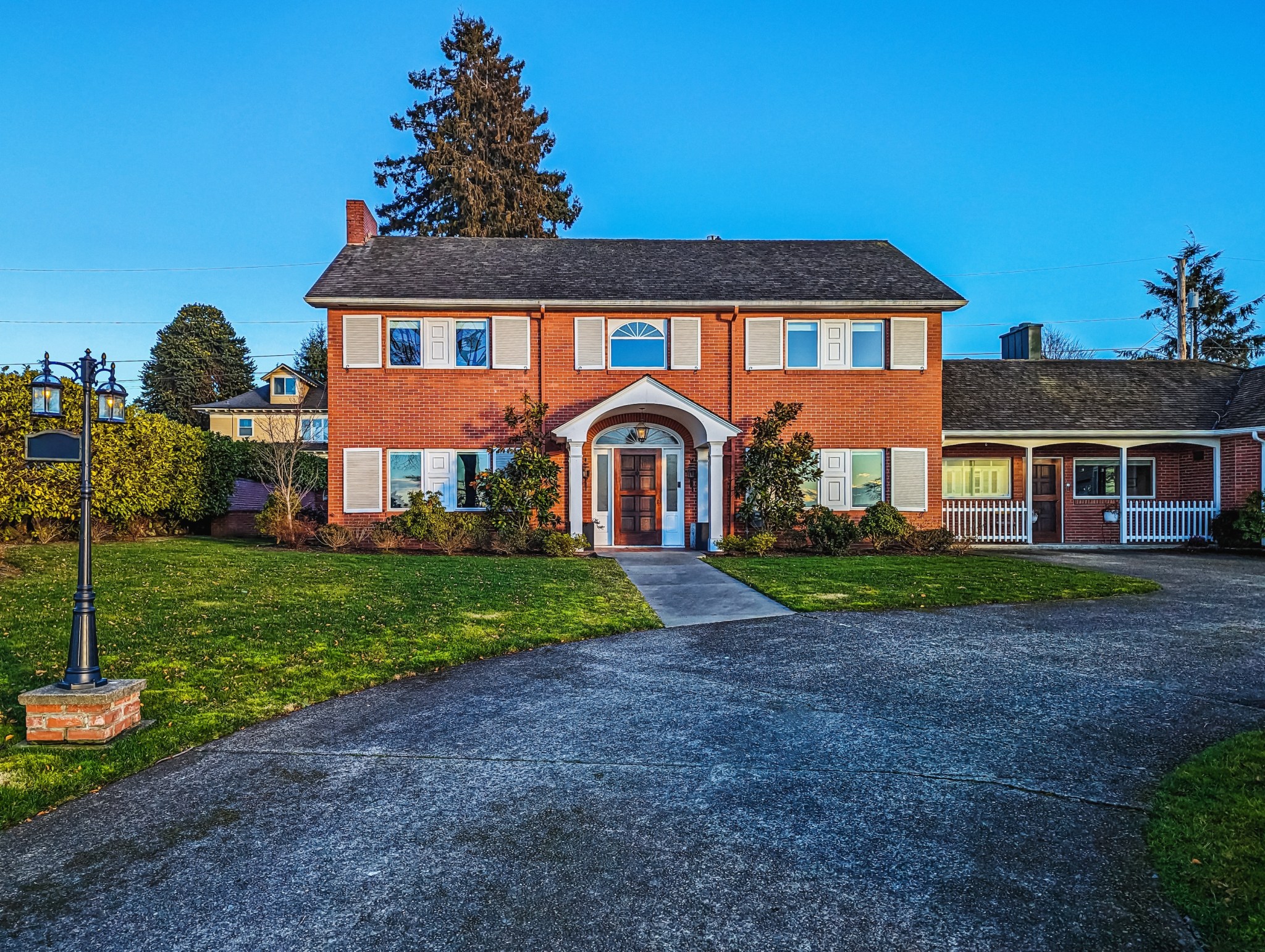
New homes in America have increasingly abandoned traditional brick construction in favor of wood framing, prompting concerns about the longevity and quality of the dwellings. Brick, once a common material for the main structure of single-family homes, now only accounts for 16.8% of new homes started in 2025, down from 25% in 2012 according to a National Association of Home Builders analysis of Census data.
Builders switched to wood framing after World War II when there was a need for affordable and quick construction of large numbers of homes. Wood framing can be assembled by crews with less specialized training and moves much faster than laying individual bricks. Matt DiBara, CEO of DiBara Masonry and a fourth-generation stonemason, noted that the shift was driven by cost and speed, as brick construction requires skilled workers to lay bricks one at a time.
The change has led to some unintended consequences. Brick veneer allows builders to maintain the appearance of masonry without relying on it to support the structure. However, this has resulted in homes that may not last as long as those built with real brick. Masonry walls offer fire resistance and longevity, which wood-framed veneer cannot replicate. Fire investigators have noted that wood-framed houses with brick veneer are more vulnerable to fire damage.
Moreover, the specialized trade of bricklaying has become harder to find, as the labor pool has shrunken. Brick construction requires years of training, while wood framing is easier to standardize. As a result, skilled brick masons are becoming harder to find, both regionally and nationally.
Despite these concerns, the median price of a new home has dropped to $400,400 in September, the lowest in almost 50 years, as builders focus on producing cheaper, smaller houses to meet the affordability crisis. However, experts warn that homeowners may be sacrificing some of the benefits that traditional masonry construction provides.
Written by urgent.news from Fortune's reporting — not their text. Machine-written — may contain errors; check the original before relying on it.