Blood-thinning drug limits cartilage damage and relieves osteoarthritis pain
A study in animals suggests a drug used to thin blood might eventually be able to slow down the development of osteoarthritis. Currently, there are no approved drugs capable of doing this
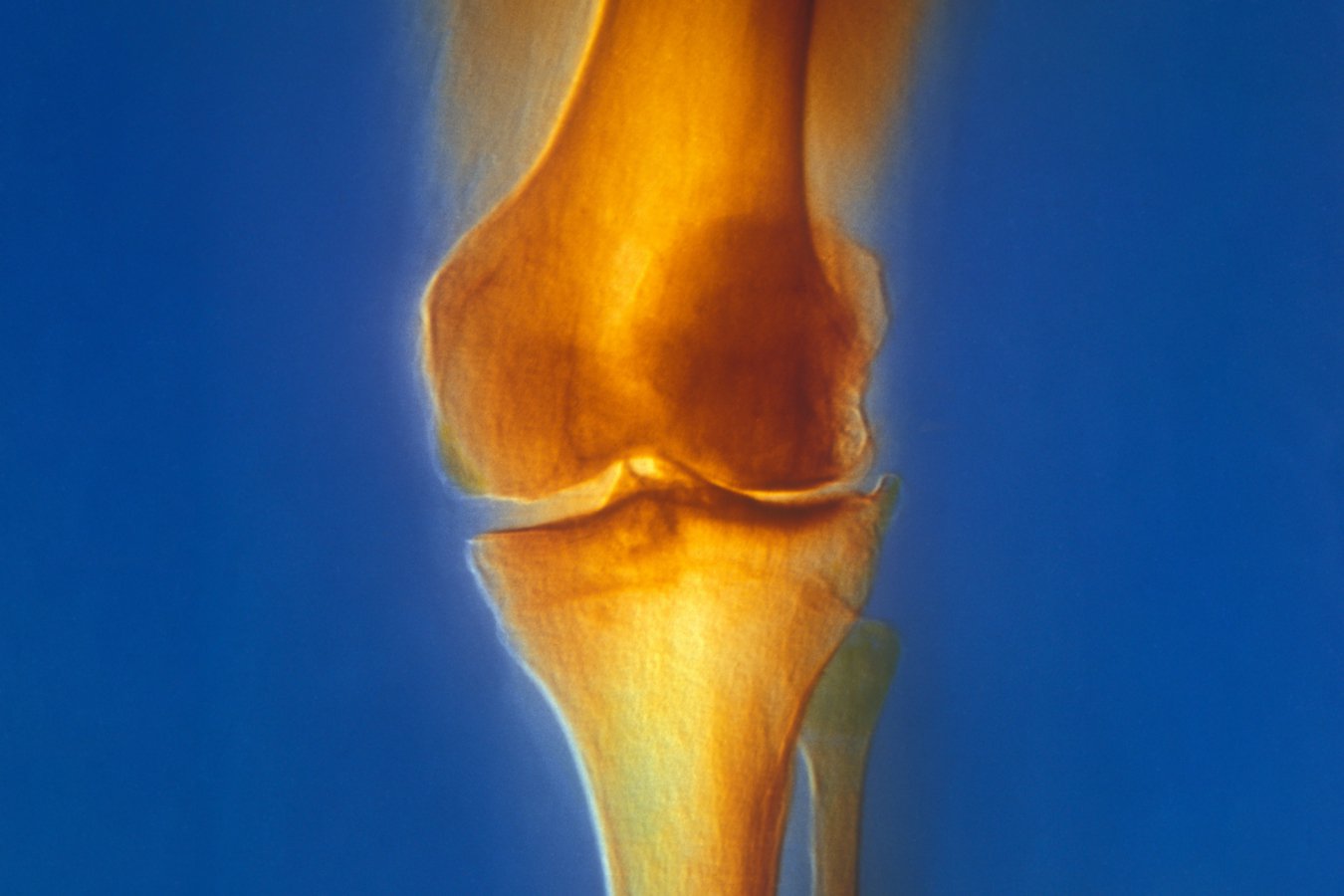
A blood-thinning medication called dabigatran has shown promise in limiting cartilage damage and alleviating pain associated with osteoarthritis in animal studies. Osteoarthritis, affecting over 500 million people worldwide, is caused by cartilage wear and tear, resulting in inflammation, pain, and stiffness. Existing treatments like painkillers and anti-inflammatory drugs only provide symptom relief, not a cure.
Researchers at Yale University investigated whether targeting both inflammatory molecules TNF-alpha and IL-1-beta with dabigatran, commonly used to prevent blood clots, would be more effective than targeting each molecule individually. In a study involving monkeys with surgically-induced knee osteoarthritis, those receiving daily doses of dabigatran showed a 60% thicker left-knee cartilage and a 15% greater range of motion compared to control monkeys after seven months.
This suggests that dabigatran reduces cartilage damage and slows osteoarthritis progression. In mice studies, dabigatran also reduced knee inflammation by approximately 60%. While the findings are promising, it remains unclear whether the drug can reverse existing damage. Additionally, the risk of increased bleeding due to dabigatran's blood-thinning properties requires further exploration, including the development of alternative drugs that target TNF-alpha and IL-1-beta without compromising clotting.
Written by urgent.news from New Scientist's reporting — not their text. Machine-written — may contain errors; check the original before relying on it.