Before the SS United States becomes a reef, 10 lessons from artificial reefs
Do artificial reefs work? Okaloosa County's plan for the SS United States raises the question, and 10 points from oil rigs to tire dumps help answer it
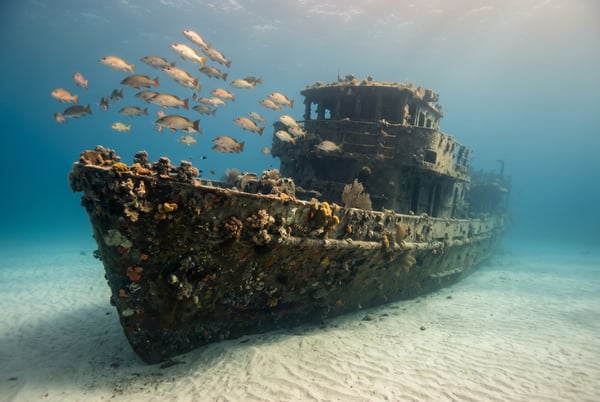
The SS United States is scheduled to be sunk off the coast of Florida on Wednesday, coinciding with Veterans Day. Upon its sinking, the historic ocean liner will become the world's largest artificial reef.
The ship is a piece of maritime history that was christened in 1952 and was designed with the capacity to transport thousands of troops during wartime. During its maiden voyage, the vessel broke the transatlantic speed record in both directions with an average speed of 36 knots. It completed the Atlantic crossing in three days, 10 hours, and 40 minutes, beating the previous record held by the RMS Queen Mary by 10 hours.
The SS United States still holds the transatlantic speed record for an ocean liner more than seven decades later.
As Okaloosa County proceeds with the plan for the SS United States, Quartz notes that the project raises questions regarding the effectiveness of artificial reefs, drawing comparisons to examples such as tire dumps and oil rigs.
Brief written by urgent.news from Quartz, The Economic Times — 2 reports on this story. Machine-written — may contain errors; check the original before relying on it.
This story
This is one outlet's version. Read the fullest account.
- SS United States: Why the historic ship is sinking economictimes.indiatimes.com
- 9 things to know about sinking the SS United States as an artificial reef qz.com