AQI capped at 500? CPCB explains why official monitors missed Delhi’s peak Diwali smog
Concerns were being raised over apparent data gaps at certain Delhi monitoring stations, a perceived AQI “cap” of 500, and glaring differences between official values and those shown by private platforms.
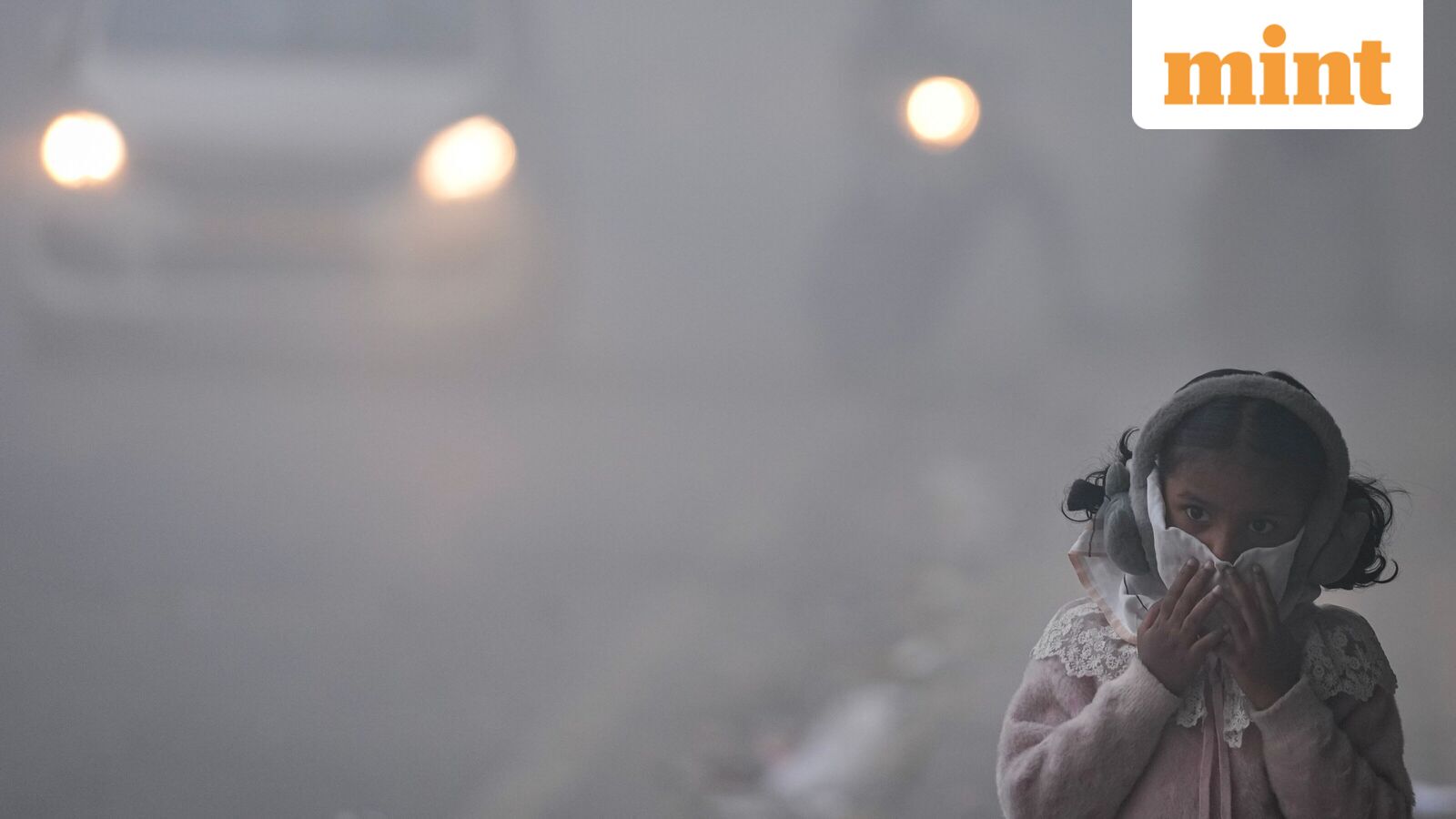
The Central Pollution Control Board (CPCB) has clarified that discrepancies between its official Air Quality Index (AQI) data and those from private air quality apps are due to scientific methodology and hardware limitations, not deliberate under-reporting. The clarification comes in response to media reports questioning the CPCB's AQI reporting during and after Diwali, which highlighted concerns over data gaps at certain Delhi monitoring stations and an apparent "cap" of 500 on the AQI.
The board explained that older particulate matter analysers, which were calibrated to measure up to 1,000 micrograms per cubic metre, treat readings above this range as errors, thus excluding those hours from the 24-hour average. This limitation can result in apparent gaps in the official data during extreme pollution events, such as Diwali firecracker bursting.
Additionally, private apps often react to sharp hourly pollution spikes, while the CPCB's National Air Quality Index (NAQI) reflects exposure over the preceding 24 hours, explaining why private apps may show higher AQI values. The CPCB emphasized that the NAQI converts complex pollutant data into a single, color-coded index value to effectively communicate long-term health risks to the public.
Brief written by urgent.news from Live Mint's own syndicated text. Machine-written — may contain errors; check the original before relying on it.