A New Benchmark for De-Aging Comes From Slowly Turning Back Cells’ Clocks
Researchers in Germany gradually reversed human cells’ ages by decades. By doing so, they could track the de-aging process in a way previous rejuvenation experiments could not.
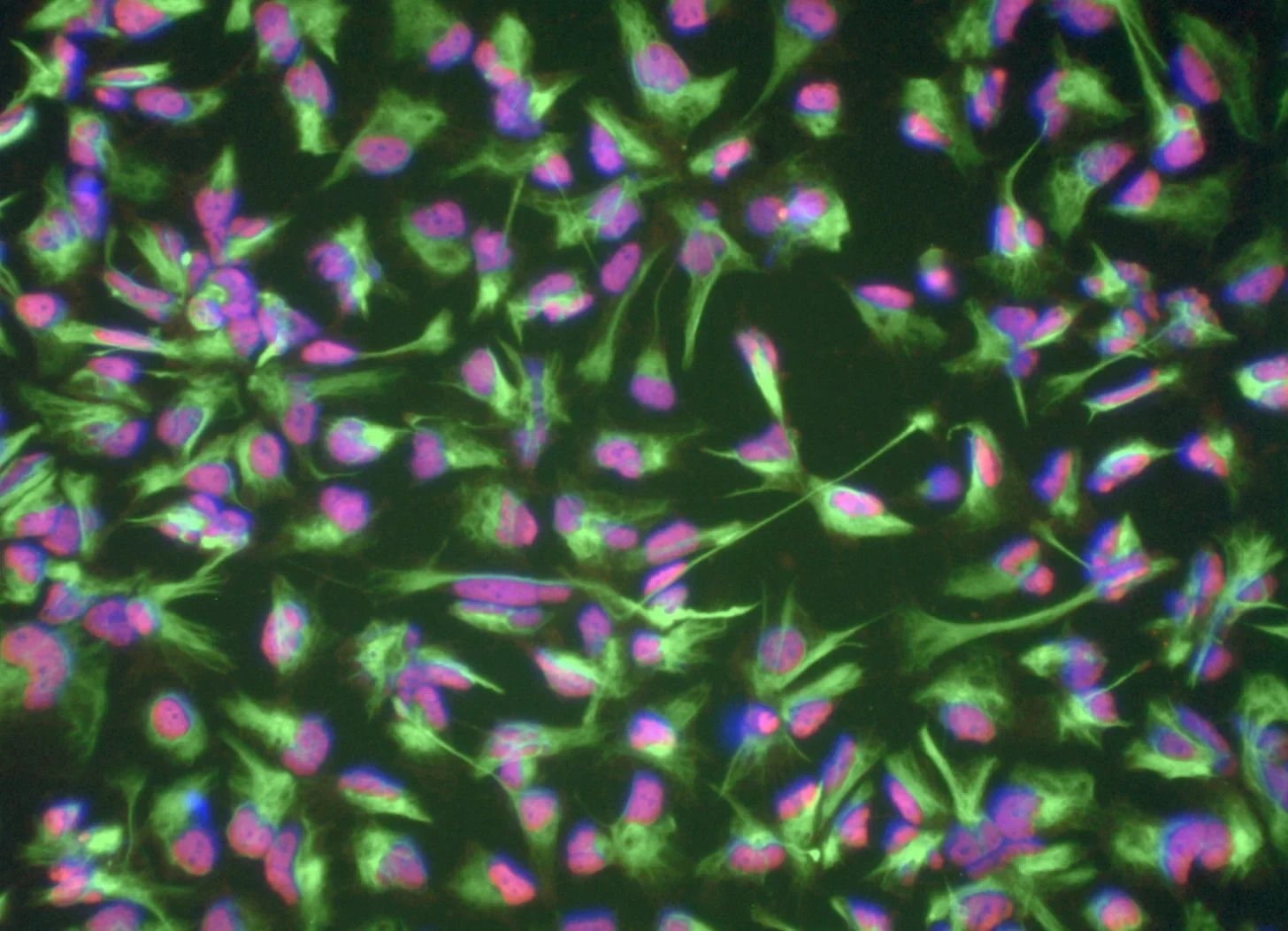
Scientists have discovered a novel method to de-age cells without transforming them into pluripotent stem cells. Researchers from Germany's Bonn University, led by Professor Oliver Brüstle, analyzed blood cells from individuals of different ages, including an infant and a 101-year-old donor. They successfully guided these cells into a younger state, without converting them into embryonic-like stem cells.
Throughout this process, the cellular biomarkers that estimate a cell's age altered, with one biomarker reverting up to 60 years in under two months. This de-aging effect persisted even when the cells' multiplication capacity was significantly diminished. However, the exact mechanism responsible for this aging reversal remains unknown.
Brüstle and his team aim to uncover this mechanism to apply the process systemically in animals, with the goal of eventually testing it in humans. Another intriguing aspect of the study is its potential for regenerative medicine, as the scientists transformed blood cells into neurons. While this could lead to overestimation of age reversal due to the differing aging rates of blood cells and neurons, it offers valuable insights for other regenerative medicine applications.
A notable achievement of this research is the deep understanding it provides into the de-aging process. Traditionally, creating stem cells has been a swift process, limiting the opportunity to study cells as they shed age-related markers. By gradually reversing the cells' biological clocks, scientists can now closely examine each stage of de-aging, paving the way for further investigation into the mechanisms behind aging reversal.
Written by urgent.news from Wired's reporting — not their text. Machine-written — may contain errors; check the original before relying on it.

