64% of Ghanaians oppose creation of new districts – CLGA survey
A survey by the Centre for Local Governance Advocacy (CLGA) has found that 64 per cent of respondents believe Ghana's 261 Metropolitan, Municipal and District Assemblies (MMDAs) are sufficient and do not support the creation of additional districts.
A survey conducted by the Centre for Local Governance Advocacy (CLGA) reveals that 64 percent of Ghanaians oppose the creation of new districts, with existing Metropolitan, Municipal and District Assemblies (MMDAs) deemed sufficient. The findings suggest a lack of public enthusiasm for expanding Ghana's local government structure, instead focusing on the resource availability and institutional capacity of existing assemblies.
The survey also highlights concerns about political influence in the decentralisation process, with 81 percent of respondents attributing significance to political interference in the formation of new districts.
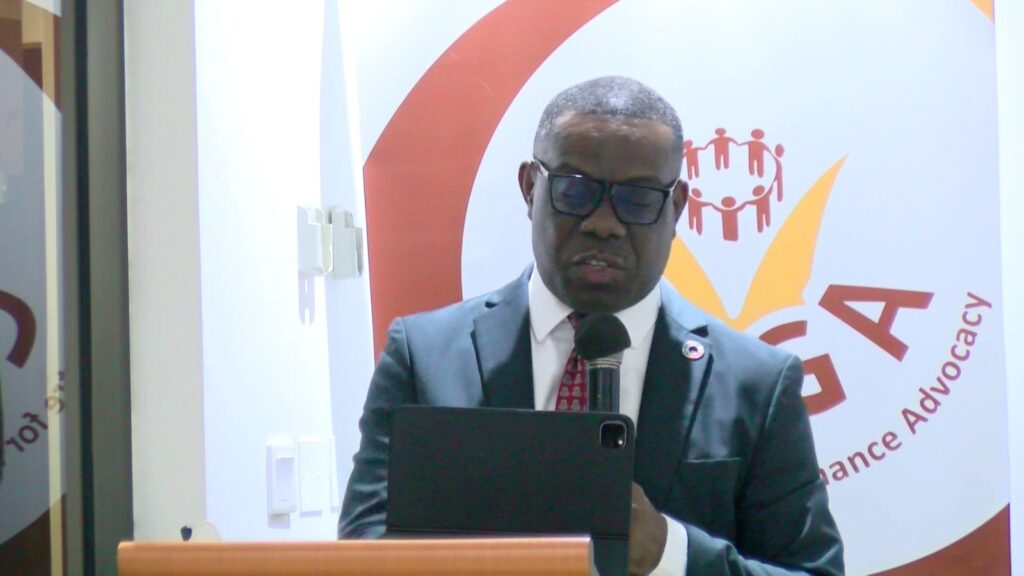
Dr Eric Oduro Osae, CEO of the Institute of Chartered Accountants, Ghana, questions the logic behind establishing additional districts, arguing that expanding administrative units does not guarantee enhanced local economies or improved development. He stresses that the capacity of existing assemblies to deliver essential services should be evaluated before any decision on expanding the country's administrative structure.
"A new district does not automatically result in a stronger local economy, a functioning health facility, reliable water supply, better roads, improved schools, or increased employment opportunities," Osae explains.
Isaac Owusu, Head of Research at CLGA, led the survey and noted that the results reflect growing citizen concerns regarding Ghana's decentralisation process and the priorities behind the creation of new districts. About 64 percent of respondents oppose the formation of more districts, while 87 percent advocate for a halt in the establishment of new ones.
Owusu also points out that 81 percent of respondents believe political interference plays a role in decisions to create new districts. He emphasizes that the study raises questions regarding whether the decentralisation process is guided primarily by community development needs or political considerations.
The survey contributes to the ongoing discussion about the effectiveness of Ghana's decentralisation system in fostering better local governance, enhanced public services, and community-level development.
Written by urgent.news from MyJoyOnline Ghana's reporting — not their text. Machine-written — may contain errors; check the original before relying on it.