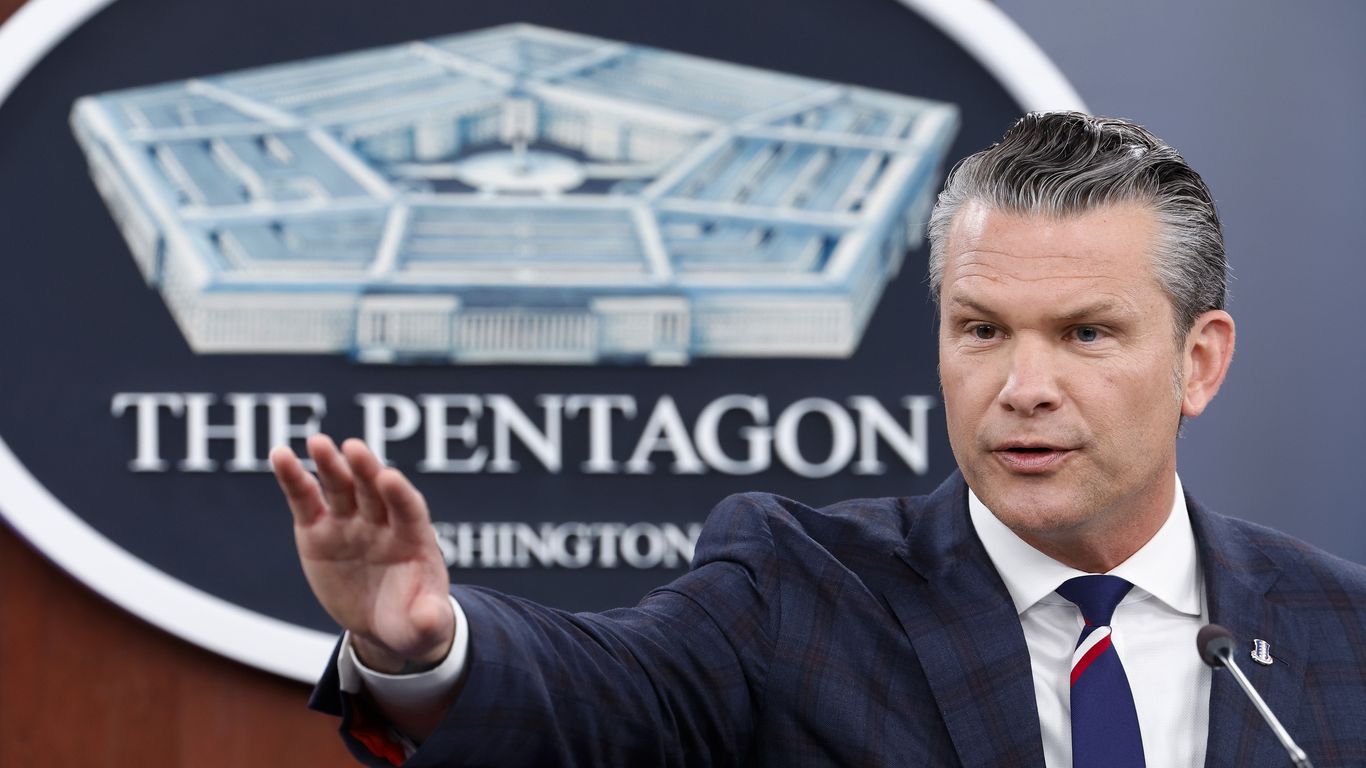
With Jensen Huang under fire, Nvidia looks at sucession plans
The controversy over Nvidia CEO Jensen Huang’s improper relationship with a Chinese citizen has raised national security concerns for the US.
The controversy surrounding Nvidia founder and CEO Jensen Huang has prompted questions about the future leadership and succession planning at the company. With a valuation of $4 trillion, Nvidia ranks second only to Apple in terms of market value. A report in The Wall Street Journal indicates that Huang runs a flat leadership structure with approximately 60 direct reports, and there appears to be no clear second tier of leadership or potential successors within the company.
This has become a significant concern for Nvidia as Huang faces scrutiny over his improper relationship with a Chinese national, Alice Huang, who is alleged to be a spy for the Chinese government. This relationship allegedly facilitated China's access to Nvidia's high-end processors.
U.S. President Donald Trump has defended Huang, describing him as an honorable man, while the FBI is investigating their relationship. Additionally, the U.S. Congress is expected to seek information regarding the nature of the relationship and whether sensitive technology was passed to China, bypassing regulations. However, Nvidia's spokesperson maintains that Huang remains committed to continuing as CEO without interruption, and the company's board has stated that it will investigate the matter.
The leadership question arises amid national security concerns stemming from Huang's relationship with the Chinese citizen. This issue brings government scrutiny into play, presenting a unique challenge for a corporation typically facing business challenges, shareholder dissatisfaction, or the health of the CEO. Jensen Huang has built a larger-than-life persona not only for Nvidia but also for the AI world, being viewed as an influential figure shaping new policies in the AI industry.
He is also well-connected with heads of state across the globe. Notably, Huang's children, Madison and Spencer Huang, work at Nvidia, as does his son-in-law, Nico Caprez.
Given these circumstances, it remains challenging to predict Nvidia's future direction, as several factors are at play. While the improper relationship is one aspect, the more significant concern is whether sensitive technology was unlawfully acquired by a foreign country. Nonetheless, industry observers see this as a proxy fight between the United States and China to gain the upper hand in the AI world.
China appears to be rapidly closing in on the United States in terms of technological prowess, potentially surpassing it.
Written by urgent.news from YourStory's reporting — not their text. Machine-written — may contain errors; check the original before relying on it.