Why electrification is the climate game changer we need
From EVs and electric buses on the road, heat pumps warming homes and solar panels powering appliances, the shift to electrifying tech is already in full swing. But what exactly does 'electrification' mean?
Electrification is emerging as a critical climate solution, with the potential to slash energy costs and diminish reliance on fossil fuels. This transition could result in significant savings for fuel-dependent nations, reducing energy import bills by more than $400 billion (€357 billion) by 2035, according to the International Energy Agency (IEA).
Electrification involves replacing fossil fuel-based technologies with electric alternatives, including the shift from diesel cars to electric vehicles (EVs) and the adoption of electric heating through heat pumps. However, the source of electricity is crucial, as power generated from coal-heavy grids could be more detrimental to the climate than gas-powered alternatives.
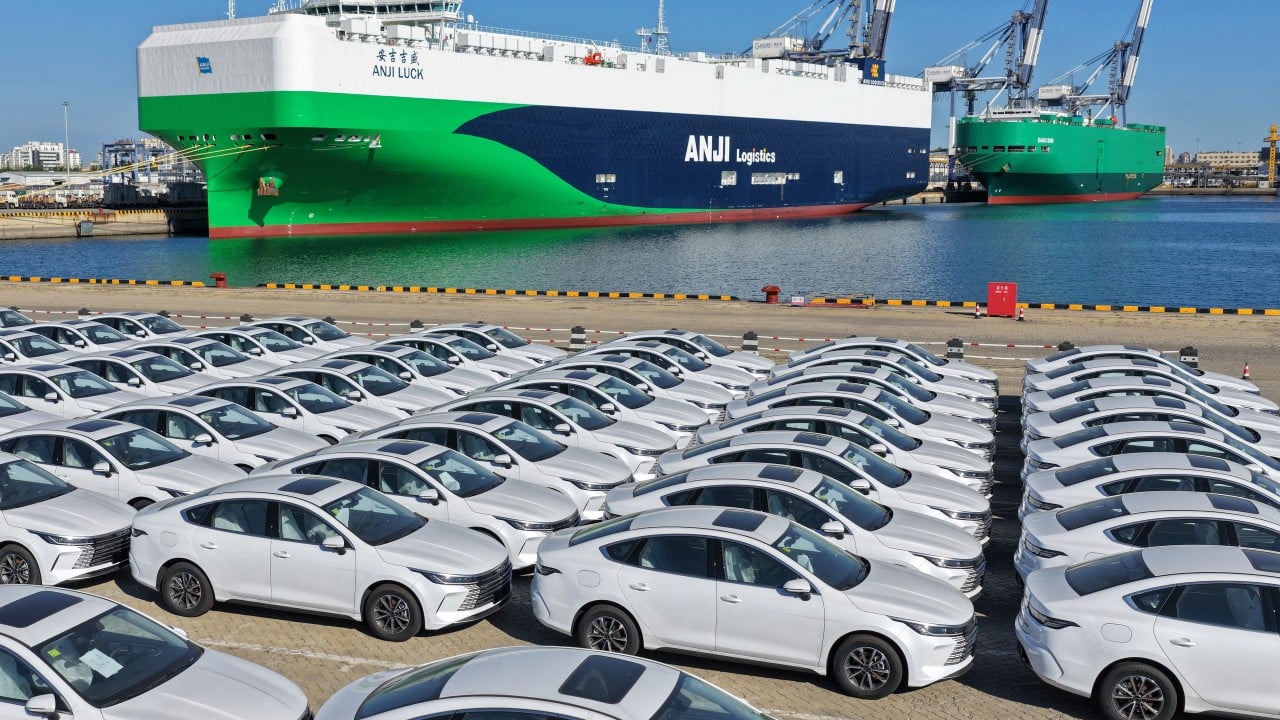
The EV market is growing rapidly, with one in four cars sold in 2025 being electric, and international sales increasing by almost 600% since 2020. Yet, electricity currently accounts for only about 20% of global final energy use. To achieve the goal of electrifying more than half of the world's power supply by 2050, the electricity sector must supply a substantial increase in energy.
While electrification offers advantages such as reduced greenhouse gas emissions, lower long-term costs, and increased efficiency, not all industries can easily transition to electric alternatives. Some sectors, like petrochemicals and steel production, rely heavily on fossil fuels for raw materials. For these hard-to-electrify industries, alternative low-carbon options like hydrogen and synthetic fuels may be more viable.
Despite the challenges, electrification represents a significant step towards a cleaner, more efficient, and sustainable energy future. However, the infrastructure required to support widespread electrification needs significant expansion, with annual grid investments expected to increase by around 50% by 2030. Smarter grids capable of handling increased electricity demand through two-way energy flow, while maintaining security and stability, are essential for the successful rollout of electrification initiatives.
Written by urgent.news from DW News's reporting — not their text. Machine-written — may contain errors; check the original before relying on it.
This story
This is one outlet's version. Read the fullest account.