When a Gun Owner Shows Early Signs of Dementia
Public health experts are finding ways to encourage firearm safety practices for older adults who own guns, especially when there are indications of cognitive decline.
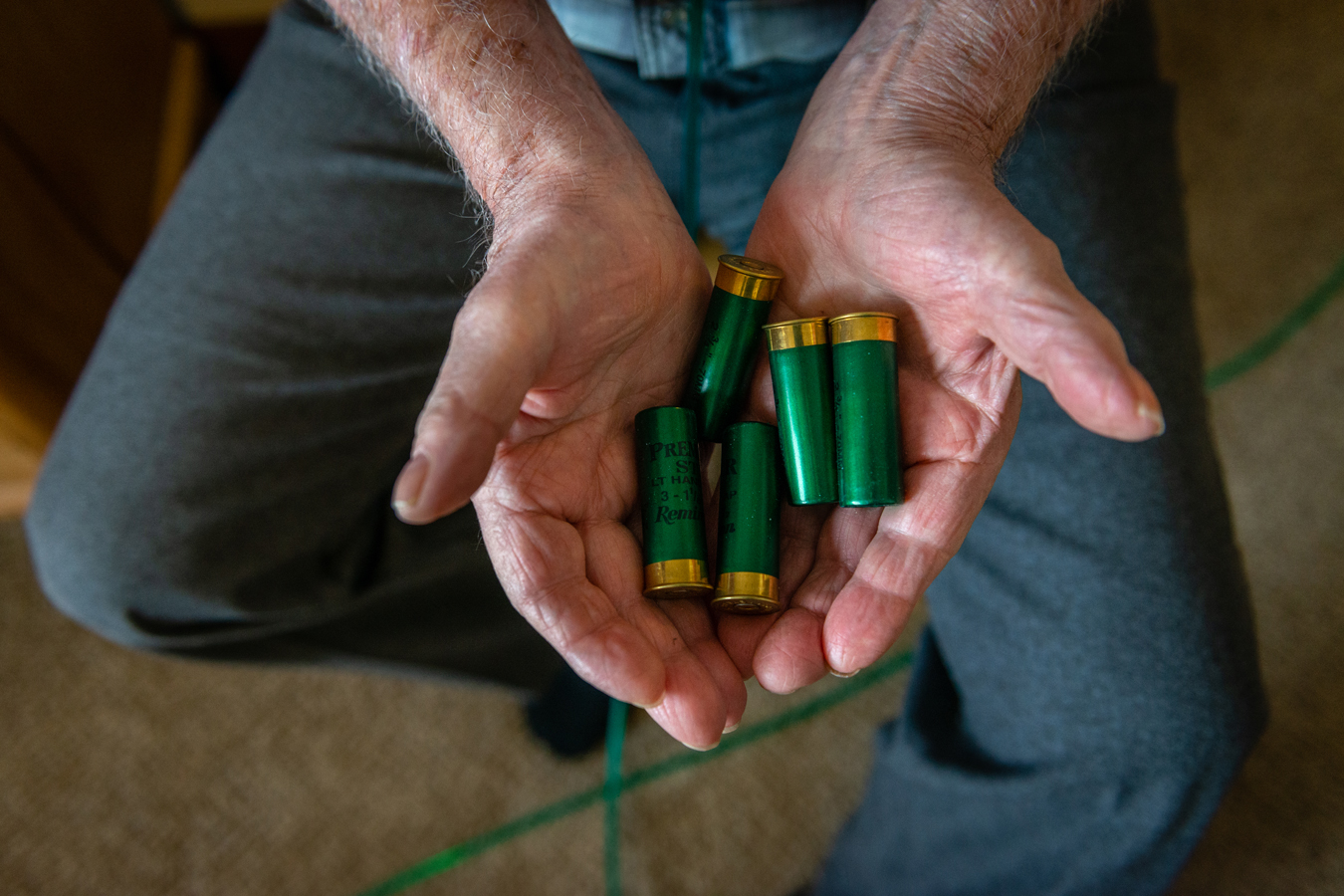
When a 72-year-old retired health administrator from near Seattle was interviewed about his firearm safety, a firearms researcher at Ohio State, Laura Prater, discovered he had mild cognitive impairment, a precursor to dementia. He also had depression. The retired administrator kept a shotgun and a .45-caliber pistol, both loaded and accessible, in his home. Prater viewed this situation as alarming but not uncommon, as at least a third of people with dementia have access to firearms.
Older adults, especially those with cognitive decline, pose a significant risk due to firearm-related deaths, with 8,226 Americans aged 65 and older dying from firearms in 2024. Most of these deaths are suicides. Researchers are exploring ways to reduce these numbers by discussing the risks and promoting safe storage practices, such as keeping guns unloaded and locked in secure locations.
However, convincing gun owners to relinquish their weapons can be challenging, as they often see their firearms as a means of protection. Instead, a "harm-reduction" approach that focuses on safe storage and provides affordable safety devices like trigger locks and lockboxes is more effective.
While older adults with dementia are at higher risk for suicide, unintentional firearm discharge, or mistaken shootings, those with "subjective cognitive decline" – a gradual worsening of memory and confusion – face similar risks. A survey found that a third of people aged 65 and older with this condition reported having guns in their homes, and a quarter of them lacked secure storage.
This is a higher proportion than among those with normal cognition. Early conversations with healthcare professionals about access and storage can help mitigate these risks, as patients are more likely to make informed decisions about their firearms at this stage.
Written by urgent.news from KFF Health News's reporting — not their text. Machine-written — may contain errors; check the original before relying on it.