What is the 'Dead Internet Theory' and should humanity be worried?
As AI-generated content takes over the internet, will human beings still be able to connect online with other humans in a meaningful way?
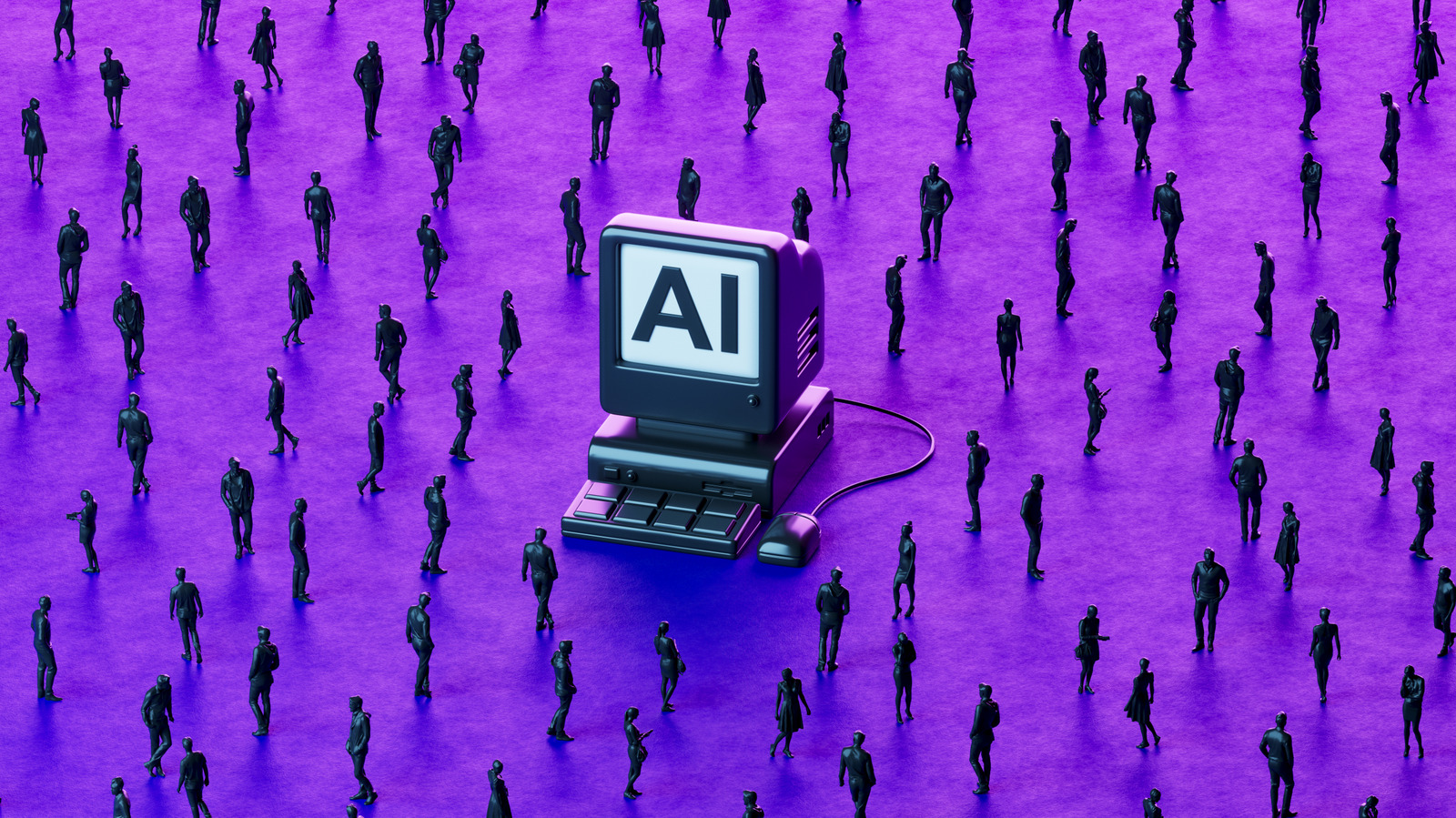
The Dead Internet Theory posits that the majority of the internet is now dominated by non-human activity, including bots and AI-generated content. This idea gained traction in the late 2010s on internet forums and became more concrete with a 2021 post on Agora Road, which argued that the internet had become "empty and devoid of people" around 2016.
The theory suggests that as AI technology has advanced, bots now account for a significant portion of online traffic. In September 2026, OpenAI reported solving the Navier-Stokes problem, while a 2026 report from cybersecurity firm Thales found that bots made up 53 percent of web traffic, up from 51 percent the previous year. Meta's acquisition of Moltbook, a social network where AI chatbots communicate, further illustrates the trend.
The theory posits that as this happens, the internet becomes less human-centric, leading to a feeling of disconnect and unease. The consequences extend beyond personal discomfort, as bots can spread disinformation and influence elections with little regulatory oversight. Despite growing concerns, AI use continues to increase, with nearly half of Americans using chatbots like ChatGPT, Gemini, or Copilot by 2026.
This has led to chatbot loops in various aspects of society, such as students writing essays with AI and employers using chatbots for job applications. The backlash against AI has grown, with 40 percent of Americans fearing negative societal impacts in the next 20 years. Efforts to detect AI-generated content are also on the rise, with companies like Pangram receiving significant funding to develop AI detection systems.
The EU AI Act and OpenAI's watermarking efforts aim to help people distinguish between human and artificial content.
Written by urgent.news from Engadget's reporting — not their text. Machine-written — may contain errors; check the original before relying on it.