Were there 'lost cosmonauts' in the early Soviet space program?
At the height of the Cold War, two amateur radio operators alleged they intercepted signals from Soviet cosmonauts who perished during missions that remained secret.
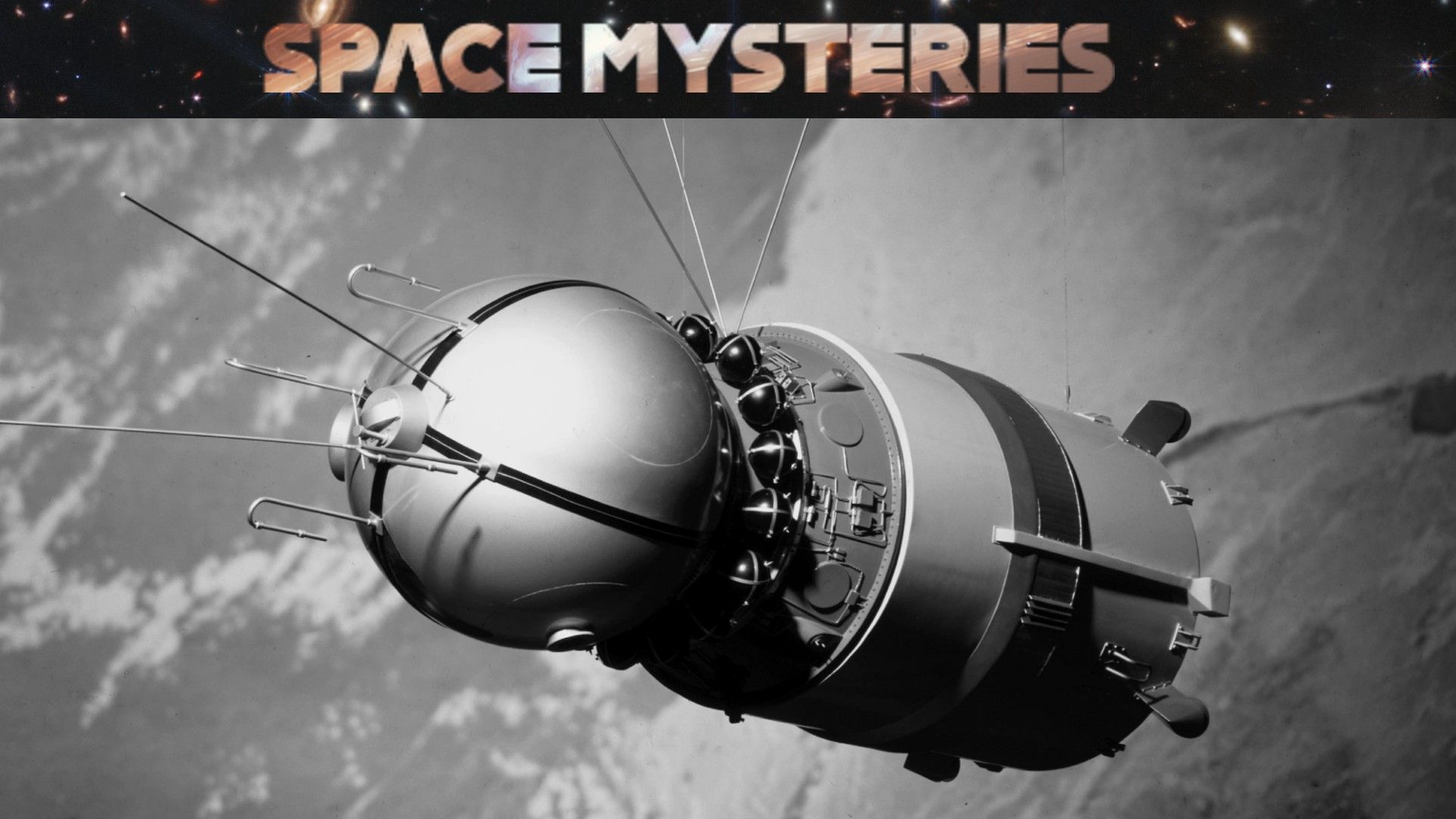
In November 1960, Italian brothers Achille and Gian Battista Judica-Cordiglia were monitoring radio transmissions from a rooftop listening station in Turin, when they detected a mysterious signal. This signal, carrying the Morse code distress signal "SOS," seemed to grow weaker, leading the brothers to speculate that the signal's source might be moving away from Earth, possibly indicating a Soviet spacecraft with a cosmonaut on board.
The brothers, who were fascinated by space, had built an improvised radio tracking station, named Torre Bert, from salvaged military equipment. Their location in northern Italy was advantageous for intercepting signals from Soviet spacecraft. By late November, they reported detecting an unidentified satellite in orbit, which sparked speculation about an undisclosed Soviet mission.
The Judica-Cordiglia brothers claimed to have intercepted other unknown transmissions, including what they described as "labored breathing" and "beating hearts" in space, though these claims have never been substantiated. Despite the lack of evidence, the brothers' story contributed to the enduring mystery of supposed lost Soviet cosmonauts, suggesting that some space missions remained hidden from public knowledge.
Written by urgent.news from Space.com's reporting — not their text. Machine-written — may contain errors; check the original before relying on it.