Ukraine has reportedly tested air-launched interceptors at the edge of space. The missile is the easy part
Such missile defenses in the cold of space could stop Russia's Oreshnik. But that doesn't mean those defenses will be ready any time soon.
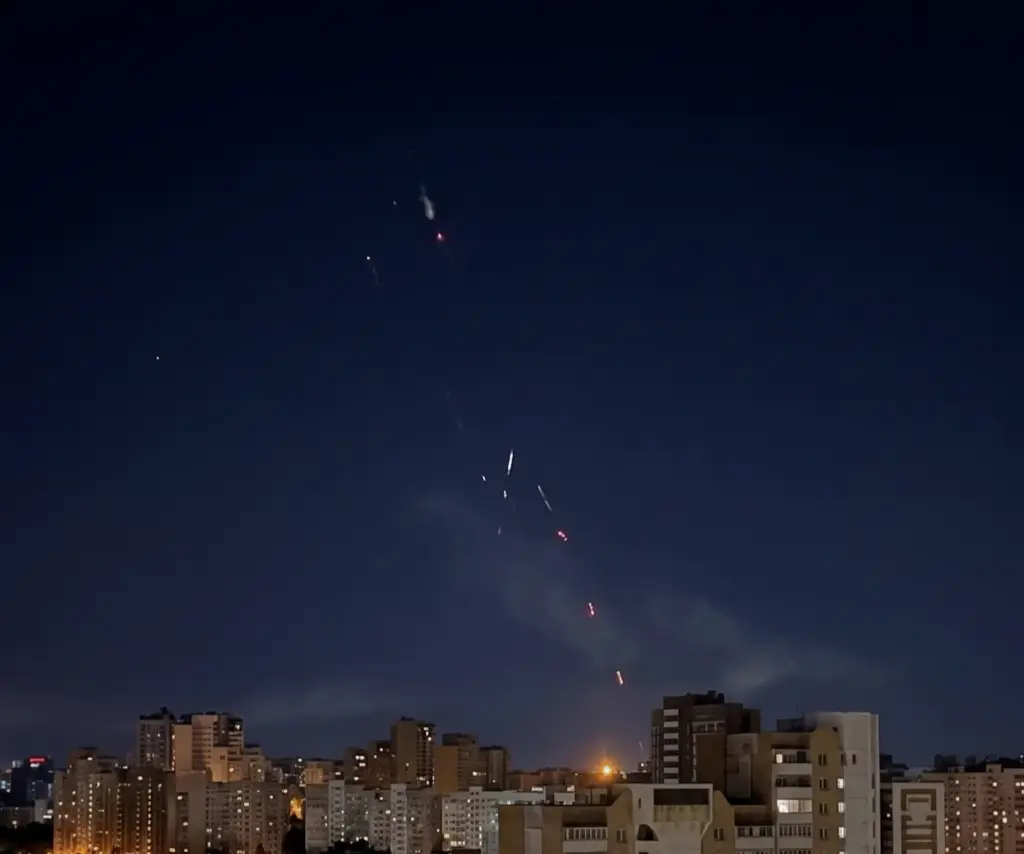
Ukraine has reportedly conducted three exo-atmospheric missile defense tests, potentially placing the nation in a select group of countries capable of countering powerful enemy ballistic missiles. However, Ukraine's industrial capabilities may not be sufficient for the complex thrusters and sensitive seekers required for these interceptors.
Over the past two months alone, Russia has launched four Oreshnik missiles, each equipped with six kinetic energy warheads, into Ukraine, with the most recent strikes occurring in May. The Oreshnik missile, a Russian intermediate-range ballistic missile, can reach the Kármán Line, the boundary between Earth's atmosphere and outer space, making it a significant threat that currently eludes Ukraine's defenses.
The exo-atmospheric interceptor, akin to the American Terminal High Altitude Area Defense system's Talon interceptor, could potentially counter lighter missiles like the Russian Iskander. Ukraine may join the Netherlands in developing the Bliksem project, a new exo-atmospheric missile defense system tailored for European users. Developing such a system, however, is an immense challenge due to the precision required in detecting and maneuvering the interceptor in the harsh conditions of space.
Written by urgent.news from Euromaidan Press's reporting — not their text. Machine-written — may contain errors; check the original before relying on it.