Toxic smoke, bloody spit: Ghana waste dump workers bear the cost of environmental ‘crisis’
ACCRA, Nov 10 — An acrid haze hung over a sprawling dump in Ghana’s capital, Accra, as excavators gouged int...
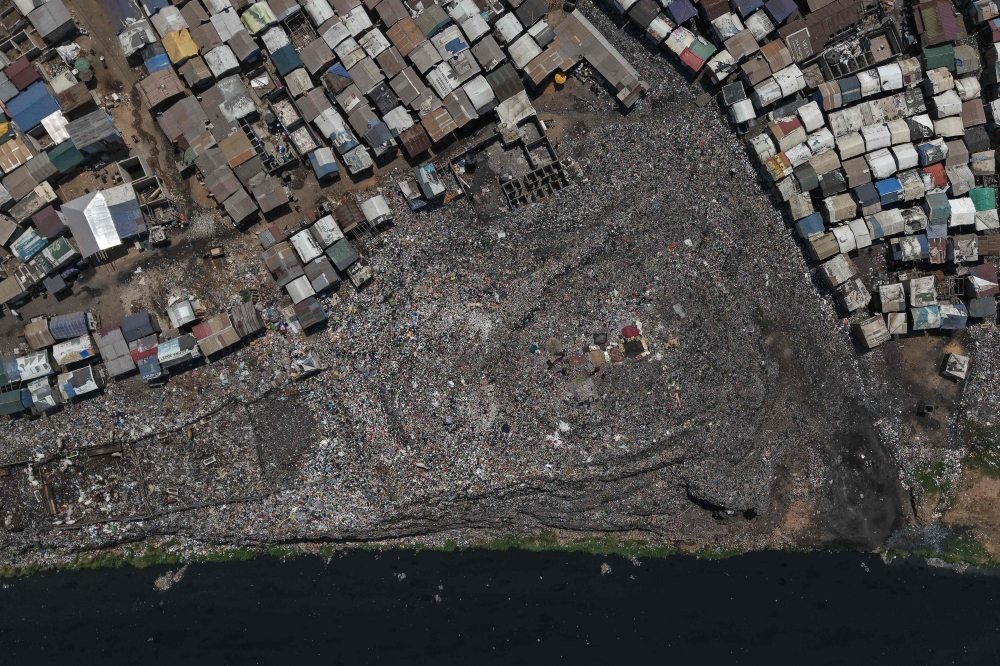
Bleached smog clung to a sprawling waste heap in Ghana's Accra, as workers tore into heaps of decaying rubbish. Black smoke snaked from burning plastic and rubber, mingling with the foul stench of stagnant lagoon water. Agbogbloshie, a district on the Korle Lagoon delta, housed mountains of refuse amassed over decades, straining the wetlands that bordered a slum of about 80,000 residents, many of them migrants and traders.
James Hassan, a 31-year-old Liberian immigrant and scrap dealer, was both a resident and a worker at the landfill. He sifted through heaps of discarded electronics and metal daily, without any protective gear, his hands hardened and scarred from cuts and rashes. He experienced headaches and coughs after long days in the sun, but never sought medical attention, dismissing the symptoms as normal.
Environmental health experts warn that workers are exposed to toxic metals and chemicals through cuts in their skin, inhaling waste smoke, and dust. While no study yet confirms a specific link between diseases and the pollution at Agbogbloshie, epidemiologist Reginald Quansah of the University of Ghana highlighted the cumulative contamination as a cause for concern.
The refuse at Agbogbloshie comes largely from outside Ghana's borders. Accra's vast second-hand clothing market imports from Europe, North America, and Asia, carrying with it a troubling byproduct. Greenpeace Africa's head of investigations, Samuel Quashie-Idun, estimated that 15 million used garments arrive in Ghana each week, with roughly half ending up as "dead waste" – dumped on beaches, fields, or burned.
One study cited by Greenpeace estimated that Ghana imported over 110,000 tonnes of used clothing in 2022. For the country's 35 million people, the volume far exceeded local demand and burdened waste systems, Quashie-Idun said. Greenpeace found that 89% of sampled "dead" garments contained petrochemical fibers such as polyester, which shed microplastics as they decay and release carcinogens hundreds of times above safe levels when burnt.
The metals and electronics pollution mirrored this story. Runoff from Accra flowed into Korle Lagoon next to Agbogbloshie, rendering it one of the city's most polluted waterways. Here, old refrigerators, TVs, and appliances were crudely recycled. Scrap dealer Barima Okuanaju dismantled these items by hand, recovering copper wiring, aluminum panels, and iron parts for sale.
While he extracted every inch of wire and circuit boards, toxic fumes rose around him. Burning computer cables and batteries released lead, mercury, and other toxins; open fires emitted soot and dioxins that communities breathed in.
At a market in Agbogbloshie, stalls lined the landfill, where women and children sold food, tools, and water, amidst the smoke. A 14-year-old girl, Aminatu Fatawu, sold bottled water to the dump workers. The smoke caused her to cough, and she noticed blood in her saliva. Her mother allowed her to work to help cover her school fees.
The workers face lung and neurological health conditions, warned Quansah. Scientists cautioned that contamination from the dump seeps into the lagoon and soil, potentially affecting local diets for years to come. President John Mahama launched a three-month cleanup to remove about one million tonnes of waste from Agbogbloshie, transporting garbage to a landfill about 50 kilometers outside Accra, where it would be compacted and covered under strict environmental safeguards.
Local Government Minister Mahama Ayariga aimed to bring garbage pickers and tricycle hauliers into the formal recycling process, hoping to create up to 20,000 permanent jobs in waste management and the circular economy. However, the scavengers remained uncertain about their future, hoping for "safer" work.
Written by urgent.news from Malay Mail's reporting — not their text. Machine-written — may contain errors; check the original before relying on it.