TM Lewin pivots to casualwear as AI drives dearth of new graduates
Shirtmaker TM Lewin is pivoting towards t-shirts and knitted sweaters as the AI-driven cutback in graduate hiring means fewer young workers need shirts and ties. The retailer, which was established in 1898, has expanded its range of casualwear since returning to British high streets after its collapse into administration at the start of the decade. [...]
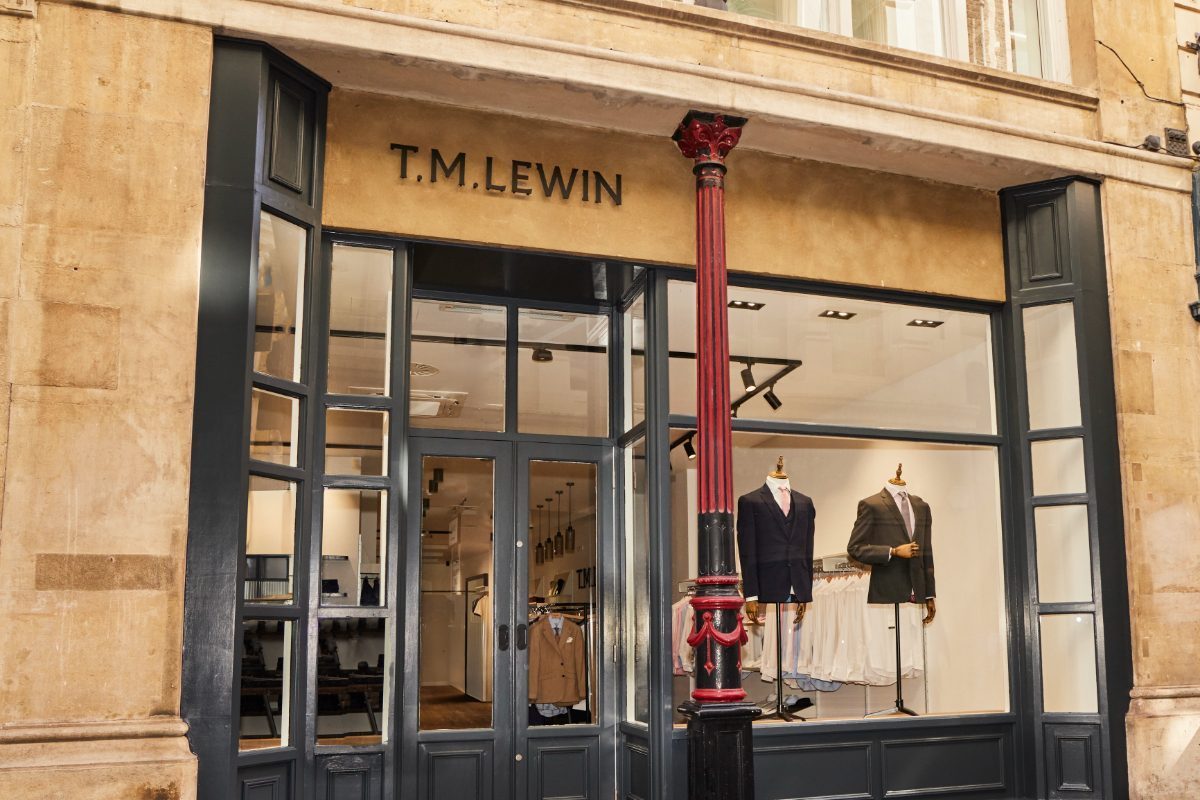
Shirtmaker TM Lewin is shifting its focus to casualwear, including t-shirts and knitted sweaters, as the artificial intelligence-driven decline in graduate hiring reduces the demand for shirts and ties. Established in 1898, the retailer has recently returned to British high streets following its collapse into administration at the beginning of the decade.
According to TM Lewin's managing director, Dan Ferris, the company's expansion away from solely producing formalwear has been influenced by AI, which has diminished the number of young graduates entering the workforce. The shirtmaker, which once operated over 150 shops at its peak in the mid-2010s, called in administrators in June 2020 due to the Covid-19 pandemic's impact on demand for suits and ties.
TM Lewin was bought out of administration in 2020 by Torque Brands, a division of the US-based private equity firm Stonebridge, but collapsed again in March 2022 as its online-only model failed. The retailer has gradually opened new stores in recent months, including locations on Bow Lane and Liverpool Street. However, Ferris stated that the return to in-office work following the pandemic has boosted demand for suits and ties, while the shrinking pool of young graduates has led the company to diversify its offerings.
Ferris explained that most office workers now work from home at least one day a week, meaning they wear a shirt fewer days than before. As a result, TM Lewin's range is now evenly split between suits and casualwear, with recent best-sellers including rugby shirts and fisherman-style knitwear. Ferris confirmed that the company is observing a decline in formalwear demand from graduates as city firms outsource entry-level tasks to AI agents.
While the graduate hiring slowdown is not limited to finance, AI is having a significant impact on employment across various industries. In September, the number of graduate job vacancies in the UK reached a record low, with professional services giants like PwC and KPMG among those cutting jobs. Despite the company's sales being 40% higher year-on-year, Ferris expressed disappointment with the government's lack of support for retailers, particularly regarding business rates.
Written by urgent.news from City AM's reporting — not their text. Machine-written — may contain errors; check the original before relying on it.