This Googlebook is driving me crazy
Right now, Googlebooks make more sense for Google than they do for users. After trying for years to bring Android features to Chromebooks, Google decided to start over with Android as the foundation for a new laptop operating system. The first wave of Googlebooks are high-end laptops (priced $900 and up), with Google pitching them as the ultimate computers for Android enthusiasts. But in their…
Googlebooks are not delivering the seamless experience Google envisions for users. Despite years of effort to integrate Android features into Chromebooks, Google has essentially begun anew with Android serving as the foundation for a new laptop operating system. High-end laptops, priced at $900 and above, have been marketed as the ideal computers for Android enthusiasts, yet they currently present a disjointed mess with malfunctioning websites, underdeveloped AI features, and apps that don't function as intended.
Having a unified operating system and app platform across laptops and mobile devices may simplify matters for Google, but it hasn't translated into a superior user experience compared to Chromebooks.
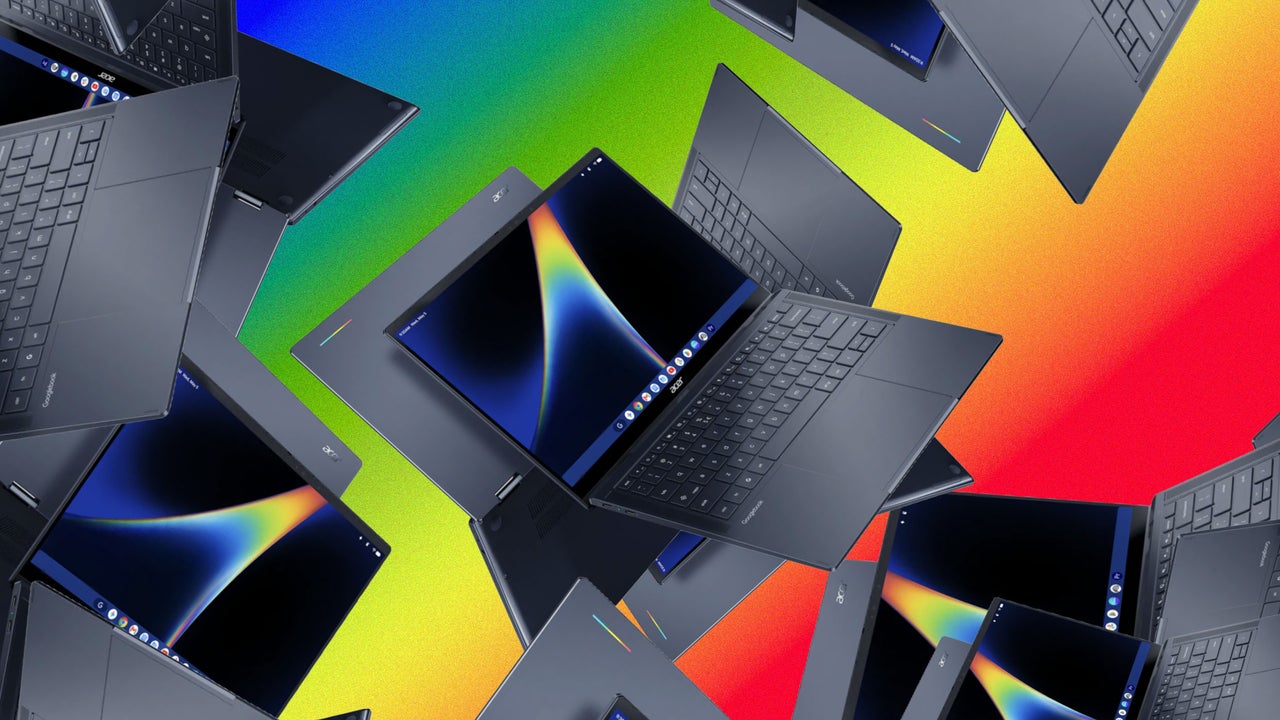
The Acer Googlebook 14, the cheapest Googlebook priced at $900, is the only model with a touchscreen that flips into tablet mode. The hardware is generally well-received, featuring a lightweight 2.51-pound chassis, a high-quality 3K OLED screen, and a smooth trackpad. However, the software side presents more significant issues, as Android is not yet ready to handle real laptop workloads.
While Google is encouraging developers to optimize their Android apps for large screens, keyboards, and trackpads, Google itself hasn't always followed suit. Preloaded apps like Gmail, Google Docs, Drive, Meet, and YouTube are web-based and function more like desktop apps powered by the Chrome browser, with "Running in Chrome" disclaimers and Chrome extensions affecting these apps as well.
Touchscreen users encounter issues such as Gmail cursor hover controls not functioning and document selection being hindered by overlay buttons.
Third-party Android apps often encounter problems as well. Signing into Slack, for example, leads to bouncing to a Chrome tab, which fails to authenticate back inside the Android app, requiring manual entry of a URL and password for each workplace. Even then, Slack's Android app is poorly optimized, lacking the desktop version's persistent sidebar.
Video apps also remain unfinished, with some opening in full-screen mode while others open in floating desktop windows, requiring convoluted steps to access full-screen mode. Picture-in-picture mode, available on mobile, is not supported on Googlebooks. Additionally, the Bookmarklets feature used by the reporter for quick searches and page excerpts does not function on Googlebooks, emphasizing the lack of a fully-fledged Chrome desktop experience.
Google has been pushing developers to optimize their apps for larger screens, but the developers themselves have not always heeded these calls. The preloaded version of Gmail, for instance, is a web-based desktop app rather than an optimized Android app. The same applies to Google Docs, Drive, Meet, and YouTube. While Google aims to improve the ecosystem over time, as evidenced by the eventual availability of apps like Bluesky and the addition of offline document marking in Google Docs, the overall ecosystem remains a work in progress, leaving users with a subpar experience compared to what is expected from a Chrome desktop.
Written by urgent.news from Fast Company's reporting — not their text. Machine-written — may contain errors; check the original before relying on it.