The weird and brilliant innovations that led to electroconvulsive therapy—and the mystery of why it works
When I began considering electroconvulsive therapy, better known as electroshock, I assumed the “shock” part referred to the electrical zap you received. An electrode or two on your head. Some doctor pressing a button. A machine buzzed audibly. Zap, zap . You were shocked. Maybe changed forever. Maybe for good, maybe for ill. Zap, zap . Like a ray gun in a dystopian thriller. And no thriller was…
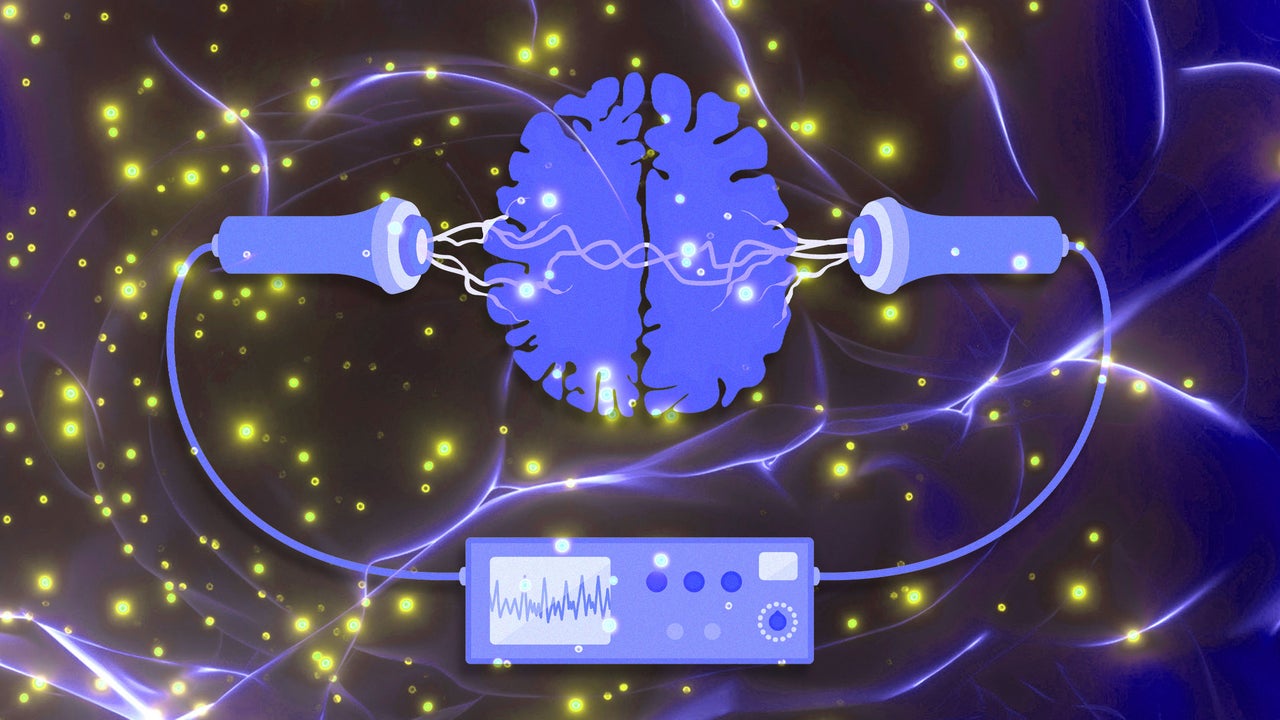
The origins of electroconvulsive therapy (ECT), also known as electroshock, can be traced back to various physical treatments employed by Dr. Constance Pascal in her French clinic around 1926. She referred to these methods as "shock" (choc) and believed that mental illnesses stemmed from an allergic reaction that required resetting the brain and nervous system.
Pascal experimented with inducing fevers, among other techniques, to achieve this reset. Meanwhile, in 1927, Dr. Manfred Sakel in Berlin developed insulin coma therapy, which induced seizures in patients during a hypoglycemic coma, showing promising results for mood disorders. However, the outcomes varied from patient to patient.
Hungarian neuropathologist Dr. Ladislas Meduna took an interest in the potential of seizures for treatment and observed differences in brain tissue between epileptics and those suffering from mood disorders. This led him to introduce a new shock therapy using camphor and later, Metrazol (now known as pentylenetetrazol), as safer alternatives to insulin comas.
Italian neurologist Dr. Ugo Cerletti and his colleague Lucio Bini further advanced ECT with their invention of the electroconvulsive treatment in 1938. They used electrodes on a patient's temples and delivered electrical shocks, ultimately recovering the first ECT patient, "Enrico X," after months of treatments. Despite the success, Cerletti expressed unease about the extreme violence of the convulsions and felt as though he had betrayed his patients. In 1939, they coined the term "zapare" to describe the action of administering ECT.
Written by urgent.news from Fast Company's reporting — not their text. Machine-written — may contain errors; check the original before relying on it.