The safety reason TSA might ask you to turn on your phone
While traveling through the airport, TSA may ask you to power up your phone. Border agents can conduct a more thorough search as well.
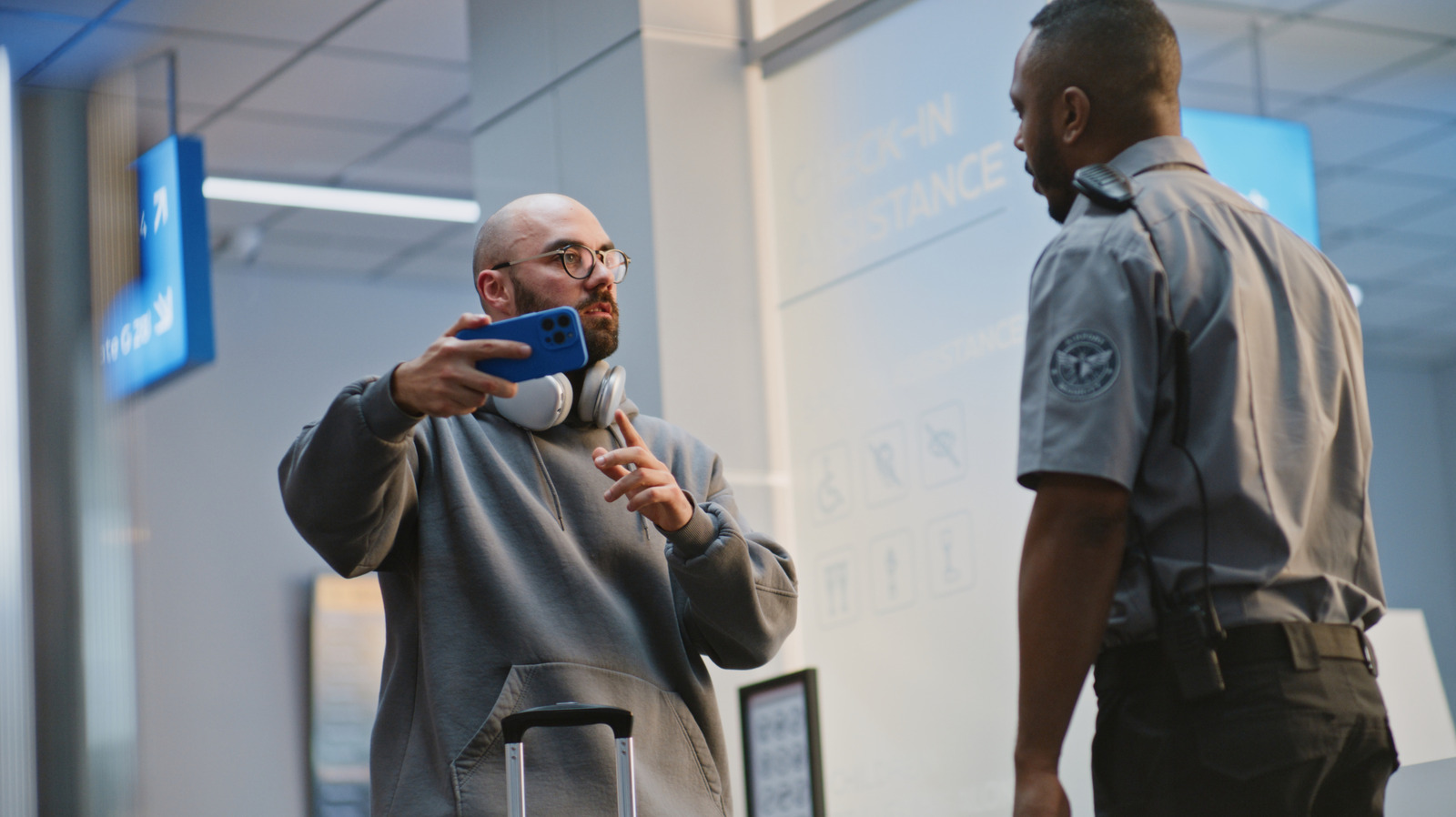
The Transportation Security Administration (TSA) has a longstanding rule that requires travelers entering the United States from overseas to turn on their electronic devices, including smartphones, before boarding a flight. Although this requirement has been in place since 2014, many people may not be aware of it. The primary reason for this rule is safety, as phones can potentially be used as detonators, jamming devices, or to store bomb components.
If the device does not power on, the TSA agent may subject the traveler to additional screening. This is to ensure that the device is functioning properly and has not been tampered with for malicious purposes.
Larger electronic devices, such as laptops and tablets, are already required to be placed in a separate bin for scanning. While it is unusual for an agent to ask a traveler to power on their phone, it is a possibility. If the phone turns on, the agent can confirm that the device has not been altered and can allow the traveler to proceed.
However, if an officer were to engage in a more extensive search without reasonable suspicion, it may raise legal concerns. According to the Fourth Circuit, border agents can conduct a manual search of a phone if they have reasonable suspicion. This search is considered routine and a reasonable action under the Fourth Amendment, which protects against unreasonable searches and seizures without a warrant.
For international travelers, US Customs and Border Protection (CBP) can also request to examine a traveler's phone, as this falls under the border search exception. CBP agents can detain the phone for a brief, reasonable time to conduct a routine inspection. This typically involves looking at text messages and app activity. If they have reasonable suspicion, they may perform a more thorough inspection, which includes downloading the contents of the phone onto another device.
There have even been proposals to allow CBP to access a traveler's social media history for up to five years, but this remains a proposal and is not yet law.
To ensure a smooth travel experience, it is recommended that travelers power on their smartphones and place them in the security bin when going through TSA screening. This demonstrates that the device is functioning properly and helps to prevent any potential issues. Most travelers will not encounter this requirement, especially if their phone's battery is fully charged.
However, if asked, TSA agents are well within their rights to require travelers to power on their phones. For international travelers, there may be additional complexities with CBP, but TSA agents are primarily concerned with confirming that the phone is a functioning mobile device.
Written by urgent.news from Engadget's reporting — not their text. Machine-written — may contain errors; check the original before relying on it.