The path ahead for the permitting bill
The Senate's bipartisan permitting bill advanced in a lopsided vote on Monday, but key hurdles lie ahead. Why it matters: The legislation could have far-reaching consequences for how energy projects get built across the U.S. A few takeaways from Monday's vote: The big margin was politically lopsided. The 73-25 split to advance the bill "was as good or a little bit better" than what co-author Sen.…
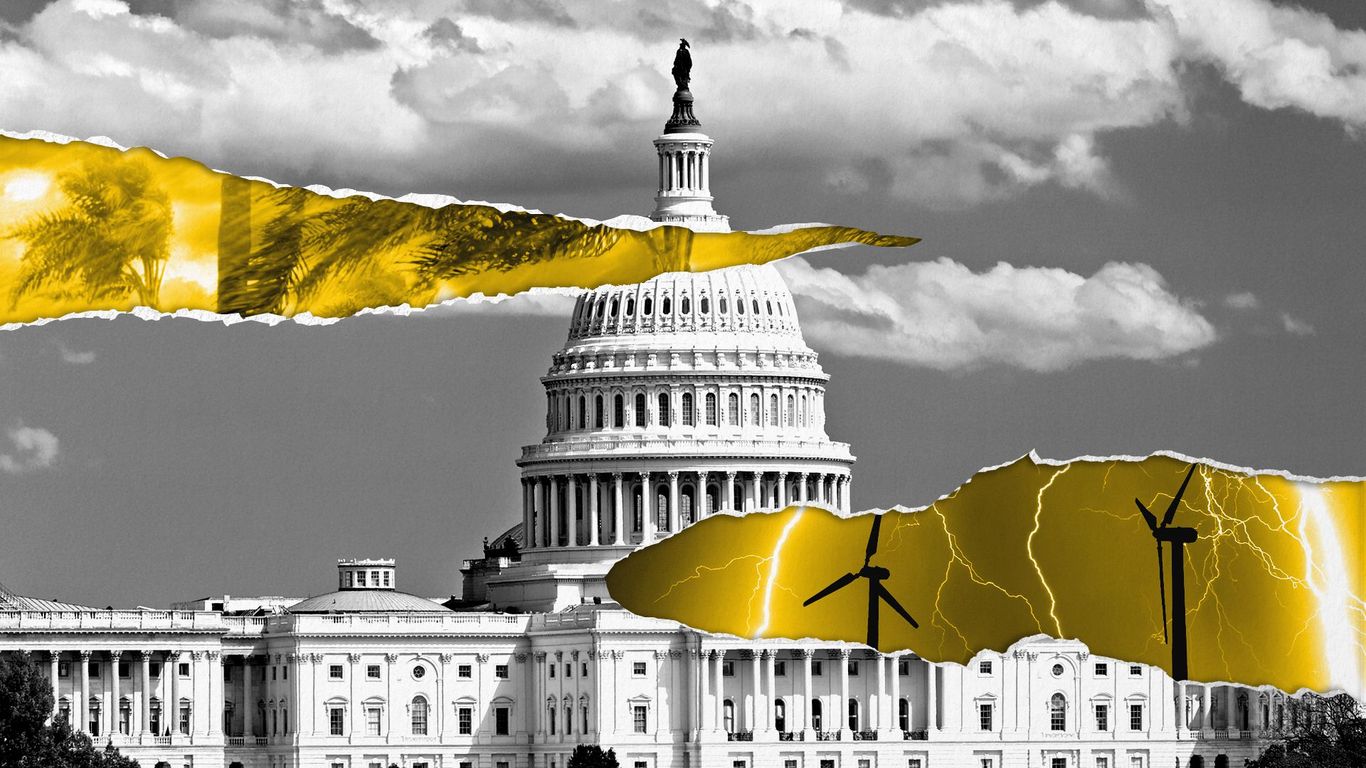
The bipartisan permitting bill advanced in the Senate on Monday with a lopsided vote of 73-25, indicating significant political support for the legislation. However, key hurdles remain before it can be fully debated and potentially passed into law. The bill, authored by Sen. Shelley Moore Capito (R-W.Va.), has strong backing from the Republican side of the Senate, with only one Senator, Mike Rounds (S.D.), voting against it.
Twenty-one Democrats and Maine's independent Senator Angus King voted in favor, while 23 Democrats and independent Senator Bernie Sanders opposed advancing the bill. Senate Minority Leader Chuck Schumer (D-N.Y.) expressed reservations about the bill, stating he has "outstanding concerns" that he plans to address through amendments.
Some Democrats, such as Catherine Cortez Masto (D-Nev.) and Lisa Murkowski (R-Alaska), are also hesitant, citing tribal concerns and climate policy changes, respectively. The vote revealed a split among Senate Democrats on climate change, with some, like Brian Schatz (D-Hawaii), Whitehouse, and Heinrich, supporting the measure, while others, including Jeff Merkley (D-Ore.) and Ed Markey (D-Mass.), along with Bernie Sanders, voted against it.
Whitehouse pledged a robust amendment process, but the Senate faces time constraints due to the lame duck calendar, and the House will need to act on any changes. The bill's success may also depend on President Trump's actions, as he expressed mixed views about wind turbines during the vote, emphasizing the need for affordable energy on the grid.
The House Minority Leader, Hakeem Jeffries (D-N.Y.), has criticized the bill and called for revisions to address his concerns, but the fate of the bill in the House remains uncertain.
Written by urgent.news from Axios's reporting — not their text. Machine-written — may contain errors; check the original before relying on it.