Tharparkar’s drought cycle
EDITORIAL: The Sindh chief minister’s declaration of Tharparkar as a drought-affected district following the destruction of an estimated 85 to 90 percent of cultivated crops in the area, once again highlights the precarious existence of communities in one of the province’s most climate-vulnerable regions. While the relief measures that have been announced are necessary, they also underscore a…
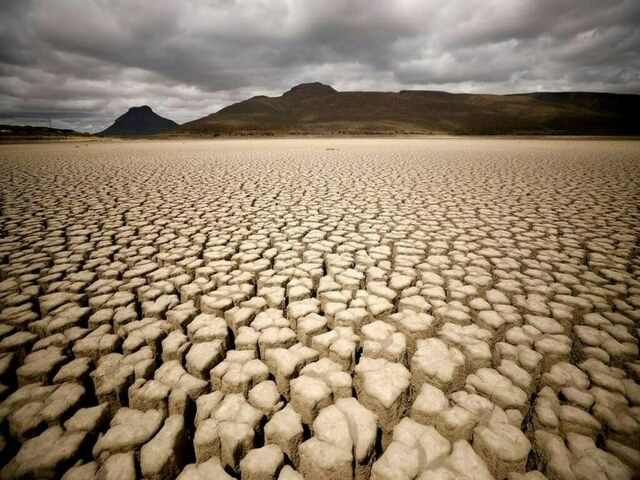
Tharparkar, a climate-vulnerable region in Sindh, has been declared a drought-affected district due to the destruction of approximately 85 to 90 percent of cultivated crops, highlighting the precarious existence of its communities. Despite recurring droughts, the authorities continue to resort to episodic relief rather than implementing sustainable solutions.
The interval between severe droughts has shortened from seven to eight years to two to three years due to global warming and shifting monsoon patterns. The challenge now lies in unpredictability, with rains failing to arrive during crucial sowing periods or ceasing just as crops mature. Basic infrastructure, such as functional reverse osmosis plants, remains lacking, and projects like the Naukot-Mithi pipeline have taken too long to advance.
Tharparkar's communities should not be expected to accept climate vulnerability as their fate while administrations fail to put in place durable solutions. Despite the Thar coal project generating significant royalties, residents continue to struggle with poverty and lack access to basic resources like reliable drinking water. A comprehensive, adequately funded drought-resilience strategy is needed, with clear timelines, functioning infrastructure, accountability, and a transparent mechanism to channel a portion of the coal wealth into local development.
Written by urgent.news from Business Recorder's reporting — not their text. Machine-written — may contain errors; check the original before relying on it.