Stop paying extra for a PCIe 5.0 SSD when your games load just as fast on Gen4
Those benchmark numbers aren't worth bragging about.
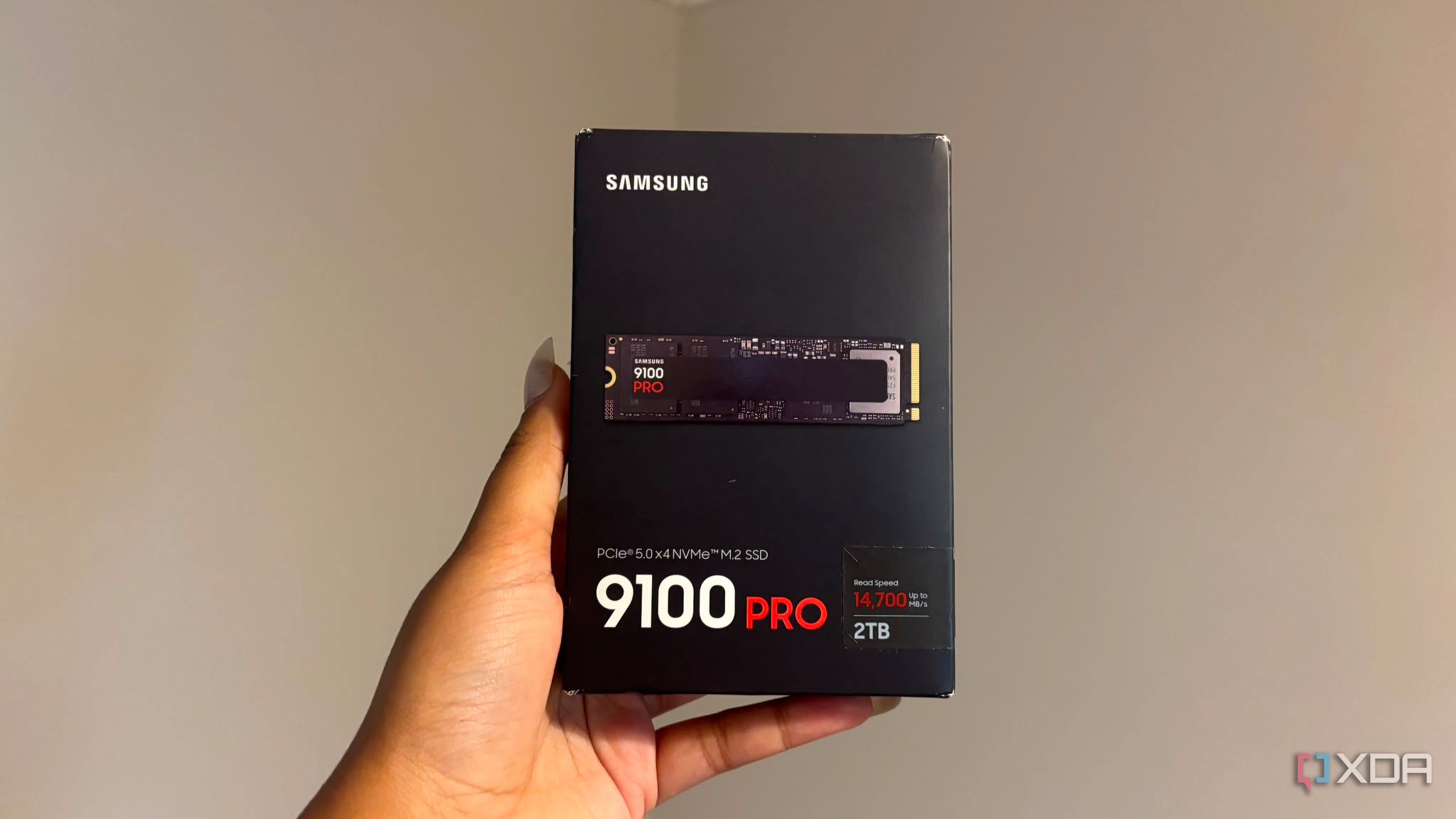
Storage prices have become excessively high due to AI data center demand and NAND manufacturers focusing on enterprise SSDs. Building a new PC or looking for more storage does not necessitate paying for a PCIe 5.0 SSD just because of the impressive advertised speeds. The writer regrets purchasing a PCIe 5.0 Crucial T710 SSD in January, despite the significantly higher SSD costs since then.
Upgrading from a Corsair MP600 did not result in faster game loading times, and the writer believes the PC's speed would remain the same with the older drive. The advertised speed on the box, such as the Crucial T710's 14,500MB/s, does not necessarily translate into faster game loading times. The writer explains that games typically involve smaller, random reads rather than sequential reads, which are the speeds advertised.
Moreover, the CPU also plays a role in decompressing game assets and processing data, making PCIe 5.0 SSDs not the sole deciding factor in loading times. PCIe 5.0 SSDs tend to run hotter than Gen4 counterparts, which can lead to thermal throttling and slower performance. Unless a gamer has a high-speed fiber connection for quick game downloads, they would benefit more from increased storage capacity rather than a PCIe 5.0 SSD.
Written by urgent.news from XDA Developers's reporting — not their text. Machine-written — may contain errors; check the original before relying on it.