Solar boom leaves low-income households behind amid Sindh’s energy, climate challenges: experts
Pakistan’s rapidly expanding solar market was transforming the country’s energy landscape, but millions of low-income households risk being left behind as the high upfront cost of installations and lack of maintenance support limit access to affordable electricity, speakers warned at the Sindh Energy & Climate Conference (SECC26). The disparity was highlighted during a discussion on solar energy…
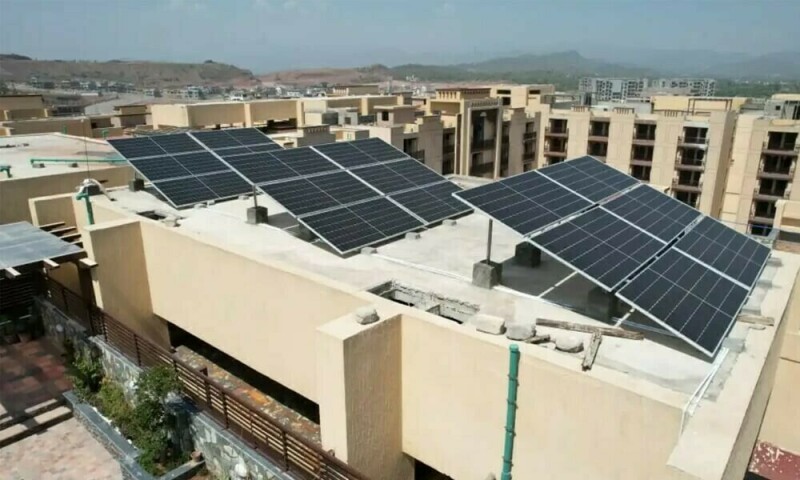
At the Sindh Energy & Climate Conference (SECC26) in Karachi, experts warned that while Pakistan's solar market is booming, low-income households risk being left behind due to high costs and a lack of maintenance support. The disparity was highlighted during discussions on solar energy access, where low-income households experienced frequent power outages despite interest in switching to solar power.
Government representatives, labor groups, and community activists examined whether renewable energy benefits were reaching those most in need or primarily serving those who could afford the initial investment. The scale of solar expansion is significant, with consumers installing nearly 38 gigawatts of solar capacity. However, only 33% of distributed solar systems remained operational after ten years due to inadequate maintenance.
Many households struggle with high electricity bills and unaffordable installation costs. A garment factory worker, Muneer Ahmed, explained that his monthly salary made it difficult for him to afford a solar system for his home. Experts proposed a provincial solarisation program linked to the Benazir Income Support Programme, with mini-grids to extend electricity access to rural communities.
However, modernizing the electricity grid and ensuring surplus power distribution remain challenges. Concerns about substandard equipment and electronic waste accumulation were also raised. The national grid would remain essential as solar adoption increases, particularly with growing demand for air conditioners, appliances, and electric vehicles.
Participants also discussed the shift towards electric mobility, needing expanded charging networks, domestic manufacturing, and battery storage solutions. The climate crisis is already affecting Sindh, with extreme weather impacting workplaces, agriculture, and communities. Labour representatives and community activists called for heat-protection policies, workplace risk assessments, cooling facilities, and mandatory rest breaks for workers exposed to extreme temperatures.
Water security is another critical concern, with discussions focusing on the relationship between water and energy.
Written by urgent.news from Business Recorder's reporting — not their text. Machine-written — may contain errors; check the original before relying on it.