Shifting Tides: Vietnam’s Meteoric Rise Tests Thailand’s Tourism Supremacy
Thailand’s lead over Vietnam in international tourist arrivals has narrowed sharply, from nearly 22 million visitors in 2019 to 5.9 million during the first ten months of 2026.
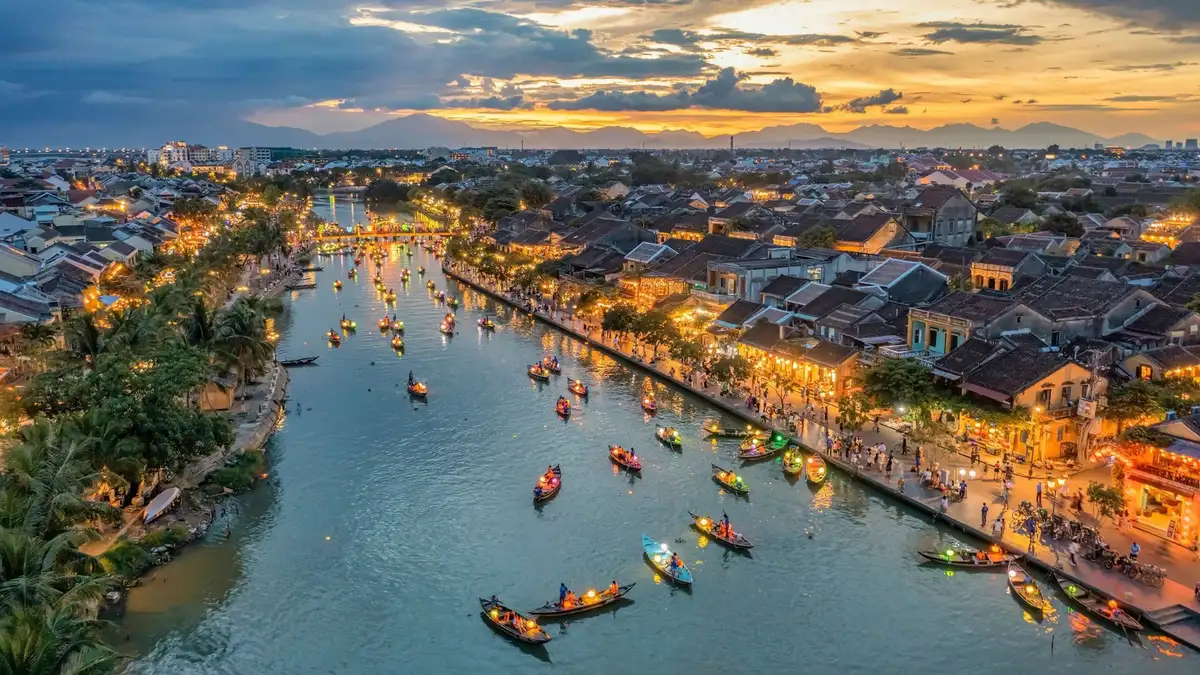
Thailand's dominance over Vietnam in international tourist arrivals has significantly eroded, from nearly 22 million visitors in 2019 to just 5.9 million during the first ten months of 2026. Vietnam's expansion in direct flights, along with strong growth from Russian, Indian, and regional markets, has fueled this shift. Thailand, on the other hand, confronts weaker arrivals and connectivity issues.
The Thai tourism sector identifies declining competitiveness, border delays, inconsistent entry procedures, and shifting cost-value perceptions as critical concerns. Proposed solutions involve expanding direct air routes, improving immigration and border procedures, and creating higher-value experiences with robust digital services.
Thailand's long-standing position as Southeast Asia's top tourism destination is undergoing a significant challenge. New macroeconomic data and trade analyses indicate that the once-large visitor gap between Thailand and Vietnam is rapidly closing, driven by changes in regional travel patterns, aggressive aviation developments, and evolving cost-value perceptions.
Key points The visitor gap between Thailand and Vietnam has shrunk to historic lows, with arrivals dropping from 22 million in 2019 to just 5.9 million during the first ten months of 2026. Vietnam has gained ground in strategic markets, with a 160.6% increase in Russian tourists and significant captures from Indian and regional travelers.
Thailand's tourism operators now report a significant loss of competitiveness, with 59.1% of them believing the country is losing its edge to regional rivals. The University of the Thai Chamber of Commerce (UTCC) has downwardly revised its 2026 forecast to around 31.5 million arrivals, marking a 4.5% decline from the previous year.
Industry experts attribute Vietnam's growth to multiple factors, notably its aggressive expansion of direct flight connections. This shift is particularly evident in the Russian market, where Vietnam's direct flight strategy led to a 160.6% surge in visitors compared to Thailand's flat year-on-year increase. Thailand's tourism sector also faces challenges such as inconsistent entry rules, border checkpoint congestion, and safety concerns.
To maintain its position as Southeast Asia's premier tourism destination, Thailand must address these structural issues by modernizing aviation logistics, elevating service offerings, and streamlining institutional processes at entry points.
Written by urgent.news from Thailand Business News's reporting — not their text. Machine-written — may contain errors; check the original before relying on it.