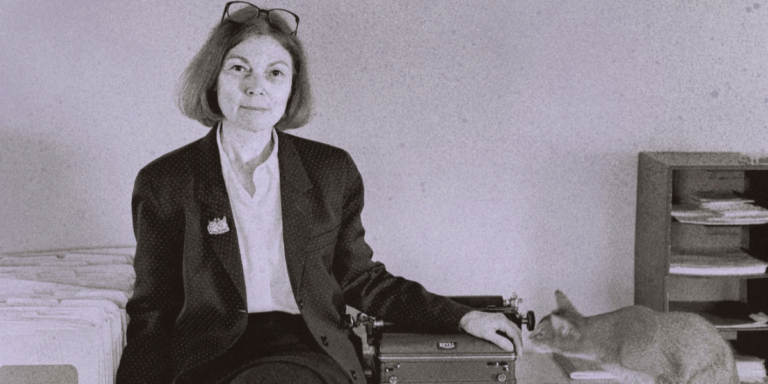
She forged papers for the wartime resistance, then traveled the world documenting the impact of industrial change. Now, Dutch photographer Violette Cornelius is finally getting her dues
Thousands of negatives found in suitcases after her death reveal the forgotten work of a pioneering Dutch woman photographer
During World War Two, Dutch photographer Violette Cornelius defied expectations by forging papers for the wartime resistance while simultaneously photographing the resistance movements. Cornelius, a member of the artists' resistance (Kunstenaarsverzet), was among the few who refused to register with the Nazi-imposed Kultuurkamer and instead engaged in clandestine activities.
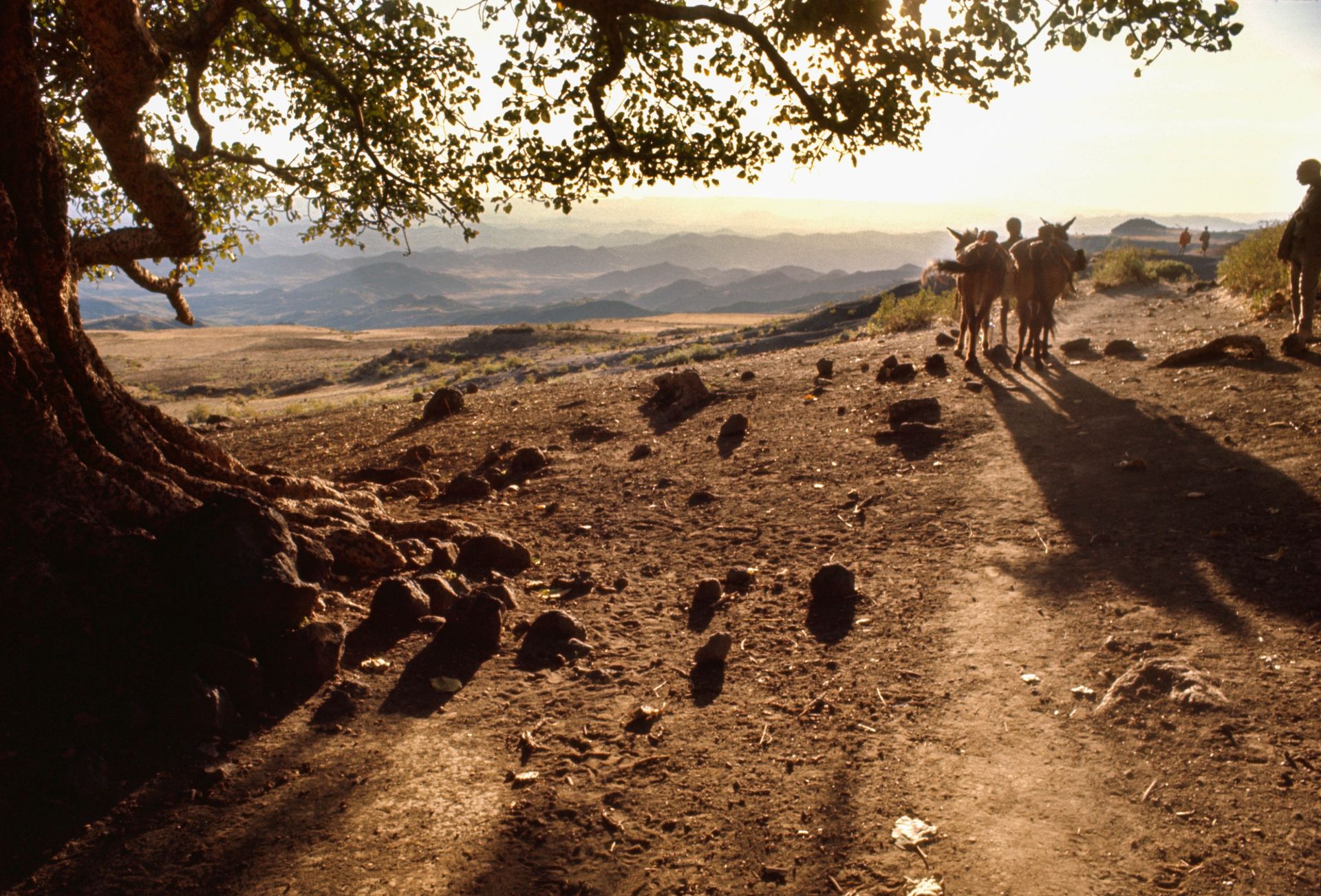
After the war, she emerged as one of the first female professional photographers in the Netherlands, documenting a range of subjects including architecture, refugees, and industry. Cornelius embarked on a global photographic journey, traveling to India, Peru, Ethiopia and other countries to capture life during periods of rapid industrial change.
Despite her significant contributions, her work remained largely unseen for decades, and she was largely overlooked by her male contemporaries. Now, an exhibition titled "Violette Cornelius Rediscovered" at the Nederlands Fotomuseum in Rotterdam seeks to rectify this omission, showcasing a hidden trove of her photographs and other materials that had remained unnoticed for many years.
Curator Loes van Harrevelt expressed astonishment at the quality and scale of Cornelius' work, which now takes its rightful place in the annals of Dutch photography.
Written by urgent.news from Digital Camera World's reporting — not their text. Machine-written — may contain errors; check the original before relying on it.