Sakana AI may go public in 2027
Press reports say that the company is considering the Tokyo Stock Exchange or Nasdaq or a dual listing on both.
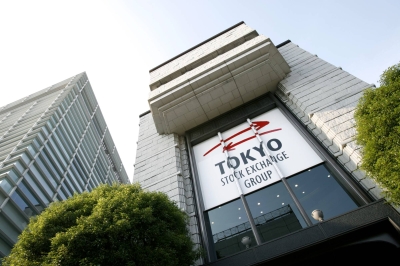
Sakana AI may go public in 2027, media reports suggest, as the company weighs an initial public offering (IPO) on the Tokyo Stock Exchange, Nasdaq or both. According to Nikkei, the startup's market capitalization could surpass that of Mercari at ¥680 billion ($4.3 billion), positioning it among Japan's most valuable startup listings.
Goldman Sachs has been enlisted as an adviser for the potential IPO. However, in a recent X post, Sakana AI stated it currently has no near-term plans to go public, instead focusing on building a generational AI company to serve as Japan's national AI champion.
The news of a potential Sakana AI IPO arrives amid various challenges faced by AI companies worldwide, such as fluctuating valuations, opposition to data centers, and uncertainties surrounding the technology's practicality. AI shares took a significant hit following the U.S. midterm elections, with concerns that a Democratic-led House and Senate would result in stricter AI regulations and hinder data center construction. The Nasdaq has declined approximately 9% from its peak, partly due to AI's downturn.
Sakana AI raised ¥32 billion ($200 million) in Series B funding from global investors, including Mitsubishi UFJ Financial Group, Google, and Citi. Nvidia also participated in an earlier Series A funding round. Earlier this year, the company unveiled Sakana Namazu, its first large language model (LLM), built upon Kimi 2.6, an open-weight model created by China's Moonshot AI.
In response to national security concerns over excessive dependence on Chinese and U.S. models, Japan has prioritized developing its own LLMs and has reportedly allocated $6 billion to fund Noetra, a consortium comprising Sakana AI, SoftBank, and Sony.
In October, Sakana AI disclosed its efforts to train an LLM from the ground up, with the planned Sakana Sawara series encompassing both a large and a small model.
Written by urgent.news from Japan Times's reporting — not their text. Machine-written — may contain errors; check the original before relying on it.